How to Prepare for a Barber Visit: Men’s Guide
Preparing for a barber visit means arriving clean, informed, and ready to communicate your desired look so you walk out with a haircut that fits your style and your life. Grooming professionals define a successful barber appointment as one where the client presents clean hair, brings clear style references, and engages actively in the consultation. At Phillythebarber, every appointment starts with a personalized consultation because preparation on your end directly shapes the quality of the result. The steps below cover everything from washing your hair to managing expectations when you switch to a new barber.
How should you prepare your hair before a barber visit?
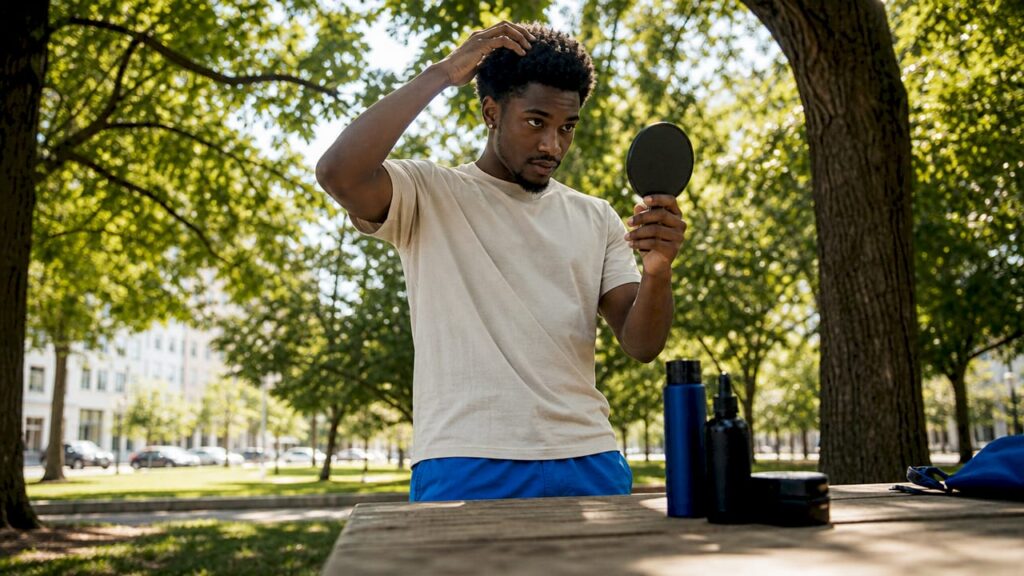
Clean hair is the single most important thing you can bring to your appointment. A barber reads your natural hair pattern, texture, and growth direction to plan every cut. Heavy products like pomade, gel, and wax mask those patterns and make precise work harder.
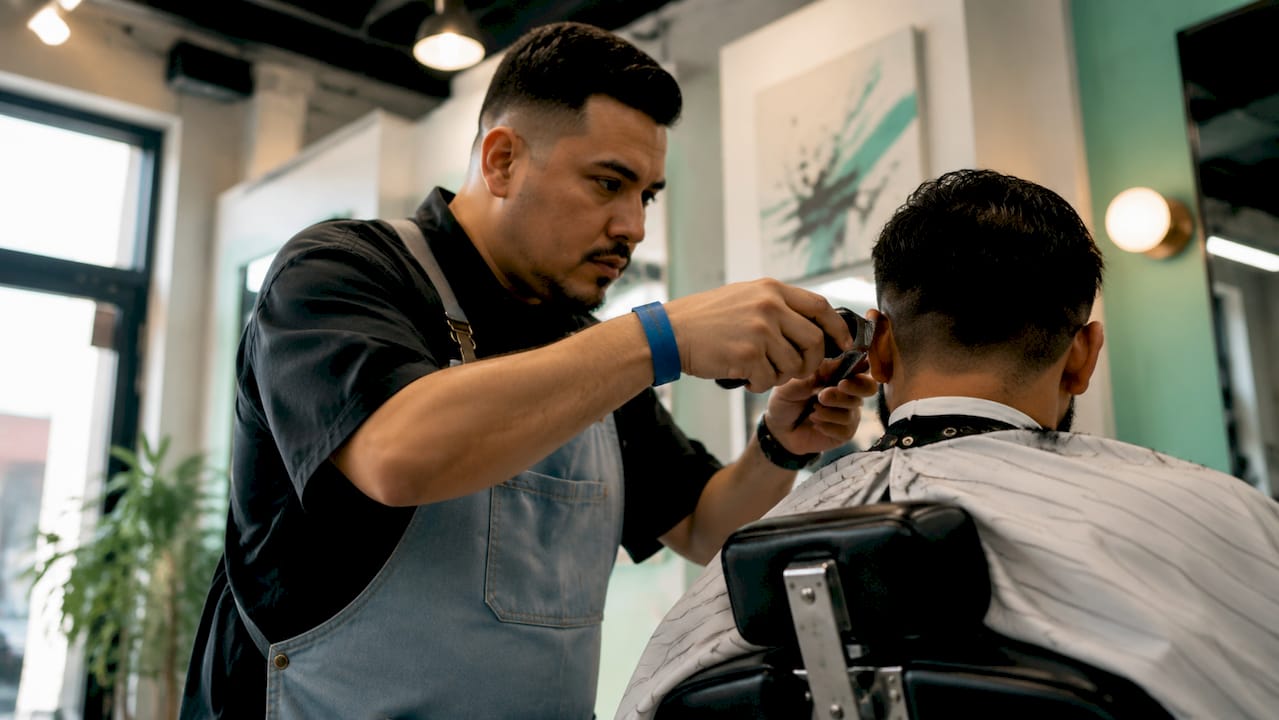
Standard barber preparation includes washing your hair the day before, bringing 2–3 reference photos, and avoiding heavy styling products before you arrive. That combination gives your barber a clean canvas and a clear target. Washing the night before, rather than the morning of, also prevents hair from being too slippery or limp when you sit in the chair.
Here is what to do before your appointment:
- Wash your hair with a gentle shampoo the evening before your visit.
- Skip conditioner on the day of the cut if your hair tends to get very soft or slippery.
- Avoid applying any styling products such as pomade, wax, clay, or oil on the day of the appointment.
- If you are getting a beard trim, wash your beard thoroughly and pat it dry. A clean beard lets the barber see the true line and density.
- Arrive with dry or slightly damp hair unless your barber specifically requests otherwise.
Pro Tip: Wash your hair the night before, not the morning of your appointment. Hair washed hours earlier sits more naturally and gives the barber a better read on your true texture and growth pattern.
What grooming etiquette should men follow at their barber appointment?
Grooming etiquette is the foundation of a professional barber experience. It respects the barber’s craft and makes the session more comfortable for everyone in the shop.
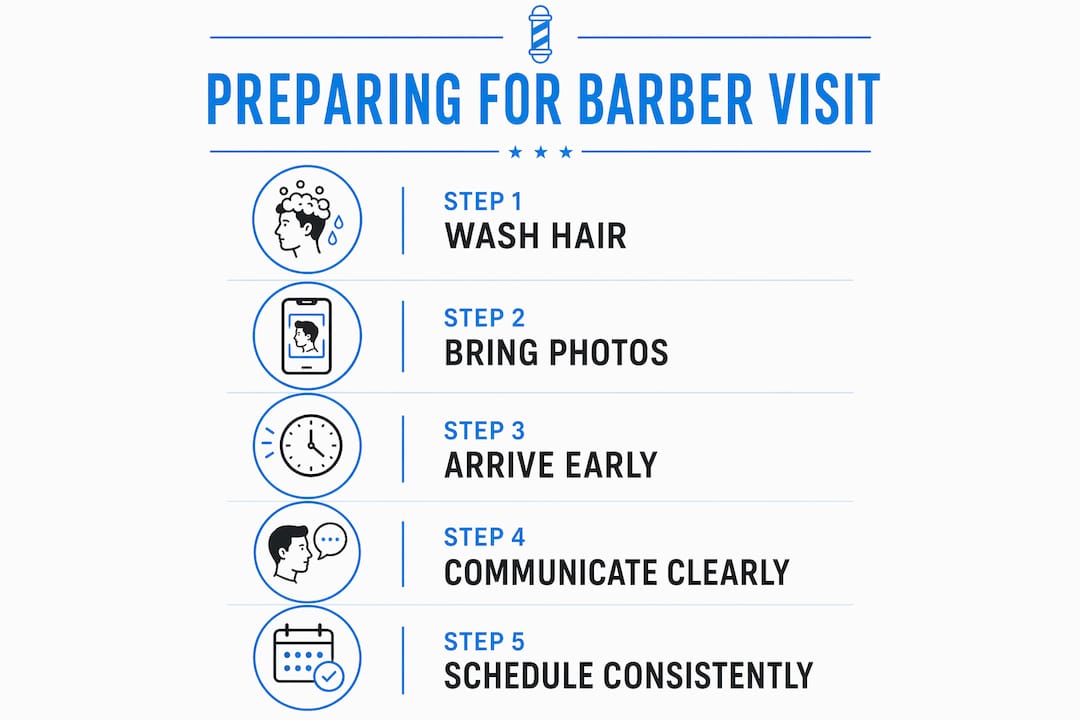
Arriving exactly 5 minutes early balances respect for the schedule without disrupting the barber’s workflow. Showing up 15 minutes early can throw off the entire booking flow. Arriving late forces the barber to rush, and a rushed cut is never the best cut.
Personal hygiene matters more than most men realize. Good hygiene is non-negotiable; showing up directly from the gym or with strong body odor affects the barber’s comfort and ability to work with focus. Shower, apply deodorant, and wear clean clothes before every appointment.
Follow these etiquette basics every time:
- Arrive 5 minutes before your scheduled time, not earlier.
- Remove your hat, scarf, and coat as soon as you sit down.
- Put your phone on silent and avoid taking calls during the cut.
- Listen during the consultation before jumping to conclusions about the result.
- If the shop is running behind, stay calm and communicate politely. A quick “no rush, take your time” goes a long way.
Pro Tip: If your barber is running late, send a brief message through the booking system rather than walking in and disrupting the flow. Phillythebarber’s online booking makes it easy to manage appointment timing without awkward in-person conversations.
How do you communicate your hairstyle preferences effectively?
Clear communication is what separates a good haircut from a great one. Barbers are skilled professionals, but they cannot read minds. Your job is to give them enough information to work with.
Clients who actively participate in consultations by specifying preferences and daily routines consistently get better and more personalized haircuts. Active participation means more than just saying “shorter on the sides.” It means describing your lifestyle, your styling habits, and how much time you spend on your hair each morning.
Follow these steps to communicate your style goals clearly:
- Bring 2–3 reference photos. Choose images that show different angles of the same style. Make sure the hair type in the photos is close to yours. A photo of a bald fade on straight hair does not translate directly to curly or coarse hair.
- Describe your maintenance level honestly. Tell your barber whether you use a blow dryer, how much time you spend styling, and which products you use. A personalized service depends on this information.
- Use measurements, not vague words. Say “half an inch off the top” rather than “a little shorter.” Ask the barber to confirm the length before they start cutting.
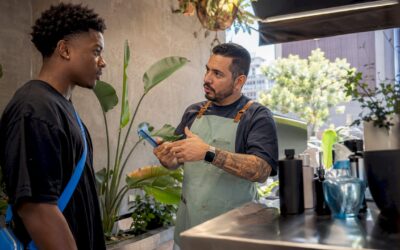
- Ask for recommendations. A skilled barber knows which styles work with your face shape, hair density, and growth pattern. Initial consultations typically run 30 seconds to 5 minutes, and that time is your opportunity to ask questions.
- Confirm the plan before scissors touch your hair. Repeat back what you heard to make sure you and the barber are aligned. This one step prevents most miscommunication.
A master barber will guide you through this process naturally. But the more you bring to the table, the better the outcome.
What are the best practices for scheduling and managing expectations?
Timing your appointments well is as important as the cut itself. Poor scheduling leads to rushed visits, disappointing results, and unnecessary stress.
Book your haircut 2–3 days before a major event, not the day of. A fresh cut on the morning of a wedding or job interview can look stiff and unnatural. Giving it two days lets the style settle and look like it belongs on you.
For ongoing maintenance, most haircuts stay sharp for 2–4 weeks, while beard trims typically need attention every 1–2 weeks to maintain clean lines. Building a regular schedule around these windows keeps your style consistent and your visits shorter because there is less correction work to do.
“Choosing a barber is a long-term relationship. Prioritizing trust and understanding leads to better results than just convenience or price.” — How to Choose the Right Barber
Key scheduling practices to follow:
- Book appointments 2–3 days before important events, never the day of.
- Schedule regular cuts every 3–4 weeks to maintain your style without major resets.
- Plan beard trims every 1–2 weeks if you keep a styled beard.
- When you switch to a new barber, expect 1–2 visits before the barber fully understands your hair’s growth pattern and you build mutual trust.
- If you need to cancel, do it as early as possible. Last-minute cancellations affect the barber’s entire day.
Switching barbers is a normal part of grooming life. Give any new barber at least two appointments before judging the relationship. The first visit is about learning. The second is where consistency starts to show.
Key Takeaways
Preparing for a barber visit requires clean hair, clear communication, proper timing, and consistent scheduling to get a haircut that fits your style and stays sharp.
| Point | Details |
|---|---|
| Wash hair the night before | Clean, product-free hair lets the barber read your natural texture and cut with precision. |
| Arrive 5 minutes early | Punctuality respects the barber’s schedule and gives you time to settle before the consultation. |
| Bring 2–3 reference photos | Photos with multiple angles and a matching hair type reduce miscommunication significantly. |
| Book 2–3 days before events | A fresh cut needs time to settle and look natural before any important occasion. |
| Allow 1–2 visits with a new barber | Building rapport takes time; consistency and quality improve after the first appointment. |
What I’ve learned after years behind the chair
Most clients who leave unhappy made the same mistake: they said nothing. They sat down, nodded along, and hoped the barber would somehow know exactly what they wanted. That is not how great haircuts happen.
The men who consistently walk out looking sharp are the ones who come prepared. They show up clean, bring a photo or two, and talk to me like a person. They tell me they spend five minutes on their hair in the morning, or that they hate using product, or that their last cut was too short on the sides. That information changes everything.
I have also seen clients switch barbers after one visit because the result was not perfect. That is almost always too soon. A new barber needs to learn your hair. Your hair has its own growth direction, density, and quirks. Give any skilled barber two visits before you make a judgment. The relationship you build with your barber is one of the most underrated investments in your personal style.
Preparation is not complicated. It is just showing up ready to work together. When you do that, the result speaks for itself.
— Stephen
Phillythebarber: where preparation meets expert craft
At Phillythebarber, every client gets a personalized consultation before a single cut is made. Philly is a certified Master Barber with over 20 years of experience, and the shop is built around one principle: your hair type, your style goals, and your daily routine all matter.
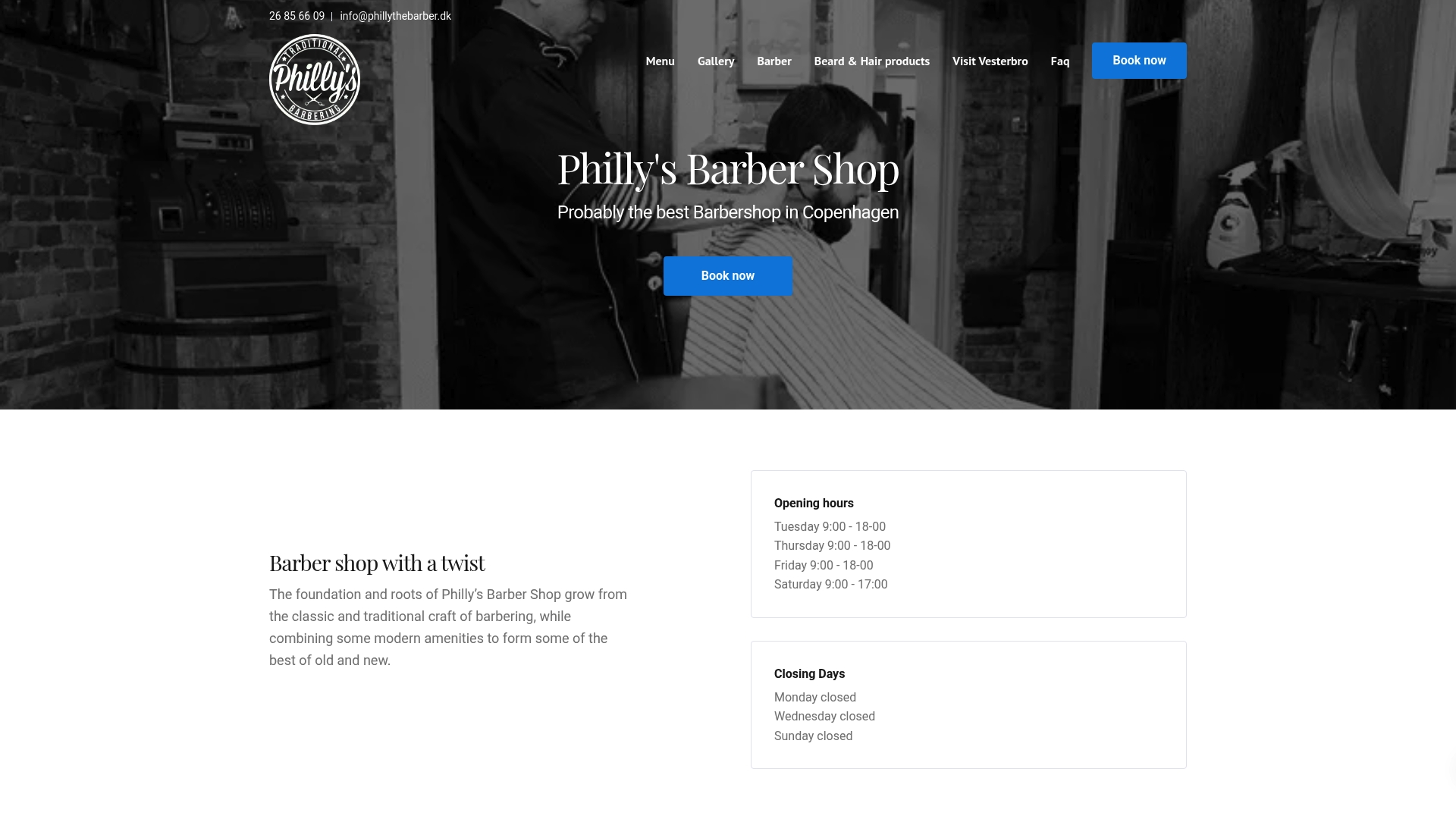
Whether you prefer the flexibility of walk-in barbershop services or the convenience of booking ahead online, Phillythebarber makes it easy to show up prepared and leave looking sharp. Services include haircuts, beard trims, straight razor shaves, and hot towel treatments, all tailored to your specific needs. Copenhagen men who want a premium grooming experience without the guesswork will find exactly that at Philly’s Barber Shop.
FAQ
How should I prepare my hair before a barber appointment?
Wash your hair the evening before your visit and avoid applying any styling products on the day of the cut. Arriving with clean, dry, product-free hair gives your barber the clearest view of your natural texture and growth pattern.
What should I bring to my barber visit?
Bring 2–3 reference photos showing different angles of the style you want, and make sure the hair type in the photos is similar to yours. Clear visual references reduce miscommunication and help your barber deliver exactly what you have in mind.
How often should I get a haircut or beard trim?
Most haircuts stay sharp for 2–4 weeks, while beard trims typically need attention every 1–2 weeks to maintain clean lines. Booking on a regular schedule keeps your style consistent and your visits efficient.
What should I do when switching to a new barber?
Allow at least 1–2 appointments for a new barber to learn your hair’s growth pattern and for you to build mutual understanding. Expecting a perfect cut on the first visit sets an unrealistic standard for any barber.
When is the best time to book a haircut before an event?
Book your haircut 2–3 days before any major event, not the morning of. This gives the style time to settle and look natural rather than stiff and freshly cut.