9 Signs of Quality Local Barbershop in Copenhagen
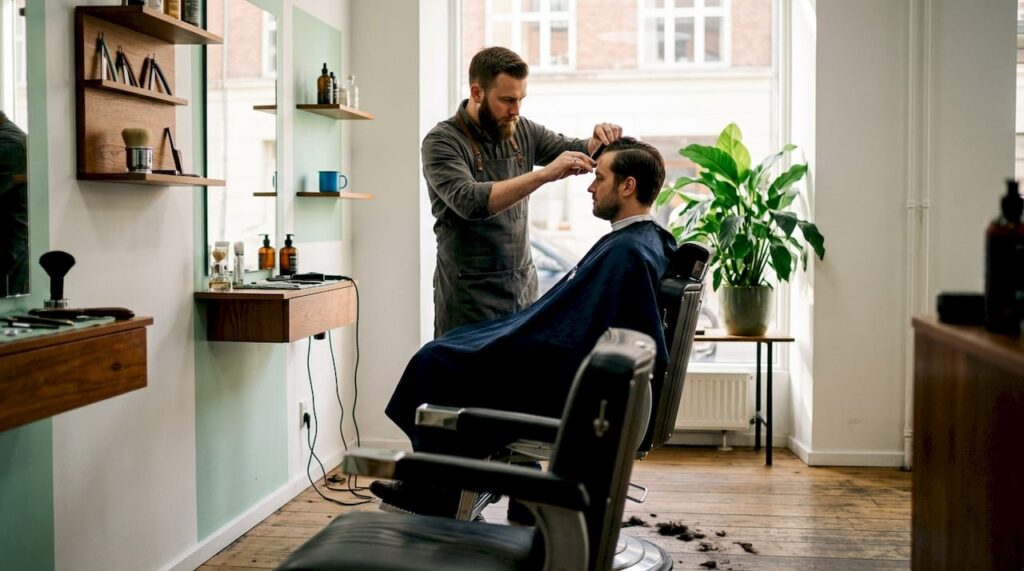
A quality local barbershop is defined by consistent results, professional hygiene, and a client-first approach that holds up visit after visit. One great haircut proves nothing. The real test is whether the shop delivers the same sharp lines, clean fades, and attentive service every single time you sit in the chair. For men in Copenhagen looking to find a professional barber they can trust long-term, knowing the specific signs of a true premium barbershop saves time, money, and a lot of bad hair days.
1. Signs of quality local barbershop: consistent, repeatable results
Repeatable quality signals professionalism more than any single impressive cut. Consistent sharp lines, fades, and blends across multiple visits are the clearest indicator that a barber has real technical skill. Any barber can have a good day. The question is whether they have good days every time.
The best way to test consistency is the two-week check. A strong cut maintains shape and grows out evenly after 7–14 days. A mediocre cut looks sharp right after the razor, then falls apart within days. Freshly shaved cuts can mask poor technique. True quality shows as the hair grows out.
- Check that bald fades blend smoothly at the 10-day mark
- Look for even growth across the top and sides
- Notice whether the neckline stays clean or blurs quickly
Pro Tip: Book three visits before you commit to a barber. Consistency across three cuts tells you far more than one great experience.
2. How to read local barbershop reviews the right way
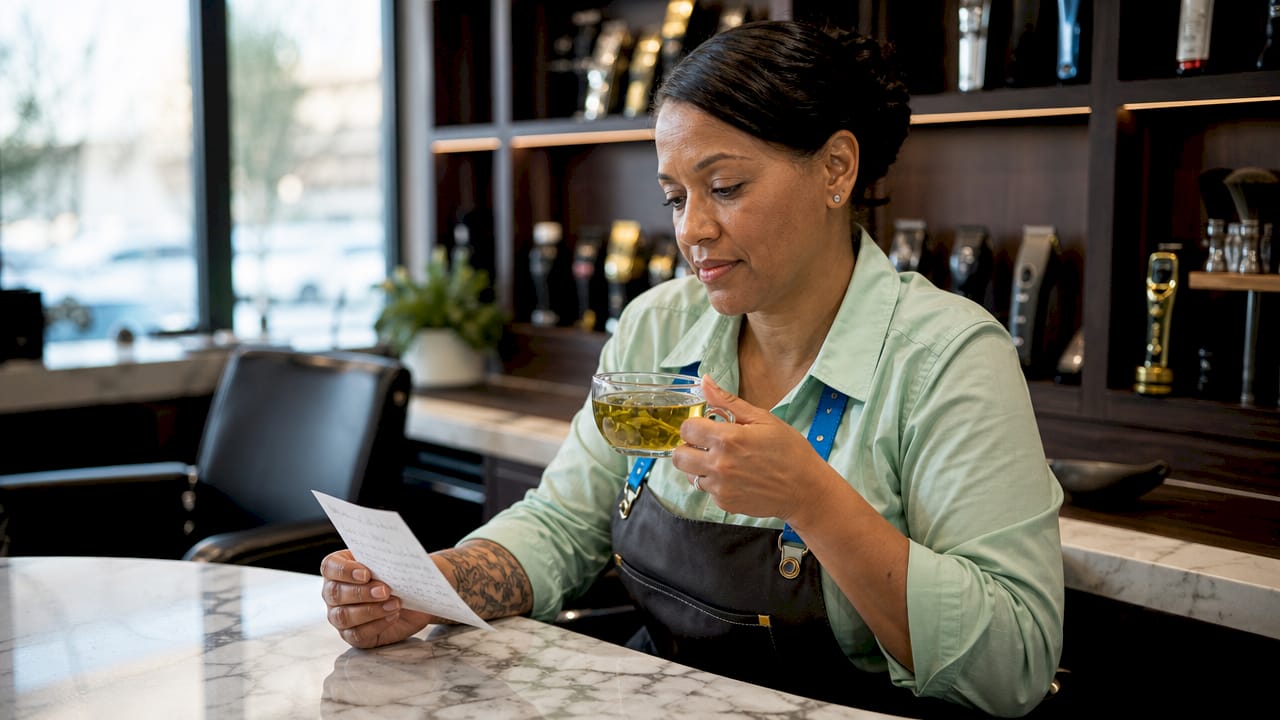
Star ratings alone do not tell you whether a barbershop is worth your time. Patterns in reviews — repeated mentions of attention to detail, friendliness, and listening — are more reliable indicators of quality than a 4.8-star average. A shop with 200 reviews consistently praising clean fades and good communication is a stronger signal than a shop with 12 five-star ratings.
Look for what clients say about their second and third visits, not just their first. First-visit reviews often reflect novelty. Return-visit reviews reflect real service standards. Volume of reviews also matters. A high number of detailed, positive reviews over time shows the shop delivers reliably.
3. Hygiene standards that separate premium shops from average ones
Visible cleanliness is the first hygiene signal, but it is not the only one. Tools, chairs, floors, capes, and towels should all be clean and sanitized between clients. A quality barbershop replaces towels after every client and disposes of used blades properly. These are not extras. They are the baseline.
The deeper standard involves what happens between clients when you are not watching. WHO guidelines on infection prevention require hand hygiene, aseptic technique, and standardized sanitation protocols. A barber who follows these practices protects every client from cross-contamination. Research shows 75% of barbers report awareness of health hazards and clean their tools regularly, but many lack understanding of how disease actually spreads. That gap matters.
- Clipper guards should be sanitized between every client
- Straight razors require single-use blades or full sterilization
- Barbers should wash hands visibly before starting your cut
Pro Tip: Ask the barber directly how they sterilize their tools. A confident, specific answer is a green flag. Vagueness is not.
4. Customer service and communication as quality signals
A great barber listens before they cut. The consultation before your haircut reveals whether the barber is focused on your specific style, hair type, and maintenance routine. A barber who jumps straight to the clippers without asking questions is a red flag. Personalized recommendations and genuine interest in what you want are signs of a professional barber who takes their craft seriously.
Poor communication is one of the clearest warning signs in the industry. Rushed service, unprofessional behavior, and inconsistent results are the most common reasons clients switch barbers. These traits often appear together. A barber who rushes also tends to skip the consultation, which leads directly to cuts that miss the mark.
- Watch whether the barber makes eye contact and asks clarifying questions
- Notice if they offer styling advice based on your face shape or hair texture
- Repeat clients in the shop are a strong signal of reliable service
5. How barber-client rapport builds over time
By the third or fourth visit, a good barber knows your preferences without you repeating them. That familiarity reduces friction and improves results. You stop explaining what a “medium fade” means to you personally, and the barber just delivers it. This kind of rapport is a hallmark of premium barbershops and almost never exists in low-quality shops with high staff turnover.
Building this relationship requires consistency on your end too. Booking with the same barber, keeping regular appointments, and giving honest feedback after each cut all accelerate the process. A master barber with years of experience reads returning clients quickly. That skill shortens the learning curve significantly.
6. The atmosphere and environment of a quality barbershop
A quality barbershop has an atmosphere that matches its clientele. Some shops run loud music and lively conversation. Others keep things calm and focused. Neither is wrong. What matters is that the environment feels intentional and comfortable for regular visits. A clean, organized workspace reflects professional pride and signals that the barber takes their environment as seriously as their craft.
Friendly energy between barbers and clients is also a reliable indicator. Positive interactions, genuine conversation, and a welcoming vibe are not accidental. They reflect the culture the shop owner has built. A tense or indifferent atmosphere in a barbershop usually points to deeper problems with management and service standards.
- Organized stations with labeled products signal attention to detail
- Comfortable seating and reasonable wait times show respect for your time
- Barbers who greet clients by name signal strong client retention
7. Pricing transparency as a trust signal
A premium barbershop lists its prices clearly, whether on a menu board, a website, or both. Hidden fees or vague pricing structures are a red flag. Transparent pricing shows the shop respects its clients and stands behind the value it delivers. At Phillythebarber, every service, from a classic haircut to a straight razor shave, comes with a listed price and a clear description of what to expect.
Pricing should also reflect the level of service. A shop charging premium rates for a rushed, generic cut is not a premium shop. The difference between a premium and a regular barbershop often shows up most clearly in whether the price matches the experience. When it does, that alignment is a sign of integrity.
8. Comparing premium vs. regular barbershops: what actually differs
The difference between a premium and a regular barbershop is not just price. It shows up in every detail of the experience.
| Criteria | Premium barbershop | Regular barbershop |
|---|---|---|
| Hygiene protocols | Sterilized tools, fresh towels per client, visible hand hygiene | Basic cleaning, inconsistent between clients |
| Consistency | Same quality results across multiple visits | Variable results depending on the day or barber |
| Consultation | Personalized style discussion before every cut | Minimal or no consultation |
| Pricing transparency | Clear menu with service descriptions and prices | Vague or verbal pricing only |
| Client retention | High repeat client rate, barbers remember preferences | High turnover, little client familiarity |
| Atmosphere | Intentional, clean, and welcoming environment | Functional but impersonal |
The most common pitfall of average barbershops is inconsistent quality combined with poor sanitation. These two problems almost always appear together. A shop that cuts corners on hygiene usually cuts corners on technique too.
9. Signs you need a professional barber, not just a quick trim
Signs you need a professional barber include uneven fades that never quite blend, necklines that grow out crooked, and haircuts that look great for three days then fall apart. These are not minor issues. They are symptoms of a barber who lacks the technical foundation to deliver lasting results. A certified barber with formal training produces cuts that hold their shape because the underlying technique is sound.
If you find yourself re-explaining your haircut every visit, that is another clear sign. A professional barber builds a mental profile of each client. Needing to start from scratch every appointment means the barber is not investing in the relationship. For men in Copenhagen who want a reliable grooming routine, that investment is non-negotiable.
Key takeaways
A quality local barbershop is identified by consistent results, strict hygiene, transparent pricing, and a barber who builds genuine client familiarity over multiple visits.
| Point | Details |
|---|---|
| Test consistency over time | Judge a barbershop across three or more visits, not a single cut. |
| Check hygiene beyond appearances | Ask about sterilization; visible cleanliness is the floor, not the ceiling. |
| Read reviews for patterns | Look for repeated mentions of detail and listening, not just star ratings. |
| Value the consultation | A barber who asks questions before cutting delivers better, personalized results. |
| Rapport improves results | By visit three or four, a skilled barber should know your preferences without prompting. |
What 20 years behind the chair taught me about spotting quality
I have been barbering for over 20 years, and the one thing I tell every new client is this: do not judge a shop on your first visit. Judge it on your third. The first visit is about first impressions. The third visit is where the truth comes out.
The hygiene question is the one most clients skip. They look at the floor, see it is clean, and move on. But the real question is what happens to the clippers between clients. I have seen shops that look spotless but skip sterilization entirely. That gap between appearance and practice is where health risks actually live.
In Copenhagen, the grooming culture has grown significantly. Men here expect more than a fast trim. They want a barber who knows their name, remembers their fade length, and can hold a real conversation about their style goals. That expectation is exactly right. A barbershop that cannot meet it is not worth your time or your money.
The atmosphere piece matters more than most men admit. You are going to sit in that chair every three to five weeks for years. The shop needs to feel like a place you actually want to be. Comfort and quality are not separate things. They reinforce each other.
— Stephen
Phillythebarber: where these standards show up in every cut
Phillythebarber in Copenhagen was built around every quality marker covered in this article. Philly is a certified Master Barber with over 20 years of experience, and the shop reflects that standard in its hygiene protocols, consistent results, and personalized consultations before every service.
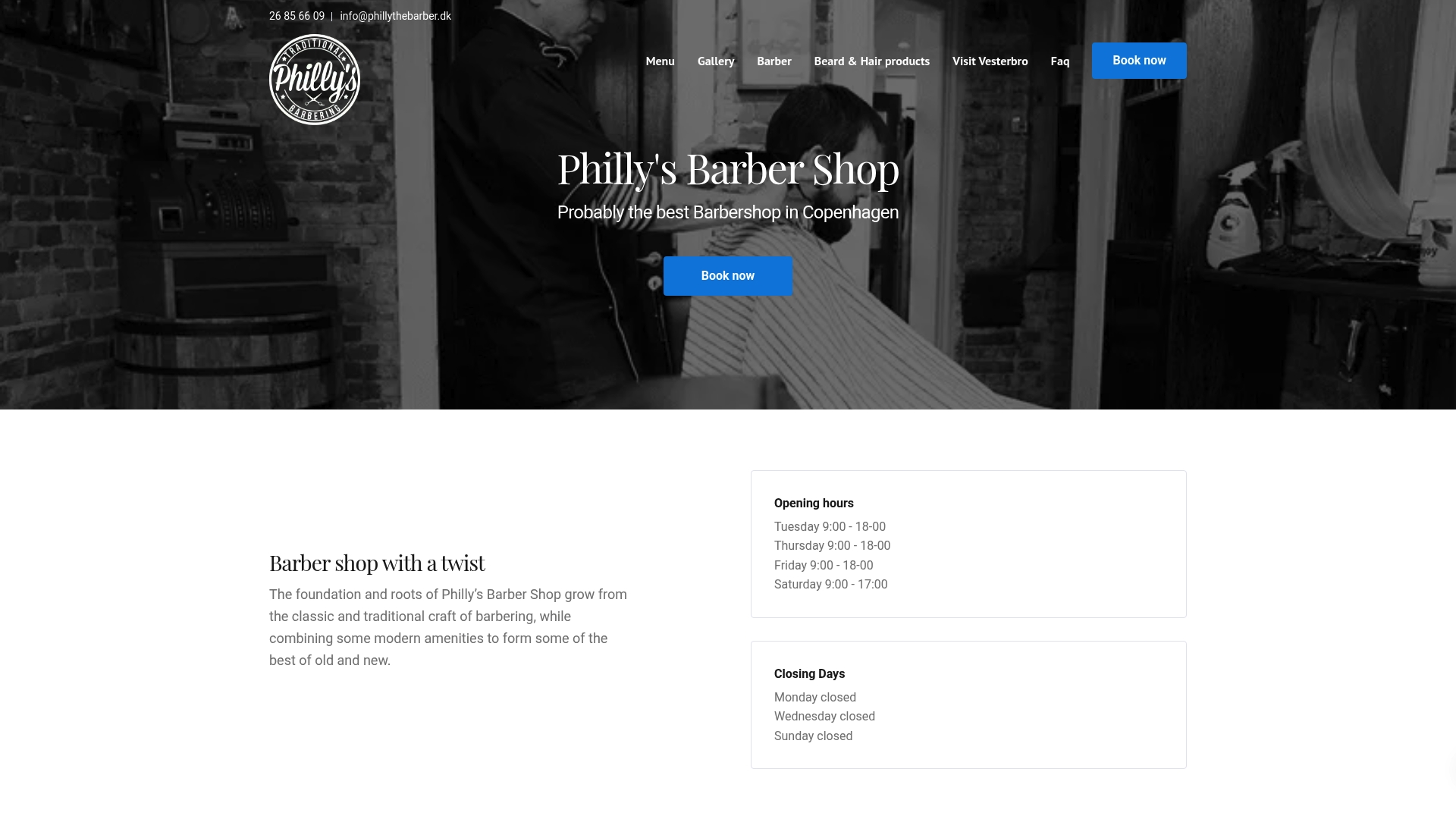
Every service, from bald fades to straight razor shaves and beard trims, comes with clear pricing and a full description of what to expect. The shop’s walk-in services for men in Copenhagen make it easy to experience that quality without a long wait. If you are ready to find a barbershop that delivers the same sharp results every single time, Phillythebarber is the place to start.
FAQ
What are the top signs of a quality local barbershop?
The top signs include consistent results across multiple visits, visible hygiene protocols, transparent pricing, personalized consultations, and a welcoming atmosphere. Repeatable quality across clients and visits is the clearest professional indicator.
How do I know if a barber is truly professional?
A professional barber conducts a consultation before cutting, sanitizes tools between clients, and delivers consistent results that hold their shape for 7–14 days after the appointment.
What is the difference between a premium and a regular barbershop?
A premium barbershop offers sterilized tools, personalized service, transparent pricing, and high client retention. A regular shop often delivers inconsistent results and minimal hygiene protocols between clients.
How many visits does it take to evaluate a barbershop?
Three to four visits give you a reliable picture. By the third or fourth visit, a skilled barber should know your preferences without you repeating them, which is itself a quality signal.
What hygiene practices should I look for in a barbershop?
Look for fresh towels per client, sanitized clipper guards between cuts, visible hand hygiene, and proper blade disposal. These practices align with WHO infection prevention standards for personal care settings.