Professional Haircut vs Barbershop Cut: Men’s 2026 Guide
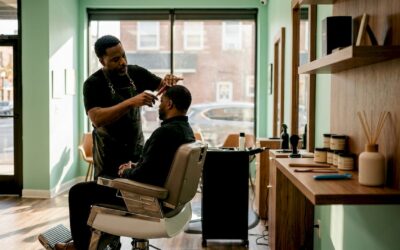
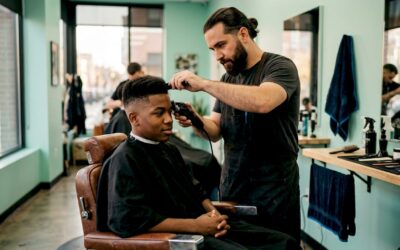
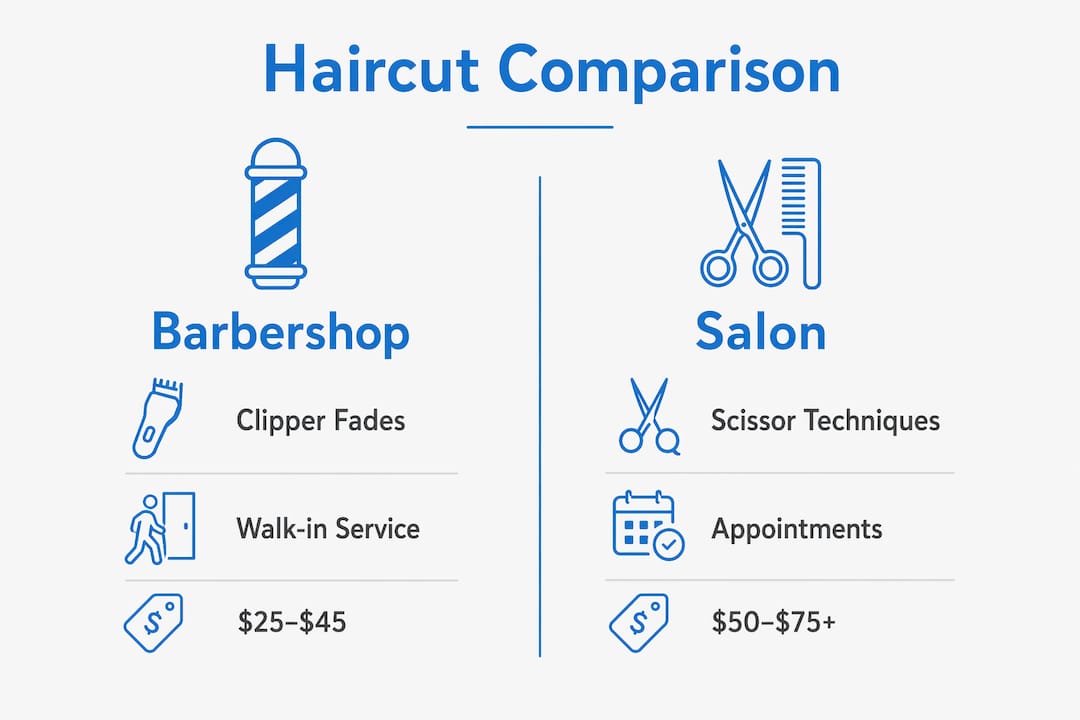
A professional haircut is defined as a precision-focused service using scissor techniques, sectioning, and personalized styling to shape hair across lengths and textures. A barbershop cut specializes in clipper work, fades, tapers, and beard detailing for structured, short-hair results. The professional haircut vs barbershop cut debate is not about which is better overall. It is about matching the right technique to your hair type, style goal, and how much time you want to spend on upkeep. Both options deliver quality results when you choose the provider whose skills align with what you actually need.
How do techniques and tools differ between professional haircuts and barbershop cuts?
The tools each provider uses shape everything about your final result. Barbers use longer scissors, typically 6.5–7 inches, built for scissor-over-comb work on short hair. Salon stylists favor shorter scissors and tools designed for layering, texturizing, and chemical services.
Barbershop techniques
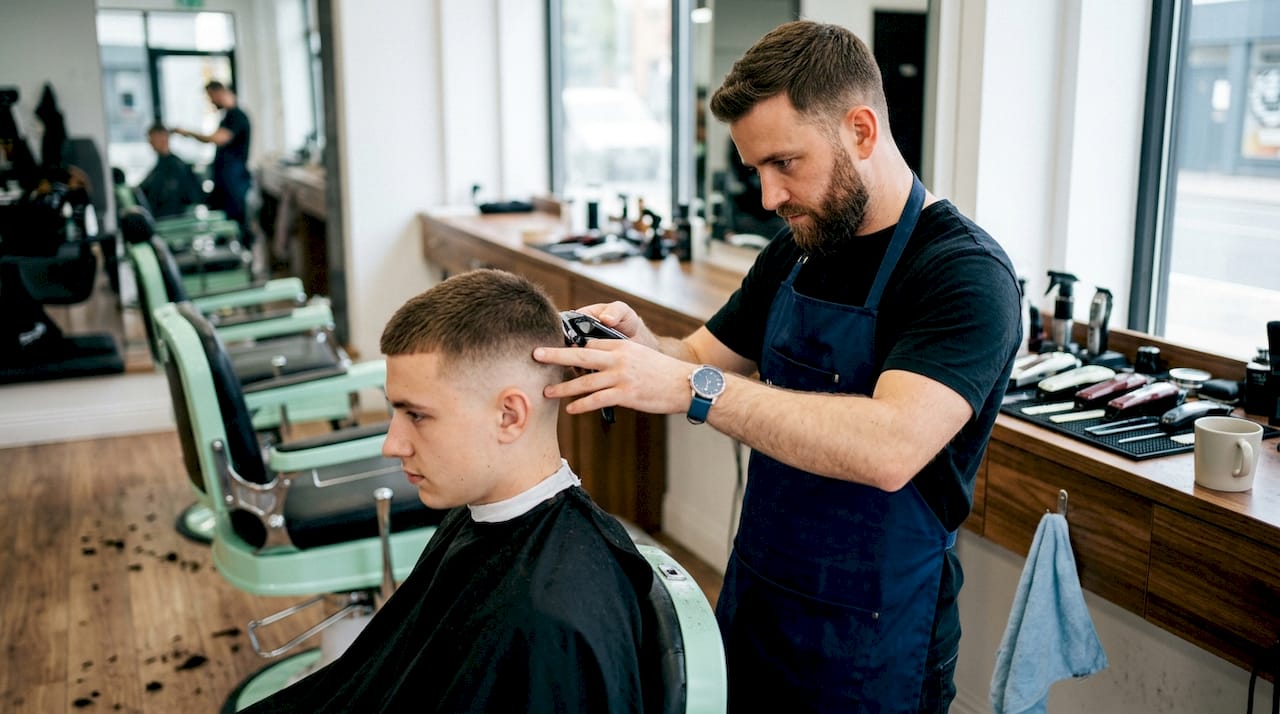
Barbers build their work around clippers, guards, and razor edges. The core skills include:
- Clipper fades: Blending hair from skin to length using guard sizes, creating bald fades, skin fades, and tapers
- Straight razor edging: Defining hairlines, necklines, and beard borders with a straight razor for clean, sharp lines
- Scissor-over-comb: Shaping the top and sides on short hair without clipper marks
- Beard detailing: Trimming, shaping, and lining beard and mustache as part of the cut service
Barbers excel in speed and structure. A skilled barber delivers a tight fade and clean edge in 30–45 minutes.
Salon stylist techniques
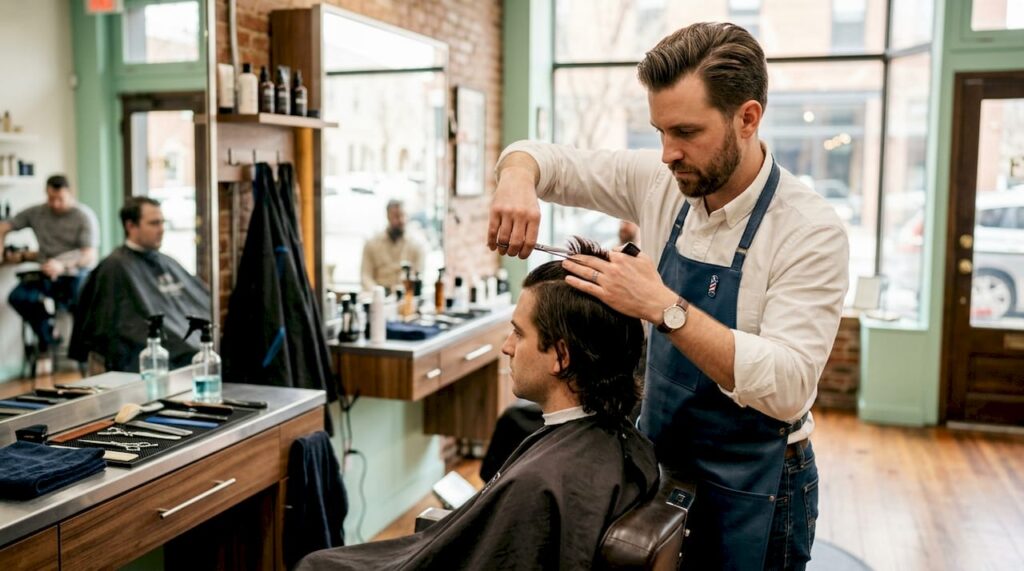
Salon stylists work primarily with scissors, sectioning clips, and combs on wet hair. Professional haircuts on clean, wet hair with methodical sectioning allow the highest accuracy. This preparation step alone separates salon precision from a quick dry cut.
Key salon techniques include point cutting, slide cutting, and texturizing. These methods remove weight and add movement without blunt lines. The result grows out more naturally than a clipper cut.
Pro Tip: Ask your stylist or barber to show you the finished cut dry before you leave. Wet hair looks shorter and tighter. Seeing the dry result tells you whether the shape works for your face and lifestyle.
One important nuance: aggressive thinning near the roots by stylists can cause a puffier look in humid conditions as hair grows out. This is not a flaw in salon cutting generally. It is a reminder that technique choices matter more than the shop type.
What are the typical service environments, pricing, and time commitments?
The experience of getting a haircut differs as much as the cut itself. Barbershops typically run on a walk-in model with a lively, social atmosphere. Salons usually require appointments and offer a quieter, more private setting.
Pricing reflects the service model and skill level involved. Basic men’s haircuts at barbershops cost $25–$45, while salons charge $50–$75 or more depending on service complexity. That gap narrows when you factor in how often you need to return.
| Factor | Barbershop | Hair salon |
|---|---|---|
| Typical price range | $25–$45 | $50–$75+ |
| Appointment style | Walk-in or booked | Appointment required |
| Average service time | 30–45 minutes | 45–75 minutes |
| Beard services included | Yes, standard | Rarely included |
| Atmosphere | Social, energetic | Quiet, private |
Walk-in barbershop services suit men with unpredictable schedules who want a reliable, fast result. Salon appointments suit men who want a longer consultation and more complex styling work. Neither model is superior. Your lifestyle determines which fits.
Which haircut styles suit barbershops versus salons?
Barbershops focus on short hair, clipper precision, fades, tapers, and beard detailing, mostly serving walk-in clients. Salons handle longer hair, layering, color, and texture work requiring appointments. That division is the clearest guide to choosing your provider.
Styles that belong in a barbershop
- Bald fade and skin fade: Requires clipper precision and guard blending that barbers practice daily
- Crew cut: Short, structured, and clean. A barbershop staple that takes 20–30 minutes
- Ivy League: A longer crew cut with a side part. Classic cuts like the Ivy League and Crew Cut are making a strong comeback in 2026 as practical, low-maintenance options
- Caesar cut: Horizontal fringe with uniform length. Clean lines and fast maintenance
- Beard integration: Any cut that includes beard shaping, straight razor lining, or hot towel shave prep
Styles that lean toward a salon
Longer hairstyles with layers, movement, or texture work better in a salon environment. Think textured quiffs, longer side parts with volume, or any style requiring color or chemical treatment. Salons also handle curly and wavy hair textures more effectively when the goal is shape and definition rather than a tight fade.
Hair type matters as much as length. Thick, coarse hair benefits from the weight removal that salon texturizing provides. Fine hair often looks better with clipper structure and clean edges from a barber. Matching provider strengths to your specific hair type and style goal beats relying on category labels alone.
How do maintenance routines compare between the two options?
Maintenance frequency is where the real cost difference shows up over time. Trim cycles vary by style: a Classic Low Fade needs attention every 1–2 weeks, a Side-Part Classic every 2–3 weeks, and a Gentleman’s Cut every 3–4 weeks. That frequency adds up fast at $25–$45 per visit.
Precision scissor-over-comb cuts allow clients to extend appointments to 4–6 weeks because the hair grows out with a natural shape rather than a blunt line. That longer cycle can offset the higher per-visit cost of a salon.
Pro Tip: Track your haircut dates for two months. If you are returning every two weeks for a fade, calculate the annual cost. Then compare it to a longer-cycle salon cut. The math often surprises men who assume barbershops are always cheaper.
Here is a practical maintenance framework to guide your planning:
- Every 1–2 weeks: Tight fades, skin fades, and bald fades. High visual impact but high frequency
- Every 2–3 weeks: Crew cuts, tapers, and short side parts. The most common barbershop maintenance window
- Every 3–4 weeks: Ivy League, Caesar, and scissor-shaped styles. Lower frequency, slightly higher per-visit cost
- Every 4–6 weeks: Salon scissor cuts with natural grow-out. Best for men who want fewer visits
Beard maintenance follows its own cycle. A beard trim and line-up every 2–3 weeks keeps facial hair looking intentional rather than overgrown. Many barbershops include beard detailing with the haircut price, which adds real value to the per-visit cost.
How do you decide which option fits your lifestyle and grooming goals?
The right choice comes down to five factors. Work through each one honestly before booking.
-
Hair length and texture. Short hair with a fade or taper belongs in a barbershop. Longer hair with layers or texture work belongs in a salon. Thick, coarse hair often benefits from salon weight removal. Fine hair usually looks sharper with clipper structure.
-
Style complexity. A skin fade with a hard part requires a barber. A textured quiff with movement requires a stylist. Classic, low-maintenance cuts trending in 2026 like the Crew Cut and Ivy League work well in either setting, but a skilled barber delivers them faster.
-
Maintenance willingness. If you want to return every two weeks and enjoy the ritual, a barbershop fade is a great fit. If you prefer fewer visits and a more natural grow-out, a salon scissor cut serves you better.
-
Budget over time. Calculate annual cost, not per-visit cost. A $35 fade every two weeks costs $910 per year. A $65 salon cut every five weeks costs $676 per year. The “cheaper” option is not always the barbershop.
-
Provider skill. Shop type matters less than individual skill. Review portfolios, read client feedback, and look for a quality local barbershop or stylist with documented results in your target style. A master barber with 20 years of experience outperforms a junior stylist at any price point.
Key Takeaways
The best haircut decision comes from matching your hair type, style goal, and maintenance schedule to the provider whose core skills align with all three.
| Point | Details |
|---|---|
| Technique defines the result | Barbers excel at clipper fades and razor edges; stylists excel at scissor shaping and texture work. |
| Pricing differs by cycle | Barbershop cuts cost $25–$45 per visit; salon cuts cost $50–$75+, but longer grow-out cycles can lower annual spend. |
| Style suitability matters | Short fades and beard work belong in a barbershop; layered, longer, or textured styles suit a salon. |
| Maintenance frequency varies | Tight fades need attention every 1–2 weeks; scissor cuts can extend to 4–6 weeks between visits. |
| Skill beats shop type | A master barber or experienced stylist delivers better results than a less skilled provider in either setting. |
What I have learned after 20 years behind the chair
Men often walk in asking whether they should have gone to a salon instead. My honest answer is always the same: the question is not where you go. It is whether the person holding the scissors or clippers actually understands your hair.
I have seen men with thick, wavy hair get aggressive clipper fades that looked great for four days and then turned into a shapeless mess. I have also seen men pay $70 at a salon for a “textured cut” that was just a basic trim with no real technique behind it. The shop sign means nothing without skill behind it.
What I tell every client at Phillythebarber is this: bring a photo of the style you want, describe how much time you spend on your hair each morning, and tell me your budget for the year, not just the visit. Those three pieces of information let me give you a cut that actually fits your life.
The psychological side of a great haircut is real. Men leave the chair standing differently. That is not marketing. That is what happens when someone who knows what they are doing takes the time to get it right. Whether you choose a barbershop or a salon, invest in the provider who asks questions before picking up a tool.
— Stephen
Premium barbershop services for men in Copenhagen
Phillythebarber brings over 20 years of master barber experience to every chair. Whether you want a tight skin fade, a clean Crew Cut, or a full beard line-up with a straight razor finish, every service is built around your hair type and style goal.
Walk-ins are welcome, and the atmosphere is exactly what a great barbershop should feel like: focused, warm, and worth your time. Check out walk-in services for men to see what Phillythebarber offers, or read up on personalized barbershop service to understand the approach before you book. Great grooming starts with the right provider.
FAQ
What is the main difference between a barbershop cut and a professional haircut?
A barbershop cut focuses on clipper precision, fades, tapers, and beard detailing for short hair. A professional haircut uses scissor techniques and sectioning for versatile styles across lengths and textures.
How often should I get a barbershop cut versus a salon cut?
Tight fades need a trim every 1–2 weeks, while scissor-based salon cuts can last 4–6 weeks due to the natural grow-out shape they create.
Are barbershop cuts cheaper than professional salon haircuts?
Barbershop cuts typically cost $25–$45 per visit versus $50–$75 or more at a salon. However, higher salon prices can be offset by less frequent visits over the course of a year.
Which classic men’s haircuts work best at a barbershop?
The Crew Cut, Ivy League, Caesar, and any fade variation are ideal barbershop styles. These timeless barbershop cuts are trending strongly in 2026 as practical, low-maintenance options.
How do I choose between a barber and a salon stylist?
Match your hair type and style goal to the provider’s core skills. Short structured styles and beard work suit a barber; longer, layered, or textured styles suit a stylist. Always review portfolios before booking.