Men’s Grooming Best Practices 2026: Your Playbook
The six rules of men’s grooming in 2026 are simple to state and powerful to follow: build a three-product skin baseline, choose texture-first haircuts, practice skin-forward beard care, shave smart with proper hydration, maintain your tools, pick ingredients that work, and schedule appointments around your style goals. Follow all six consistently for 30 days and you will see a measurable difference in how you look and how long your style holds between visits.
Your 2026 grooming checklist:
- Baseline skincare: Cleanser + moisturizer + SPF 30+ every morning, no exceptions
- Texture-first haircuts: Choose a cut that works with your hair’s natural movement, not against it
- Skin-forward beard care: Treat the skin under your beard as seriously as your face
- Shave smart: Lukewarm water, proper lather, pH-balanced aftercare, no retinoids on freshly shaved skin
- Tool upkeep and smart product selection: Clean clippers after every use, replace blades on schedule, read ingredient lists
- Appointment cadence: Book based on your style, not a random calendar date
Start with the three-product skin baseline for 30 days. That single habit, backed by dermatological consensus, builds the foundation everything else sits on.
Table of Contents
- What does a solid daily and weekly grooming routine look like?
- How do you choose the right haircut and styling approach in 2026?
- What is the right shaving technique and beard maintenance approach?
- How do you choose the right products and care for your tools?
- What do dermatologists and barbers agree on for safe, effective grooming?
- How often should you groom and what does it cost in the US?
- What grooming mistakes should you stop making right now?
- What does proper beard care actually involve day to day?
- How should your grooming routine change with the seasons?
- How do diet, sleep, and stress affect your skin and hair?
- What should men with sensitive skin or allergies watch for in 2026?
- What sustainable grooming options are worth using in 2026?
- Key Takeaways
- What actually works: a barber’s honest perspective
- Phillythebarber: where the playbook becomes a real result
- Useful sources and further reading
What does a solid daily and weekly grooming routine look like?
The goal is a routine you can actually keep. Two minutes in the morning, two to three minutes at night, and a few targeted weekly actions cover the vast majority of what your skin, beard, and hair need.

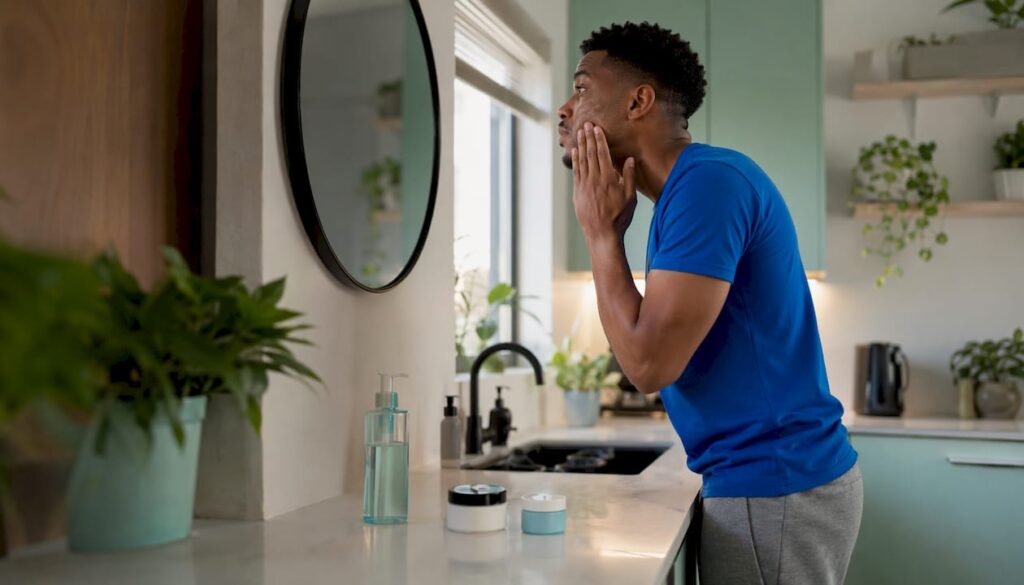
AM baseline: Start with a gentle cleanser suited to your skin type, follow with a moisturizer, and finish with SPF 30 or higher applied to your face and neck. A nickel-sized amount of sunscreen covers both. That is the whole morning routine for most men, and it takes under three minutes to complete.
PM baseline: Cleanse again to remove the day’s buildup, then apply your treatment active if you use one. Retinoids are the gold standard for reducing visible aging signs, but introduce them slowly at a low concentration and use them on alternate nights at first. The single-active-night rule matters: do not layer a retinoid with a BHA or niacinamide until your skin has adjusted over 30 to 60 days. Finish with a night moisturizer.
Weekly additions: Exfoliate once or twice a week depending on your skin type (oily skin tolerates more; sensitive skin needs less). Wash your beard with a dedicated beard cleanser and follow with a conditioner or beard oil. If you notice scalp dryness or flaking, a scalp scrub or treatment once a week addresses it before it becomes a real problem.
Body and nails: Deodorant daily, body moisturizer on dry areas after showering, and trimmed nails. These are small habits that affect your overall presentation more than most men realize.
For oily skin specifically, skipping moisturizer is counterproductive. A lightweight, non-comedogenic gel-cream applied within 60 seconds of washing helps regulate sebum production rather than trigger more of it.
How do you choose the right haircut and styling approach in 2026?
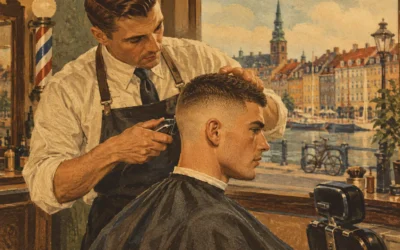
The dominant shift in 2026 barbershop trends is texture-first cutting. Less aggressive clipper work, more scissor-based shaping, softer tapers, and longer top options that let your hair move naturally. Barberroom reporting confirms that cuts emphasizing movement and grow-out structure are replacing the hyper-structured fades that dominated the previous few years.
Choosing by hair type:
- Straight hair: Benefits from a textured crop or modern flow with a soft taper. Avoid blunt, heavy cuts that look flat by week two.
- Wavy hair: Let the wave work for you. A medium-length cut with a tapered side and minimal layering gives natural volume without effort.
- Curly hair: Prioritize shape over length. A well-structured curly cut grows out cleanly and requires less daily product to look intentional.
Choosing by face shape: Oval faces can carry almost any cut. Square faces benefit from softer edges and more length on top. Round faces look sharper with height and tighter sides. Oblong faces do better with width, so avoid very high fades.
Styling quick tips: Salt spray or a matte paste are the pre-stylers to reach for in 2026. Apply to slightly damp hair, work through with your fingers, and let it air-dry or use a diffuser on low heat. Product amount matters: start with less than you think you need. Matte and low-shine finishes read more natural and hold up better through the day than high-gloss products.
When you sit in the chair, ask for a cut designed to grow out well over three to five weeks. A technically structured cut keeps its shape far longer than one built purely for the day of the appointment. If you are noticing thinning, that conversation belongs in the consultation too. Ingredients like caffeine and Capixyl are showing up in anti-thinning formulations worth discussing with your barber or a dermatologist.
What is the right shaving technique and beard maintenance approach?
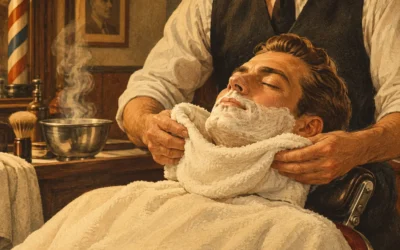
Good shaving starts before the blade touches your face. Hydrate with lukewarm water for at least 30 seconds, apply a quality lather, and let it sit for a minute. That prep step alone reduces friction and irritation more than any aftershave product can fix after the fact.
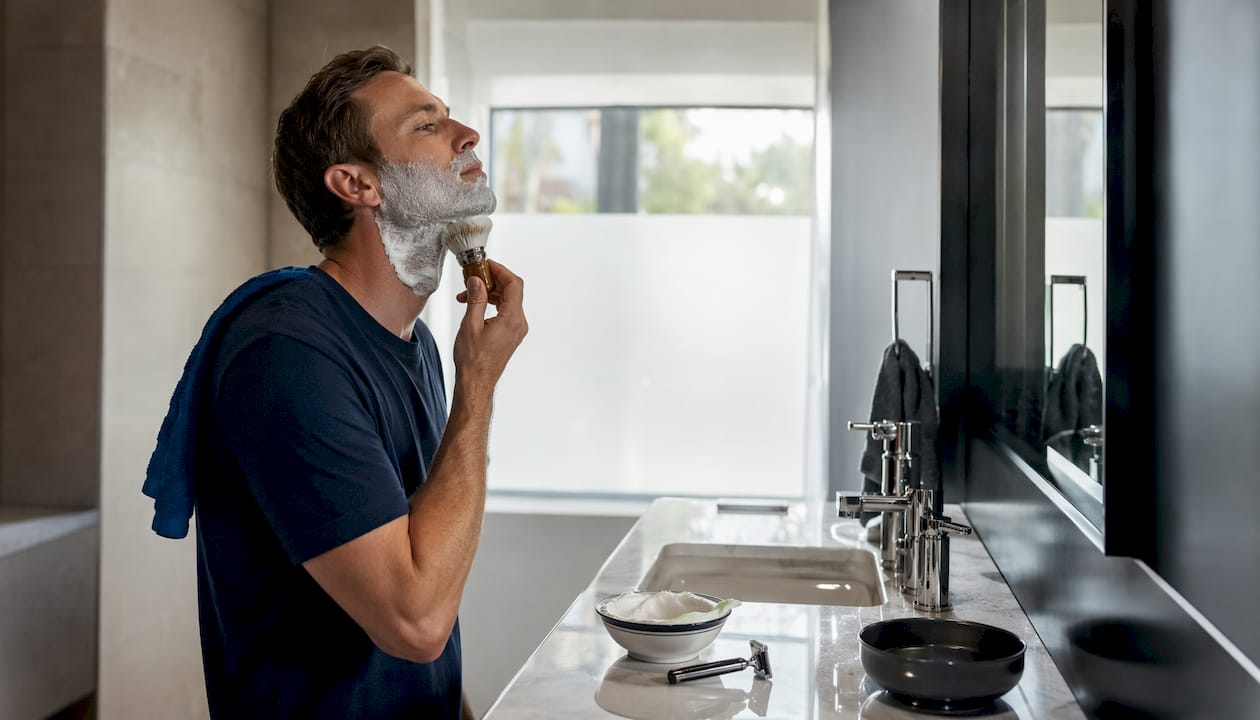
Tool choices: A single-blade safety razor delivers a close, clean shave with less irritation for most skin types. Multi-blade cartridges are convenient but can cause more ingrown hairs on coarser beard types. Electric shavers work well for maintenance shaving and are the right call if your skin is consistently reactive. Whichever tool you use, hygiene matters: rinse after every shave, dry the blade, and replace it on schedule.
Post-shave recovery: Rinse with cool water to close pores, then apply a pH-balanced aftershave balm or lotion. Avoid products with denatured alcohol as the primary ingredient; they sting and strip the barrier. One important timing note: do not apply retinoids on freshly shaved skin. Wait at least 24 hours. Shaving removes a thin layer of the skin’s surface, and applying a retinoid immediately after causes unnecessary irritation.
Beard care: Skin-first beard routines are the standard in 2026. Wash your beard two to three times a week with a dedicated beard cleanser, not regular face wash or body soap. Follow with a beard oil for shorter beards or a balm for longer ones. Both condition the hair and, more importantly, hydrate the skin underneath. Brush daily to distribute product and train the hair direction.
Trimming frequency depends on your beard length and style goals. A short beard needs a shape-up every one to two weeks. A longer beard can go two to four weeks between trims, but the neckline and cheek line need attention more often than the length does.
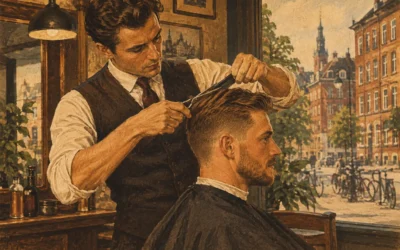
Pro Tip: When you book a beard trim, ask your barber to design a neckline that integrates with your haircut’s taper. A beard line that connects to a tapered side creates a unified look that reads intentional rather than accidental. The beard trim process is worth understanding before you sit in the chair.
How do you choose the right products and care for your tools?
Ingredient transparency is the buying filter that matters most in 2026. If a product does not list its INCI ingredients clearly, skip it. The top actives worth prioritizing: SPF for daily sun protection, retinoids for skin aging, niacinamide for sebum control and barrier support, peptides for skin firmness, and caffeine or Capixyl for anti-thinning hair care. For beard and hair products, non-comedogenic labels matter if you are prone to breakouts along the jawline or hairline.
Packaging affects how long a product stays effective. Pump dispensers and opaque tubes protect actives like retinoids and vitamin C from light and air degradation. Jar packaging exposes the product to both every time you open it.
Starter kit essentials:
- Gentle facial cleanser
- Moisturizer (with or without SPF built in)
- Dedicated SPF 30+ for daytime
- Beard wash and beard oil or balm
- Quality clippers or scissors
- Safety razor or reliable electric shaver
Tool maintenance checklist:
- Clean clippers after every use and oil the blades weekly
- Replace razor blades based on shave frequency (typically every five to seven shaves for a safety razor)
- Disinfect combs and brushes weekly
- Store all tools dry; moisture accelerates blade corrosion and bacterial growth
Professional-grade products differ from mass-market options primarily in formulation stability and ingredient concentration, not just branding. That gap is worth understanding before you buy.
What do dermatologists and barbers agree on for safe, effective grooming?
Dermatology and barber expertise converge on one point: consistency beats complexity every time. A three-product routine followed daily outperforms a ten-product routine used sporadically.
The dermatological consensus is clear on sunscreen. SPF 30 blocks approximately 97% of UVB rays, while SPF 50 blocks about 98%. That one-percent difference is not the reason to upgrade; the reason to wear it daily is that UVB exposure is the primary driver of visible skin aging and skin cancer risk. Daily sunscreen is the single most effective anti-aging product available, and it costs less than most serums.
Retinoid introduction follows a specific schedule for good reason. Start at the lowest available concentration, use it two nights per week for the first month, and add a third night only when your skin has adjusted. Introduce one active at a time and wait 30 to 60 days before adding another. Rushing this process causes irritation that sets you back further than going slowly.
On the barber side, the consultation is the highest-leverage appointment you can book. A cut designed around your face shape, growth pattern, and lifestyle keeps its shape for three to five weeks and reduces how much product you need daily. Expert barber guidance is not a luxury; it is the most efficient grooming investment you can make.
For clinical treatments like microneedling or chemical peels, consult a qualified practitioner before starting. These treatments are moving from niche to mainstream in performance-minded male audiences, per Mintel research, but staged introduction and professional oversight are non-negotiable for safe results.
How often should you groom and what does it cost in the US?
Appointment cadence depends on your style, not a fixed calendar. Typically, visits occur every few weeks depending on style complexity, with costs varying accordingly. Haircuts for longer styles tend to be less frequent and more affordable, while high-structure fades and specialty services like straight-razor shaves may require more frequent visits and higher fees.
Visits every 3–5 weeks are the recommended cadence for most modern styles, with scalp care and consultation built into the appointment rather than treated as add-ons.
At-home frequency: AM baseline daily, PM baseline nightly, exfoliation once or twice weekly, and a monthly check-in on whether your active ingredients still suit your skin’s current condition. Seasons and stress levels change your skin, so what worked in January may need adjusting by July.
Clinical skin services such as peels and microneedling are usually premium treatments administered by qualified skin professionals. These interventions are not considered routine maintenance and vary in price depending on provider and location.
What grooming mistakes should you stop making right now?
The most common and costly mistake is adding too many new products at once. When your skin reacts, you cannot identify the cause. Introduce one new product at a time and give it at least two weeks before adding another.
Do this, not that:
- Do apply moisturizer within 60 seconds of washing your face. Don’t wait until your skin feels tight.
- Do use lukewarm water for cleansing and shaving. Don’t use hot water; it strips the skin barrier.
- Do skip retinoids on freshly shaved skin. Don’t apply actives when your barrier is compromised.
- Do moisturize oily skin with a lightweight gel formula. Don’t skip it because your skin feels greasy.
Seasonal adjustments: Summer calls for lighter moisturizers, higher SPF diligence, and more frequent cleansing if you sweat. Winter requires richer barrier-repair products, particularly around the nose and jaw where dryness shows first. Traveling disrupts routines; pack your three-product baseline in travel sizes and treat everything else as optional.
Three quick wins you can start today:
- Apply SPF every morning before you leave the house
- Moisturize on slightly damp skin for better absorption
- Book a consultation-focused haircut designed to grow out cleanly over four weeks
Pro Tip: Ask your barber at the start of every appointment: “What would this cut look like in four weeks?” A barber who can answer that question confidently is building you a style, not just a haircut. The difference shows up every morning when you get ready.
What does proper beard care actually involve day to day?
A beard is only as good as the skin underneath it. Flaking, irritation, and rough texture cannot be fixed with styling products alone. The skin-first approach to beard care is the standard in 2026, and it changes how you shop and how you maintain your beard daily.
Cleansing: Wash your beard two to three times a week with a dedicated beard cleanser. Regular shampoo strips too much natural oil from coarser facial hair. Beard-specific formulas clean without leaving the skin underneath dry and reactive.
Conditioning: Beard oil is the right choice for shorter beards (under two inches). It absorbs quickly, hydrates the skin, and softens the hair without weight. Beard balm suits longer beards better; it provides conditioning plus light hold to manage shape. Apply either product to a slightly damp beard for better absorption.
Preventing ingrowns: Brush daily with a boar bristle or firm synthetic brush. Brushing distributes oil, exfoliates the skin surface, and trains hair to grow in a consistent direction, which reduces ingrown hairs significantly.
Trimming frequency: Short beards need a shape-up every one to two weeks. Medium beards (one to three inches) can go two to three weeks between trims. Longer beards need the neckline and cheek line cleaned up every two weeks even if the length stays the same.
How should your grooming routine change with the seasons?
Your skin and hair respond to temperature, humidity, and UV intensity throughout the year. A routine that works perfectly in October may leave your skin dry and tight by February, or congested and shiny by July.
Spring and summer: Switch to a lighter moisturizer, increase SPF diligence (reapply if you are outdoors for more than two hours), and cleanse more thoroughly in the evening to remove sweat and sunscreen buildup. Beard oil may feel heavier in humid weather; a lighter formula or reduced amount keeps the beard conditioned without greasiness.
Fall and winter: Upgrade to a richer moisturizer with ceramides or hyaluronic acid to repair the barrier against cold air and indoor heating. Lips and the skin around the nose dry out first; a simple lip balm and targeted moisturizer for those areas prevent cracking. Beard conditioner becomes more important in winter because cold air dries facial hair faster.
Travel disrupts seasonal routines. Pack your three-product baseline regardless of destination and adjust the moisturizer weight based on the climate you are traveling to.
How do diet, sleep, and stress affect your skin and hair?
Grooming products work on the surface. What happens internally shows up on your skin and in your hair whether you want it to or not.
Diet: Skin barrier function depends on essential fatty acids, zinc, and vitamins A, C, and E. A diet consistently low in these nutrients produces dull skin, slower wound healing, and brittle hair. You do not need a supplement stack; a diet with regular fish, leafy greens, nuts, and varied protein covers most of it.
Sleep: Skin repairs itself during sleep. Consistently poor sleep raises cortisol levels, which increases oil production, slows collagen synthesis, and makes existing skin conditions like acne or eczema worse. Your PM skincare routine is most effective when it has six to eight hours of sleep to work alongside.
Stress: Elevated cortisol triggers sebum overproduction and can accelerate hair shedding. Men who notice sudden changes in skin oiliness or increased hair loss during high-stress periods are often experiencing a direct physiological response, not a product failure. Managing stress through exercise, sleep, and recovery is part of a complete grooming approach, not a separate wellness topic.
What should men with sensitive skin or allergies watch for in 2026?
Fragrance is the most common contact allergen in grooming products, and it appears under many names on ingredient lists: “parfum,” “fragrance,” “linalool,” “limonene,” and dozens of specific fragrance compounds. If you have reactive skin, fragrance-free formulations are the safest starting point.
Preservatives are the second most common trigger. Methylisothiazolinone (MI) and methylchloroisothiazolinone (MCI) appear in rinse-off products like cleansers and shampoos and are known sensitizers. Check the INCI list before buying, particularly for products that stay on the skin.
Patch testing is straightforward: apply a small amount of a new product to the inside of your forearm for two to three days before using it on your face. If you see redness, swelling, or persistent itching, that product is not for you regardless of how well-reviewed it is.
For men with beard-related skin issues (folliculitis, contact dermatitis under the beard), the culprit is often a product applied to the beard that migrates to the skin. Switching to a fragrance-free, alcohol-free beard oil typically resolves the irritation within two weeks.
What sustainable grooming options are worth using in 2026?
Sustainability in grooming has moved past token gestures. Refillable packaging, concentrated formulas, and plastic-free tools are now widely available at price points that compete with conventional options.
Packaging: Refillable aluminum or glass containers for moisturizers and cleansers reduce single-use plastic significantly. Several established grooming brands now offer refill pouches at a lower cost per ounce than the original product.
Tools: A safety razor with replaceable blades generates a fraction of the plastic waste of cartridge systems over a year of use. Bamboo combs and natural-bristle brushes are durable, biodegradable, and perform as well as synthetic alternatives.
Formulas: Solid cleansers and shampoo bars eliminate water weight from shipping and remove the need for plastic bottles entirely. Concentrated formulas (two to three times the active ingredient density of standard products) last longer and use less packaging per use.
Ingredients: Look for brands that disclose sourcing for palm oil derivatives and synthetic musks, two ingredient categories with documented environmental concerns. The INCI list tells you what is in the product; the brand’s sourcing transparency tells you how it got there.
Key Takeaways
The most effective men’s grooming approach in 2026 combines a consistent three-product skin baseline with texture-first haircuts, skin-forward beard care, and appointment cadence matched to your style goals.
| Point | Details |
|---|---|
| Three-product skin baseline | Cleanser, moisturizer, and SPF 30+ daily is the foundation; start here for 30 days before adding anything else. |
| SPF is non-negotiable | SPF 30 blocks approximately 97% of UVB rays; daily sunscreen is the most effective anti-aging step available. |
| Texture-first haircuts | Choose cuts that work with your natural hair movement and grow out cleanly over 3–5 weeks. |
| Appointment cadence | Book every few weeks depending on style complexity; consultation-focused visits deliver better long-term results. |
| Phillythebarber | Offers in-chair consultations, beard trims, straight-razor shaves, and grow-out planning for men who want results that last. |
What actually works: a barber’s honest perspective
Most men come in with the same problem: they have been reacting to their appearance instead of planning for it. They book a cut when it looks bad, buy a product when something goes wrong, and skip the consultation because they think they already know what they want. That approach keeps you in a cycle of fixes rather than building something that works consistently.
What I see with clients who follow a real routine is different. The skin looks better within a few weeks of the three-product baseline. The haircut holds its shape longer when it is built around the client’s growth pattern rather than a trend photo. The beard looks intentional rather than incidental when the skin underneath is cared for. None of this requires an expensive product stack or an hour in the bathroom. It requires consistency and one good consultation to set the direction.
When you sit in the chair, ask questions. Ask what the cut will look like in four weeks. Ask whether your beard line integrates with your haircut. Ask which products are worth buying and which ones you can skip. A good barber answers all of that. That conversation is where the real value of a professional appointment lives, and it is what separates a style that works from one that just looked good on the day.
Phillythebarber: where the playbook becomes a real result
Reading a grooming guide is one thing. Sitting in the chair with a master barber who can look at your face shape, hair texture, and lifestyle and build a plan around all three is something else entirely.
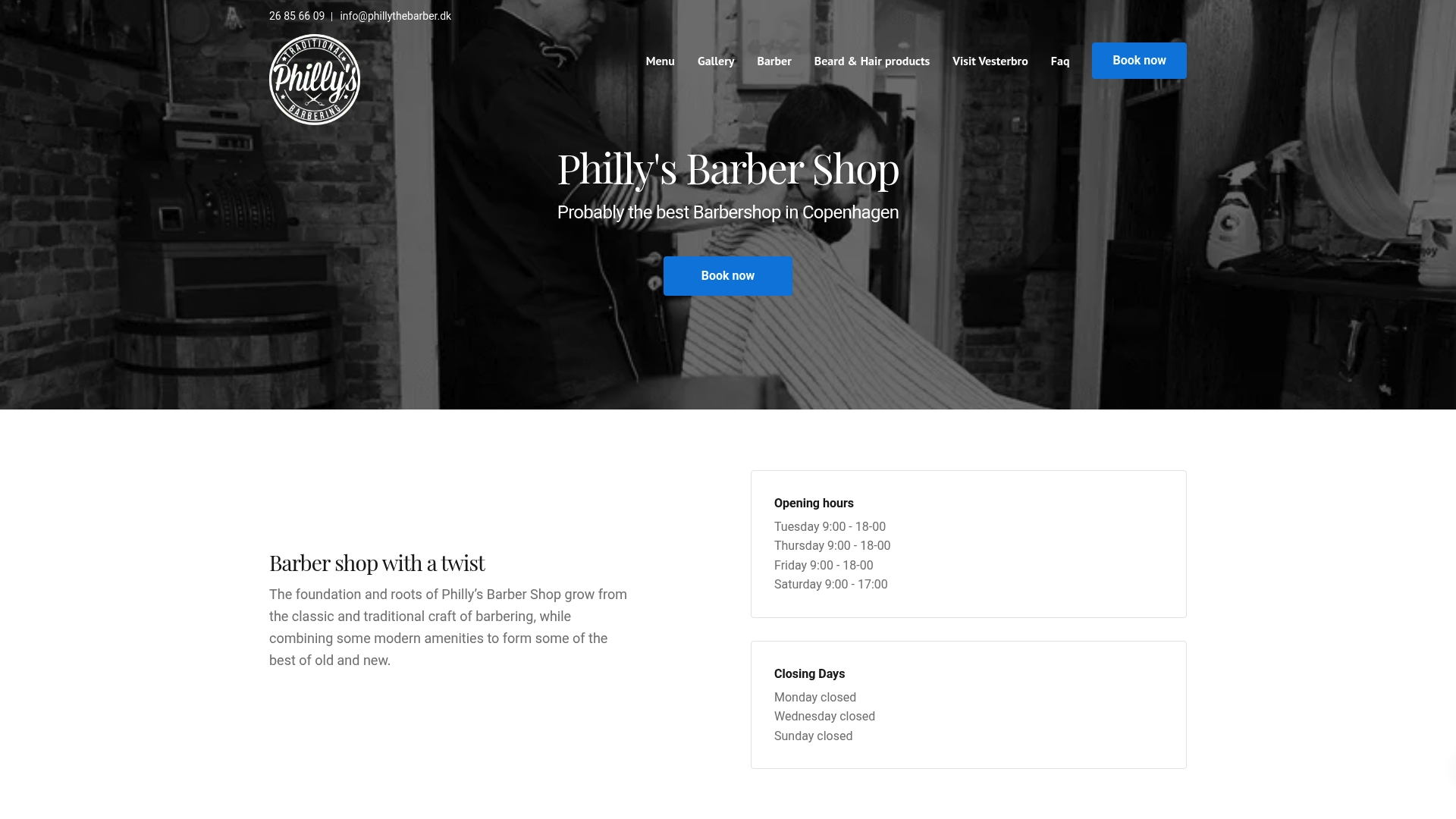
Phillythebarber offers exactly that: haircuts, beard trims, straight-razor shaves, and in-chair consultations with Philly, a certified Master Barber with over 20 years of experience. Every appointment is built around your specific goals, not a generic template. Whether you want a texture-forward cut that grows out cleanly, a beard line that integrates with your taper, or a full-service grooming experience that covers everything in one visit, Phillythebarber has the expertise to deliver it. Walk-in and booked appointments are both available. Book your visit and put the six rules to work with a professional in your corner.
Useful sources and further reading
Use clinical guides for treatment and ingredient questions. Use barber resources for styling, cut selection, and appointment planning. For local bookings and in-person consultations, Phillythebarber’s service pages are the primary resource.
- Men’s Skincare Guide for 2026 (Dermatologist-Backed) | The Modern Observer — the most thorough dermatologist-aligned guide for the three-product baseline and retinoid introduction
- Men’s Grooming Trends 2026 | Gravel AI — ingredient and category trend analysis covering anti-thinning actives and skin-first beard care
- The Future of Men’s Grooming | Mintel — industry research on wellness-driven grooming, peptides, and clinical treatments entering male routines
- Men’s Grooming & Haircare Trends for 2026 | Harry Rosen — barberroom trend reporting on texture-first cuts and grow-out structure
- Barbershop Trends 2026 | Menzone — appointment cadence guidance and scalp care emphasis for modern styles
- Men’s Skincare Routine for Beginners | Harry’s — practical three-step routine guide for men starting from scratch
- Phillythebarber service pages — local booking, consultation details, and the full range of grooming services available in Copenhagen