Clean Shave vs Beard: Which Look Works for You?
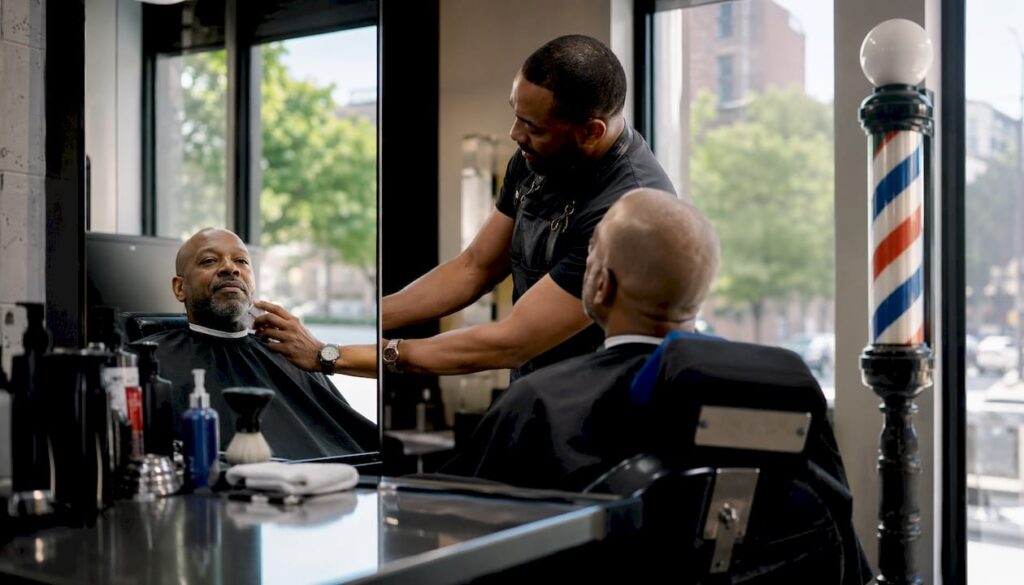
Choose heavy stubble or a neat beard when you want a mature, authoritative look with lower daily upkeep. Stick to a clean shave if your workplace demands it, your skin needs the exfoliation boost, or you want to show off your jawline. That’s the short version. The longer version depends on your face shape, your job, and how much time you’re genuinely willing to spend in front of the mirror each morning.
Studies on facial hair and attractiveness consistently show that heavy stubble — roughly 10 days of growth — ranks highest for attractiveness across many samples, outperforming both a full beard and a clean shave in short-term contexts. But attractiveness is only one variable. Conservative industries like finance, law, and healthcare still lean toward clean-shaven standards, while creative and tech fields tend to accept a neat beard without a second thought.
- Best for most men: Heavy stubble or a trimmed short beard — lower daily effort, strong appearance signals, and flexible enough for most workplaces.
- Best for conservative roles or sensitive skin: A clean shave, maintained with proper prep and post-shave care.
- Best first step: Run a 10-day stubble trial. If you like what you see, commit to the 90-day beard evaluation. If not, book a straight-razor shave at Phillythebarber and start fresh with professional technique.
Pro Tip: Before you commit to either look, spend one week tracking how long your morning grooming actually takes. Most men underestimate the daily time cost of a close shave — and overestimate how much work a trimmed beard requires.
Table of Contents
- What a beard actually does for your appearance and skin
- The real costs of wearing a beard (maintenance, hygiene, and perception)
- Why a clean shave still wins in certain situations
- The real drawbacks of shaving every day
- Grooming tools, routines, and what each look actually costs
- How to choose: matching your face, job, lifestyle, and skin
- Barber perspective: technique, common mistakes, and when to get professional help
- Key Takeaways
- What I’ve learned from helping men choose their look
- Phillythebarber can help you find the right look
- Sources and further reading
What a beard actually does for your appearance and skin
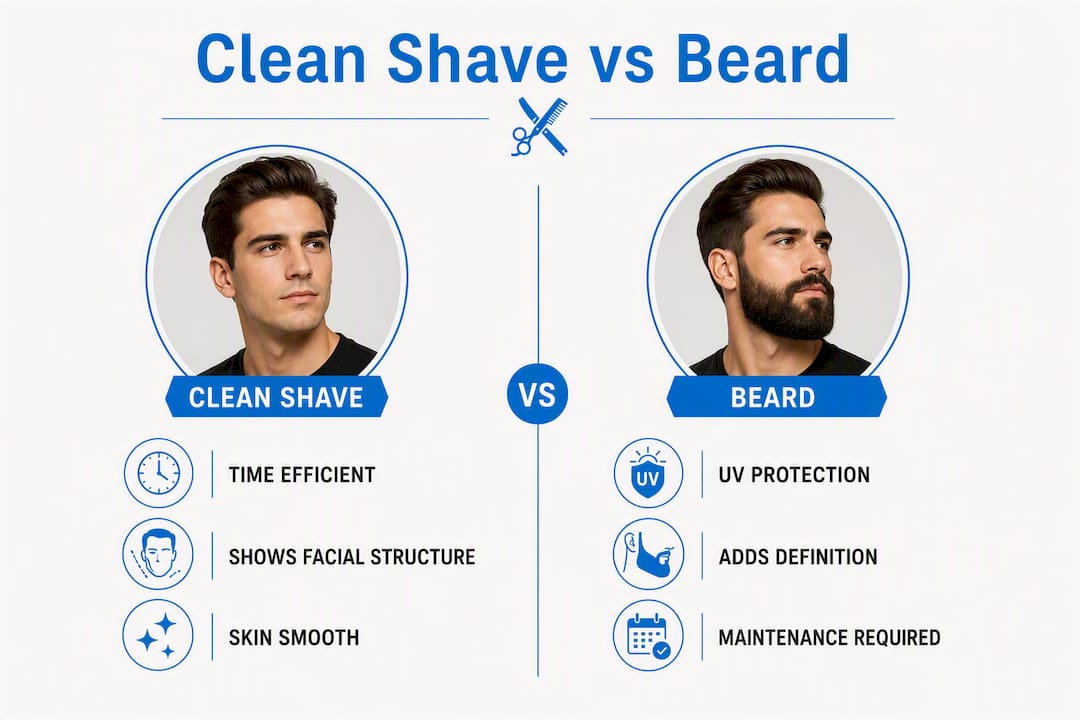
A beard does more than fill in your lower face. It reshapes your perceived identity. Men with beards are consistently rated as more mature and authoritative than their clean-shaven counterparts, and a well-shaped beard can add jaw definition that no haircut can replicate. If you have a round or softer face, a short-to-medium beard creates the illusion of a stronger chin without any cosmetic intervention.
Beards also provide real UV protection for the skin beneath them. The covered skin on your lower face takes on less sun damage over time, which matters if you spend significant hours outdoors. Beyond sun protection, a beard hides scars, uneven skin tone, and minor blemishes that a clean shave would expose. That’s a practical advantage many men don’t consider until they shave off a beard they’ve worn for years.
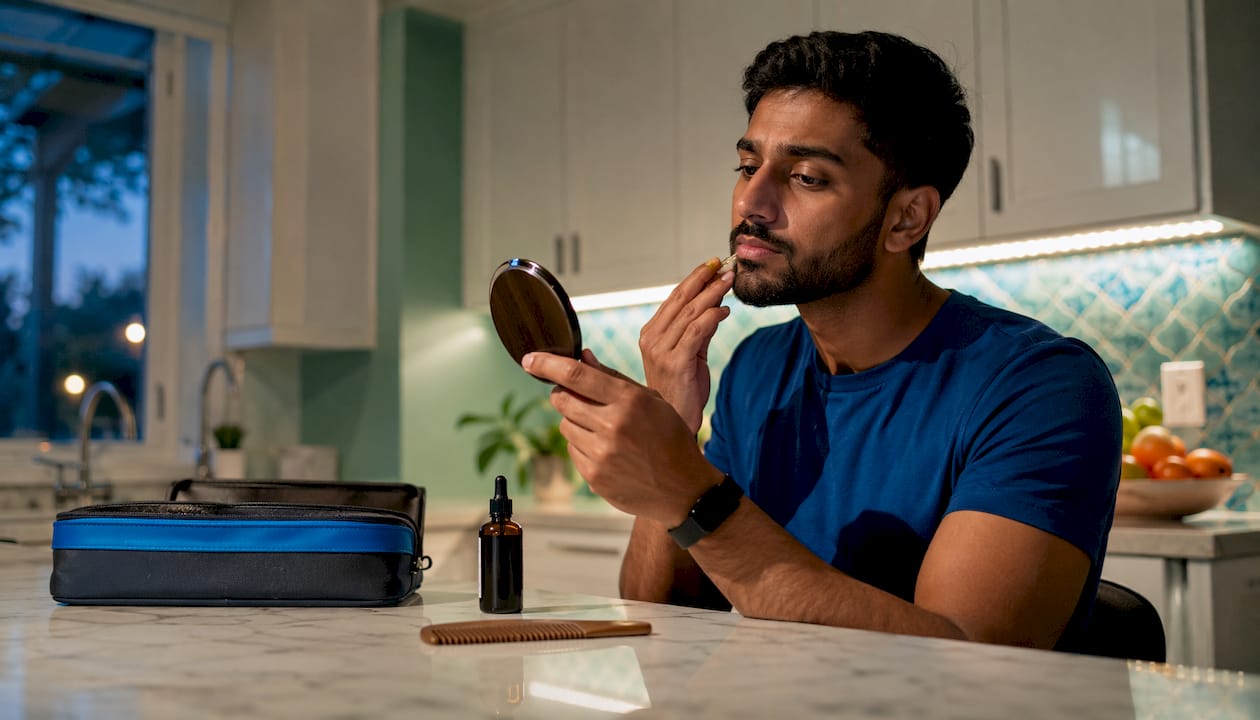
From a daily-effort standpoint, a well-maintained short beard or heavy stubble genuinely takes less time than a daily close shave once it’s established. You’re trimming two or three times a week rather than shaving every morning. The trade-off is that you need to be consistent — a beard that goes untrimmed for two weeks starts to read as neglect rather than style.
Pro Tip: If you’re going for a beard to add jaw definition, keep the neckline tight. A neckline that drifts too low is the single most common reason a beard looks unkempt rather than intentional.
The real costs of wearing a beard (maintenance, hygiene, and perception)
A beard is not a set-it-and-forget-it choice. The maintenance cadence depends on length: short beards need trimming weekly, medium beards every 2–4 weeks, and longer styles benefit from a professional trim every 4–6 weeks. Beard washing should happen 1–3 times per week — enough to clear trapped debris and product buildup without stripping the natural oils that keep skin comfortable.
The hygiene risks are real when maintenance slips. Facial hair traps food particles, sweat, and product residue. Without regular washing and conditioning, you get dryness, itch, and sometimes beard dandruff. None of that is a dealbreaker, but it does mean a beard requires a dedicated routine, not just occasional attention.
Common problems to watch for:
- Weeks 2–4 itch phase: The most common reason men abandon a beard early. It passes. A good beard oil applied daily to the skin beneath the hair cuts the discomfort significantly.
- Patchiness: Genetics determine your growth pattern. The 90-day rule exists because many men who look patchy at four weeks fill in considerably by week ten or twelve.
- Poor edge definition: Undefined cheek and necklines make even a full beard look unfinished. This is where a professional shape-up pays for itself.
- Beard dandruff: Caused by dry skin beneath the hair. Beard shampoo and a conditioning oil resolve it in most cases.
- Perception in some professional contexts: Some research suggests bearded men can be seen as less approachable or less cheerful in certain client-facing roles — worth knowing if you’re in a field where first impressions are high-stakes.
Why a clean shave still wins in certain situations
A clean-shaven face reads as disciplined, youthful, and approachable — qualities that matter in client-facing roles, job interviews, and conservative professional environments. That perception isn’t just anecdotal. Multiple sources converge on the finding that clean-shaven men score higher for perceived hygiene and approachability, even when bearded men score higher for attractiveness and authority.
The skincare argument for shaving is also stronger than most men realize. Shaving acts as mechanical exfoliation, removing dead skin cells with each pass. The result: your moisturizer and SPF absorb more effectively into freshly shaved skin than into skin covered by hair or product buildup. According to Cleveland Clinic dermatologist Dr. Shilpi Khetarpal, shaving also makes skin more sun-sensitive, which is why applying a broad-spectrum SPF 30 or higher after every shave is non-negotiable.
Key stat: Clean-shaven faces consistently score higher for perceived trustworthiness and youthfulness in professional perception studies — a meaningful edge in conservative industries where first impressions carry weight.
Stylistically, a clean shave shows your jawline and facial structure without any filter. If you have strong bone structure, a clean shave lets it do the work. It also pairs cleanly with any hairstyle, from a tight fade to longer textured hair, without competing for visual attention.

The real drawbacks of shaving every day
Daily shaving costs more than most men budget for it. Blades, shaving cream or gel, aftershave, and moisturizer add up month over month. Beyond the product spend, recurring time estimates from industry research show that men who shave daily accumulate significant hours over the course of a year — time that a trimmed beard routine often reduces.
The skin risks are the bigger concern for many men:
- Razor burn: Usually caused by a dull blade, insufficient prep, or shaving against the grain on the first pass.
- Ingrown hairs: More common in men with coarser or curlier hair. The American Academy of Dermatology recommends shaving with the grain on the first pass and rinsing the blade frequently to reduce the risk.
- Chronic irritation: Men who experience persistent razor burn often grow a beard as a reaction rather than a preference — and then discover the beard suits them.
- Appearance trade-offs: A clean shave removes the ability to hide skin imperfections, scars, or uneven tone. It also reads as less masculine or authoritative in contexts where those signals matter.
Pro Tip: Switch to a sharp blade before you blame your skin. A blade that’s past its useful life — typically 5–10 shaves according to Dr. Khetarpal — drags rather than cuts, and dragging is the primary cause of razor burn and bumps.
Grooming tools, routines, and what each look actually costs
Here’s a practical breakdown of what maintaining each look involves in terms of time, tools, and money.
| Factor | Clean Shave | Short Beard / Stubble |
|---|---|---|
| Daily time | 5–10 minutes | 2–3 minutes (touch-up days) |
| Trimming frequency | Daily or every other day | 2–3x per week (stubble); weekly (short beard) |
| Barber visits | Every 3–4 weeks (optional edge work) | Every 2–4 weeks for shape-up |
| Core tools | Razor, shaving cream/gel, aftershave, SPF moisturizer | Trimmer, scissors, beard oil, beard shampoo, comb |
| Starter tool cost | $20–$60 (quality safety razor or cartridge system) | — |
| Monthly consumables | — | $10–$20 (oil, balm, shampoo) |
| Barber visit cost | Varies by shop; straight-razor shave is a premium option | Beard trim pricing varies; professional shaping every 2–4 weeks |
For beard starters, a complete beard grooming kit covering oil, balm, brush, comb, and scissors gives you everything you need to maintain a short-to-medium beard at home between barber visits. The DIY vs. professional question comes down to edge definition: most men can handle daily trimming themselves, but cheek lines and necklines benefit from a trained eye, especially when you’re establishing a new shape.
How to choose: matching your face, job, lifestyle, and skin
The decision isn’t really about trends. It’s about what fits your actual life.
Work through this checklist:
- Workplace standards: Does your employer have a written grooming policy? Some roles in healthcare, food service, or industrial settings require a clean shave for safety or hygiene compliance. HSE guidance is explicit that facial hair can prevent a proper face seal on respirators — if your job involves respiratory protective equipment, a clean shave may not be optional.
- Face shape: Round or square faces often benefit from beard length that adds vertical definition. Longer, narrower faces can look more balanced with a shorter beard or clean shave.
- Hair growth pattern: Check your growth at 2 weeks and again at 4 weeks. Patchiness at 2 weeks is normal. Persistent gaps at 4 weeks may indicate your natural density won’t fill in enough for a full beard — though stubble often works regardless.
- Skin sensitivity: Prone to razor burn or ingrown hairs? A beard removes the daily friction. Prone to dry skin or eczema? A beard can trap irritants and worsen symptoms if not washed regularly.
- Daily time budget: Honest answer only. If you have 5 minutes in the morning, a clean shave with proper prep is tight. A trimmed beard on non-trim days takes under 3 minutes.
The recommended trial plan:
- Days 1–10: Let it grow. Don’t touch it. Assess density and coverage at day 10 — this is the heavy-stubble window that research identifies as the attractiveness peak.
- Days 10–30: Shape the neckline and cheek lines. Decide if you want to continue or return to a clean shave.
- Days 30–90: The 3-month beard rule is an industry guideline for a reason. Full growth patterns only reveal themselves after 90 days. Commit to the full period before judging density or coverage.
Barber perspective: technique, common mistakes, and when to get professional help
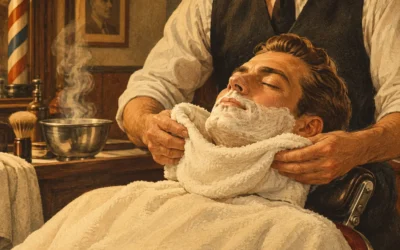
Shaving is a system, not a single action. The irritation most men blame on their skin or their razor is almost always a prep problem. Warm water or a hot towel applied for 60–90 seconds before the blade touches your face softens the hair and opens the follicle. That one step eliminates the majority of razor burn complaints we see at Phillythebarber.
Common mistakes that create problems for both looks:
- Skipping prep: Dry shaving or shaving immediately after waking up, before skin has had time to warm and hydrate.
- Capping the razor wet: Storing a blade in its cap while still wet accelerates rust and bacterial growth. Dry it on a rack or towel, then store it open.
- Trimming without a guide: Freehand neckline trimming without a defined reference point creates uneven lines that are hard to correct without shaving the whole beard down.
- Over-washing the beard: Daily beard shampoo strips protective oils. Twice a week is the right cadence for most men; three times in hot or dusty conditions.
When transitioning from a beard to a clean shave, don’t go straight to the razor on a full beard. Use clippers to bring it down to stubble first, then shave in stages over two days to let your skin adjust. Going the other direction — clean shave to beard — simply requires patience and a good beard oil starting at week two to manage the itch phase. For professional shaping of a new beard or a first straight-razor shave, a barber visit for edge work sets the template you maintain at home.
Pro Tip: For a straight-razor shave, always ask your barber about the benefits of straight razor technique — it delivers a closer result than any cartridge system and doubles as a professional-grade exfoliation treatment.
Key Takeaways
The single most practical decision in the clean shave vs beard debate comes down to your workplace, your skin type, and how much daily time you’ll realistically commit to either routine.
| Point | Details |
|---|---|
| Stubble wins for attractiveness | Heavy stubble ranks highest for attractiveness in multiple studies. |
| Clean shave fits conservative roles | Finance, law, and healthcare still favor clean-shaven looks for perceived trustworthiness and discipline. |
| Beard maintenance is real | Short beards need weekly trimming; medium beards every 2–4 weeks; washing 1–3 times per week prevents hygiene issues. |
| Shaving requires proper technique | Prep, a ~30° blade angle, light pressure, and post-shave barrier products prevent most razor burn and ingrown hairs. |
| Phillythebarber for professional shaping | Book a beard trim, straight-razor shave, or grooming consultation at Phillythebarber to get the right shape from the start. |
What I’ve learned from helping men choose their look
Most men who walk into Phillythebarber asking about a clean shave vs beard aren’t really asking about grooming. They’re asking about identity. They want to know which version of themselves looks more credible, more attractive, or more like the person they’re trying to become. That’s a real question, and it deserves a real answer.
What I’ve found, after more than 20 years behind the chair, is that the men who look best are the ones who commit. A half-grown beard that’s never been shaped looks worse than either a clean shave or a full beard. A clean shave done with a dull blade and no prep looks worse than a beard that’s been neglected for a week. The look matters less than the execution.
In Vesterbro, I see a lot of men in creative and professional roles who want flexibility — a look that works in a client meeting and on a Saturday in the neighborhood. Heavy stubble or a tight short beard, shaped professionally and maintained at home, hits that balance better than anything else. For the men who need a clean shave for work or preference, the straight-razor service changes the experience entirely. It’s not just a shave. It’s a reset.
My advice: try the 10-day stubble window before you decide. Come in for a professional shape-up at that point, and you’ll know within one appointment whether the beard direction is right for you.
Phillythebarber can help you find the right look
Choosing between a clean shave and a beard is easier when you have a professional set the foundation. At Phillythebarber in Vesterbro, Copenhagen, the grooming services are built around exactly this decision.
The shop offers beard trims, straight-razor shaves, hybrid beard-and-shave treatments, and full grooming consultations with Philly, a certified Master Barber with over 20 years of experience. Whether you’re transitioning from a full beard to a clean shave or growing out for the first time, a professional shape-up at the right moment saves you weeks of guessing. The types of beard grooming services available cover every stage, from first-time stubble shaping to ongoing maintenance trims. For product support between visits, the shop also carries beard oils, balms, combs, and professional-grade tools. Book your first consultation or beard trim at Phillythebarber and walk out knowing exactly what your look requires.
Sources and further reading
- Facial hair and attractiveness study (Elsevier) — Research on stubble, full beards, and clean-shaven attractiveness ratings.
- HSE guidance on face fit and respirators — Workplace safety rules requiring a clean shave for respirator seal compliance.
- How To Shave: Steps and Tips (Cleveland Clinic) — Dermatologist-backed shaving technique and blade care guidance.
- Razor bump prevention (American Academy of Dermatology) — Clinical guidance on preventing ingrown hairs and irritation.
- Beard vs No Beard: Pros, Cons, and Perception (ReadySleek) — Social and attractiveness perception research summary.
- Clean Shaven Vs Beard: Which Look Is Right For You? (SharpShaver) — Maintenance cadence, industry perception, and grooming comparison.
- The Benefits of Shaving Your Face (Gillette) — Time and cost data on daily shaving routines.
- Phillythebarber — Beard Trim Process Explained — Step-by-step professional beard trim guidance from the shop.
- Phillythebarber — Straight Razor Shave Benefits — What to expect from a professional straight-razor shave service.
- Phillythebarber — Types of Beard Grooming Services — Overview of professional beard services and what each involves.