Straight Razor Shave Benefits: What Men Need to Know
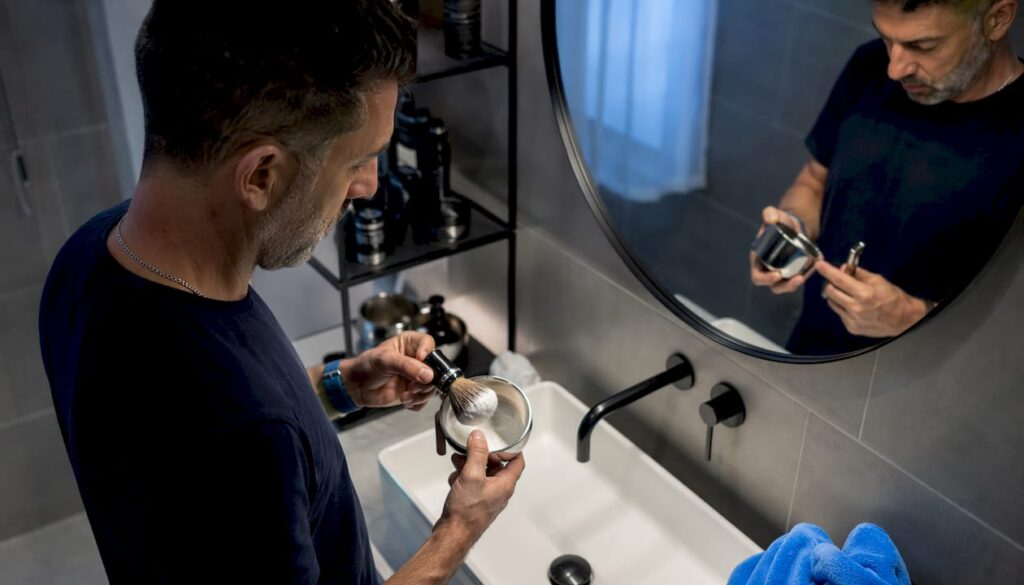
A straight razor delivers the closest, longest-lasting shave available and can meaningfully reduce razor burn and ingrown hairs when your technique is solid. That’s the short answer. The longer one involves a real trade-off: a learning curve, regular maintenance, and a higher upfront cost. Here’s a clear breakdown of what you actually get.
Core benefits at a glance:
- Closest shave of any method, cutting hair right at the follicle exit
- Fewer ingrown hairs and less razor burn, especially for men with coarse or curly hair
- Built-in light exfoliation that improves skin texture over time
- Long-term cost savings once the initial kit is paid off
- Zero plastic waste, unlike disposable cartridge systems
- A focused, meditative ritual that many men find genuinely satisfying
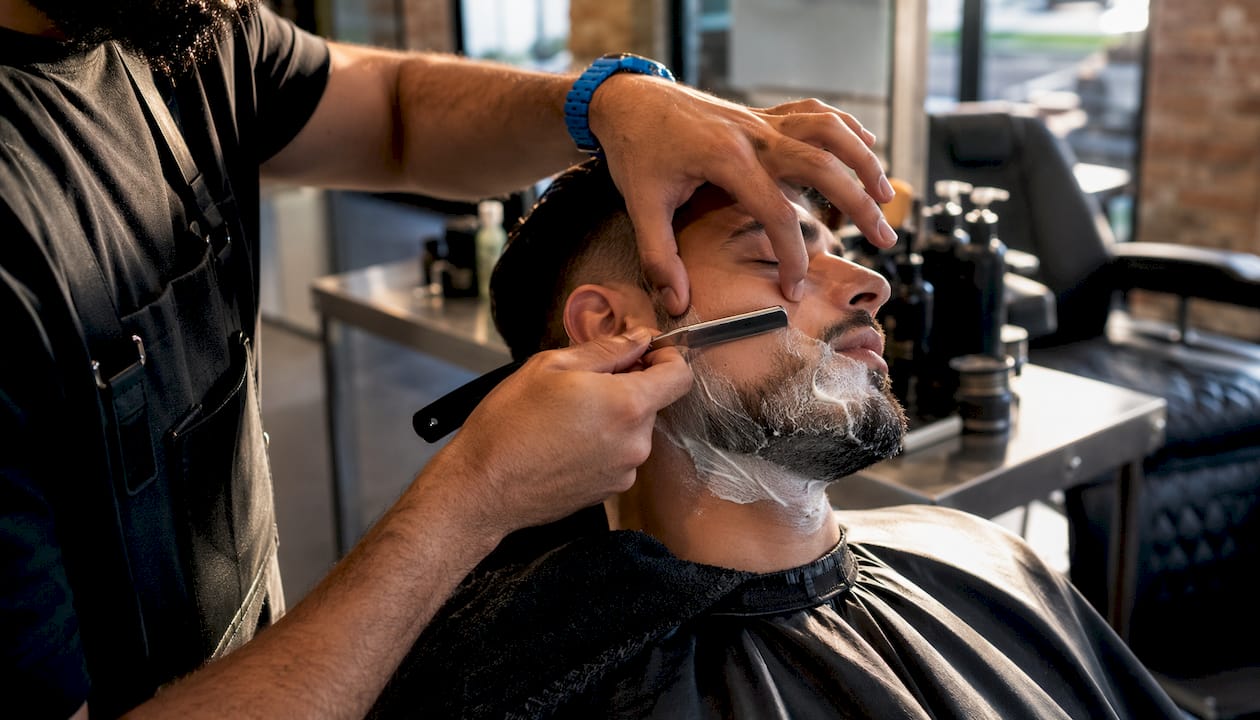
The main trade-offs are the learning curve (expect several weeks of regular practice) and the maintenance routine of stropping and honing. If you’d rather skip the home learning curve entirely, a professional straight-razor shave at a shop like Phillythebarber gives you the full experience with none of the guesswork.
Table of Contents
- Does a straight razor really give you a closer shave?
- How a straight razor improves your skin over time
- What does a straight razor actually cost over time?
- What can you do with a straight razor that other tools can’t?
- What’s the real learning curve, and is it safe?
- How to maintain a straight razor: stropping, honing, and storage
- What gear do you need to get started?
- When should you see a professional barber instead?
- Key Takeaways
- The ritual is the point, not just the result
- Experience a professional straight-razor shave at Philly’s Barber Shop
- Further reading and trusted sources
Does a straight razor really give you a closer shave?
Yes, and there’s measured evidence behind it. A straight razor’s single, exposed blade slices hair precisely at the point where it exits the follicle. Nothing lifts, nothing tugs. The blade angle is entirely in your control, which means it can follow the exact contours of your jaw, chin, and neck rather than pivoting on a fixed head.
Cartridge razors work on a “lift-and-cut” principle: the first blade pulls the hair away from the skin, and the blades behind it cut it. That sounds efficient, but it often means hair is cut slightly below the skin surface. The result is a shave that feels smooth for a few hours and then produces stubble faster, plus a higher chance of ingrown hairs as the cut hair retracts beneath the skin.
A single-blade straight razor slices hair right at the follicle exit, which dermatologists and barbers report minimizes razor bumps and pseudofolliculitis barbae, particularly for men with curly or coarse hair.
A 1979 Dutch comparative study found that straight razors shave hair approximately 0.05 mm shorter than electric razors. That’s a small number with a real consequence: fewer passes needed, less friction on the skin, and a finish that stays smooth noticeably longer.
Electric razors abrade rather than slice, which is why they leave a slight shadow even right after shaving. Cartridges get closer but introduce the multi-blade mechanics described above. The straight razor sits in a category of its own for sheer closeness.
How a straight razor improves your skin over time
The skin benefits are where many men are most surprised. Straight razors often reduce razor burn and ingrown hairs, and they deliver a form of exfoliation that most shaving methods don’t.
Here’s what’s actually happening at the skin level:
- Single-pass cutting removes hair at the surface without pulling it below the follicle line, so regrowth doesn’t get trapped and cause bumps.
- Blade action as exfoliation: the sharp edge removes the thin layer of dead skin cells with each pass, which improves skin texture and unclogs pores over time.
- Less friction overall: one or two passes with a straight razor versus three to five blades dragging across the same area means significantly less redness and irritation.
- Reduced pseudofolliculitis barbae: men with coarse or curly hair who struggle with chronic razor bumps often see the most dramatic improvement when they switch to single-blade technique.
The American Academy of Dermatology recommends wetting and softening hair before shaving, using a quality lather, and shaving with the grain on initial passes. All of this applies directly to straight-razor technique and is what separates a comfortable shave from an irritating one.
Pro Tip: Hold the blade at roughly 20–30 degrees to the skin and let the blade’s own weight do the work. Pressing harder is the most common cause of nicks and irritation. Light pressure, controlled angle, short strokes.
What does a straight razor actually cost over time?
Higher upfront, much lower ongoing. A quality starter kit runs roughly $150–$350, covering the razor, a leather strop, a shaving brush, and shaving soap. After that, ongoing costs drop to about $0.01 per shave, covering only shaving soap, plus occasional professional honing.
| Cost category | Straight razor | Cartridge system |
|---|---|---|
| Initial investment | $150–$350 (kit) | — |
| Per-shave cost | ~$0.01 | — |
| Annual ongoing cost | Minimal (soap, honing) | — |
| Lifespan | Decades with proper care | Cartridges replaced every 1–2 weeks |
The math becomes obvious within a year or two. A man shaving frequently spends a substantial amount annually on cartridges alone. The straight razor’s per-shave cost of approximately $0.01 covers only shaving soap.
Beyond cost, the sustainability difference is significant:
- Cartridge razors generate plastic waste that is nearly impossible to recycle due to mixed materials.
- A straight razor produces zero regular plastic waste, making it the most environmentally responsible shaving option available.
- Shaving soaps typically come in recyclable or biodegradable packaging.
- A well-maintained blade can last decades, even passing between generations.
What can you do with a straight razor that other tools can’t?
Precision is where the straight razor genuinely separates itself from every other option. The long, single blade gives you full visibility of exactly where you’re cutting, and you control the angle completely. That matters most for detailed work.
Practical use cases where a straight razor excels:
- Crisp beard lines and necklines: you can draw a clean, sharp edge that a cartridge with a pivoting head simply can’t replicate.
- Sideburn shaping: the blade length and angle control let you taper and define with surgical accuracy.
- Head shaves: the scalp is a large, sensitive area. A single clean blade pass causes far less irritation than multiple cartridge blades dragging across it.
- Jawline and chin detail: the blade can navigate tight contours without the bulk of a cartridge head getting in the way.
| Method | Closeness | Precision | Skin trauma | Plastic waste |
|---|---|---|---|---|
| Straight razor | Highest | Highest | Lowest (with technique) | None |
| Safety razor | High | Medium | Low | Minimal |
| Cartridge razor | Medium | Low | Medium-High | High |
| Electric razor | Low-Medium | Low | Low-Medium | Low |
The straight razor’s precision is also why barbers reach for it when finishing a haircut. Clean lines around the ears, neck, and beard edges are a straight-razor specialty.
What’s the real learning curve, and is it safe?
Expect a meaningful learning curve. Most men need several weeks of regular practice before they feel genuinely comfortable. The first few shaves will be slower and more cautious than you expect. That’s normal and correct.
A realistic timeline for beginners:
First shave: Go slowly. Shave only with the grain (WTG). Focus on angle and pressure, not speed. Expect the shave to take twice as long as you think it should.
Weeks 2–6: Build muscle memory for angle and stroke length. Add across-the-grain (XTG) passes once WTG feels controlled. Nicks become less frequent.
After 6+ weeks: Against-the-grain (ATG) passes become an option for men who want maximum closeness on specific areas. By this point, technique is largely instinctive.
Safety fundamentals from the American Academy of Dermatology apply directly here: wet and soften hair thoroughly, use a quality lather, keep skin taut with your free hand, and rinse the blade after each stroke. Short, controlled strokes beat long sweeping ones every time.
Who should avoid routine home straight-razor use: men with essential tremor or conditions affecting hand steadiness, or anyone with active skin infections or open acne lesions in the shave area. In those cases, a professional shave is the smarter option.
How to maintain a straight razor: stropping, honing, and storage
Maintenance is regular but learnable. The two core tasks are stropping (edge alignment) and honing (edge sharpening), and they operate on very different timelines.
Step-by-step maintenance routine:
- Strop before and after each shave. Draw the blade spine-first along a leather strop, alternating sides with light, even pressure. This realigns the microscopic edge without removing metal.
- Check the edge periodically. A blade that tugs rather than glides needs honing, not just stropping.
- Hone once or twice per year depending on how often you shave. A barber or professional sharpening service can do this if you’re not ready to learn it yourself.
- Dry the blade completely after every shave. Pat dry, then leave it open to air before storing.
- Store in a breathable case or blade roll. Avoid airtight containers that trap moisture and cause rust.
A straight razor’s edge is microscopically delicate. Stropping realigns it; honing removes metal to re-sharpen it. Striking a hard surface or dropping the razor can fold the edge, which requires professional repair. Never strop a damaged edge. That only makes the damage worse.
Practical maintenance schedule:
- Before/after every shave: strop on leather
- Monthly: inspect edge condition under good light
- Once or twice per year: professional honing or home honing if skilled
- Ongoing: dry thoroughly, store properly, keep away from hard impacts
What gear do you need to get started?
The minimum viable kit for a safe, effective start is smaller than most people assume. You don’t need to spend $500 to find out if this method works for you.
Entry-level kit (roughly $150–$200):
- A straight razor with a hollow or half-hollow grind (more forgiving for beginners than a full-wedge grind)
- A leather strop, at least 2–3 inches wide
- A quality shaving brush (badger or synthetic)
- A shaving soap or cream that builds a dense, slick lather
- A basic honing service budget (send the blade to a professional for the first honing)
What to look for:
- Blade width: 5/8" is the most common starting point. Wide enough for good coverage, narrow enough to maneuver.
- Grind: hollow grinds are lighter and more responsive. Full-wedge grinds are more durable but less forgiving.
- Strop: canvas-and-leather combination strops are practical for beginners.
- Storage: a breathable blade roll or open case, never an airtight box.
Pro Tip: Before buying a home setup, consider getting your blade professionally honed at a reputable shop. A razor that arrives sharp makes the learning curve significantly shorter and safer. Phillythebarber’s grooming products include professional-grade accessories worth checking out.
Shavette razors (straight-razor style handles that use disposable blades) are a lower-cost entry point for men who want to test the technique before committing to a full straight razor. They’re also what most barbers use for sanitation reasons.
When should you see a professional barber instead?
A professional straight-razor shave is the fastest way to experience the full benefits without the home learning curve. Sitting in the chair at a skilled barber’s shop removes every variable that makes home shaving difficult: prep, angle, pressure, and edge condition are all handled for you.
What a professional straight-razor shave adds that you can’t replicate at home early on:
- Hot towel and steam prep: opens pores, softens hair, and makes the blade glide with minimal resistance.
- Expert lather application: the right product density and coverage changes the entire feel of the shave.
- Trained angle control and line-work: years of practice mean the barber reads your face’s contours instinctively.
- Aftercare products: quality post-shave treatment applied immediately seals the result.
- Sanitation: professional-grade sanitation protocols protect your skin in ways that home setups often don’t match.
A professional straight-razor shave also gives you a reference point. After experiencing what the method feels like when done correctly, you’ll know exactly what you’re aiming for at home. That reference is worth more than any tutorial.
Key Takeaways
A straight razor delivers the closest shave of any method and, with correct technique, reduces irritation and ingrown hairs while cutting long-term grooming costs to near zero.
| Point | Details |
|---|---|
| Closeness and precision | A straight razor cuts hair at the follicle exit, measurably closer than electric razors and with more control than cartridges. |
| Skin benefits | Single-blade cutting reduces ingrown hairs and razor burn; blade action provides light exfoliation that improves skin texture over time. |
| Long-term cost | Initial kit runs $150–$350; per-shave cost drops to about $0.01, compared to about $0.30 for disposable cartridges. |
| Learning curve | Expect several weeks of regular practice; start WTG only, add XTG passes after 2–6 weeks, ATG only once technique is solid. |
| Professional option | Phillythebarber offers professional straight-razor shaves with hot towel prep, expert technique, and proper sanitation for men who want results without the home learning curve. |
The ritual is the point, not just the result
There’s something worth saying about why men who adopt straight-razor shaving tend to stick with it, and it’s not purely about the finish. The process demands your full attention. You can’t rush it, you can’t multitask through it, and that forced focus turns a mundane morning task into something closer to a craft practice.
The sensory experience matters too. A hot towel softening your face, the dense lather of a quality shaving soap, the quiet sound of the blade on skin. These details aren’t incidental. They’re what separates a shave from a ritual. Many men describe it as one of the few genuinely meditative moments in a busy day, a few minutes where the only thing that exists is the task in front of you.
The practical outcome reinforces it. You finish with skin that feels genuinely smooth, not just “shaved.” Over weeks and months, the exfoliation effect becomes visible. The craft element, the skill you’re building, adds a layer of satisfaction that no cartridge razor can offer. It’s the difference between consuming a product and developing a skill.
Experience a professional straight-razor shave at Philly’s Barber Shop
If you want the benefits of a straight-razor shave without spending weeks building technique at home, Philly’s Barber Shop is the practical next step. Philly is a certified Master Barber with over 20 years of experience, and the ultimate straight razor shave at Philly’s includes hot towel prep, expert lather application, precision line-work, and professional aftercare. Every shave uses sanitized blades and a technique refined over two decades of professional practice.

This is also the smartest way to decide whether home straight-razor shaving is right for you. One session gives you a clear reference point for what the method feels like when it’s done correctly. You’ll leave knowing exactly what you’re aiming for, and whether the home learning curve is worth pursuing. For men who want to explore the full range of grooming services, the full-service grooming experience at Philly’s pairs the straight-razor shave with beard trims, haircuts, and personalized consultations. Book your appointment online and come in ready to experience what traditional barbering actually feels like.
Further reading and trusted sources
- American Academy of Dermatology: How to shave — Dermatologist-backed shaving prep and technique guidance applicable to straight-razor use.
- Straight razor — Wikipedia — Covers the 1979 Dutch closeness study, maintenance principles, and the straight-razor resurgence.
- Men’s Health: An argument for straight razor shaving — Barber and dermatologist perspectives on single-blade benefits for men with coarse or curly hair.
- SharpShaver: Benefits of using a straight razor — Cost comparison data, exfoliation benefits, and per-shave cost analysis.
- Quality Barber College: Why do barbers use a straight razor? — Professional barber sanitation protocols and the case for disposable shavette blades in a shop setting.
- The Spot Barbershop: Straight razor shave — what to know — Practical guide on what to expect from a professional straight-razor shave before trying it at home.
- Philly’s Barber Shop: The ultimate straight razor shave in Vesterbro — Service details, prep, and booking for a professional straight-razor shave at Philly’s.