Traditional Barbering Techniques in a Modern Copenhagen Shop
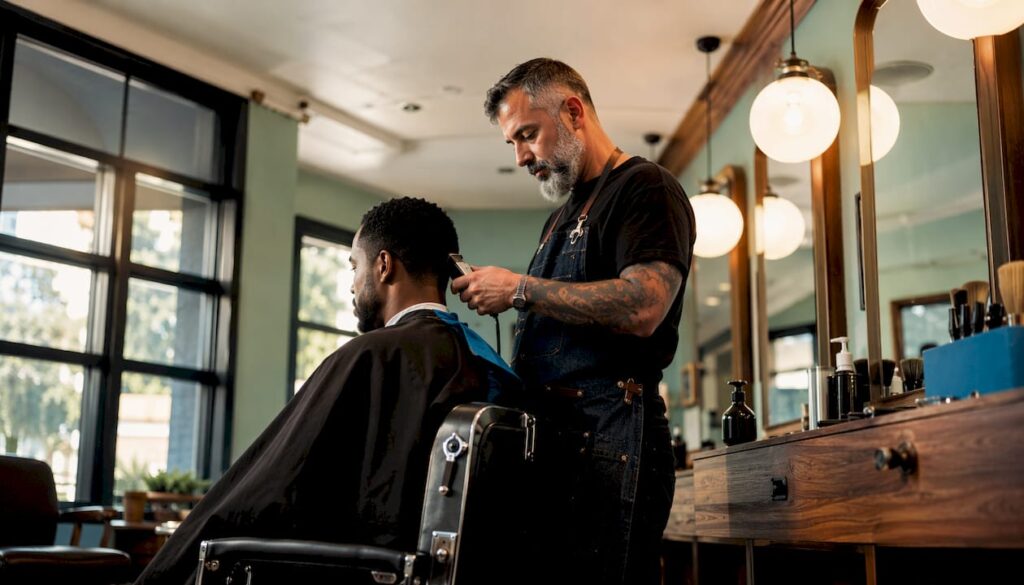
Traditional barbering techniques remain useful because they give a barber different ways to control length, weight and outline. Scissors, clippers and razors are tools for particular tasks. A good result comes from choosing and combining them for the person in the chair, rather than treating one method as automatically superior.
Scissor-over-comb and clipper-over-comb
In scissor-over-comb work, a comb lifts and positions the hair while scissors cut along it. Clipper-over-comb uses a similar approach with clippers. Both can help shape the sides and back while allowing adjustments to the head’s contours.
As a customer, you do not need to prescribe every technical step. Explain whether you want a soft outline, close sides or more fullness. Let the barber discuss which approach can create that finish with your hair.
Blending and texture
Blending connects areas of different lengths. Texture work changes how the ends and weight sit within the shape. Neither guarantees that a haircut will last a fixed number of weeks or eliminate the need for styling. Your hair’s growth pattern, length and routine all affect the result.
If your previous haircut became bulky in one area, mention it during the consultation. A photograph of the grown-out cut can be as useful as a photograph taken immediately after your appointment.
Classic shaving and beard detail
A straight-style razor can be used for shaving and detailed edges. Beard scissors and trimmers help establish length and shape. Ask for the service you want rather than assuming every haircut includes beard work or a full razor finish.
At Philly’s, a classic shave includes warm towels, pre-shave oil, shaving cream, balm and facial massage. A beard trim retains and shapes facial hair. Check the menu for the separate appointment types, durations and prices.
Traditional methods can work with modern styles
A textured crop, a side part and a fade may involve a different balance of scissor and clipper work. Using electric equipment does not make a cut less considered. Equally, a vintage interior or traditional tool does not, by itself, establish the quality of the service.
Look for examples of work you like and a consultation that takes your preferences seriously. Ask how to style the haircut and what will change as it grows. These are more useful questions than whether a shop follows an imagined old-school rulebook.
Build a useful conversation with your barber
Explain what you liked after your last visit and what was harder to manage. Mention whether you want a change or simply maintenance. Returning feedback helps the next appointment reflect your actual experience at home, without requiring you to know the name of every cutting technique.
Visit Philly’s Barber Shop on Vesterbro
Philly has worked as a barber since 2001. Visit the shop at Oehlenschlægersgade 35, 1663 Copenhagen V. See the current haircut, fade, beard-trim and shaving menu, book an appointment, or read the visiting FAQs. English-speaking and Danish-speaking customers are welcome.