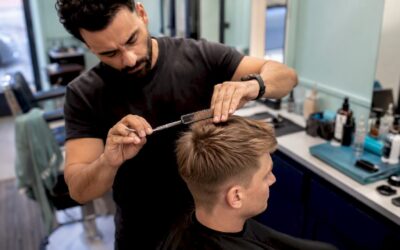
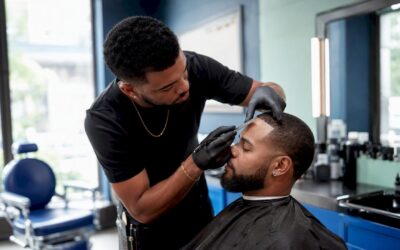
Regular Beard Maintenance Benefits Every Man Should Know
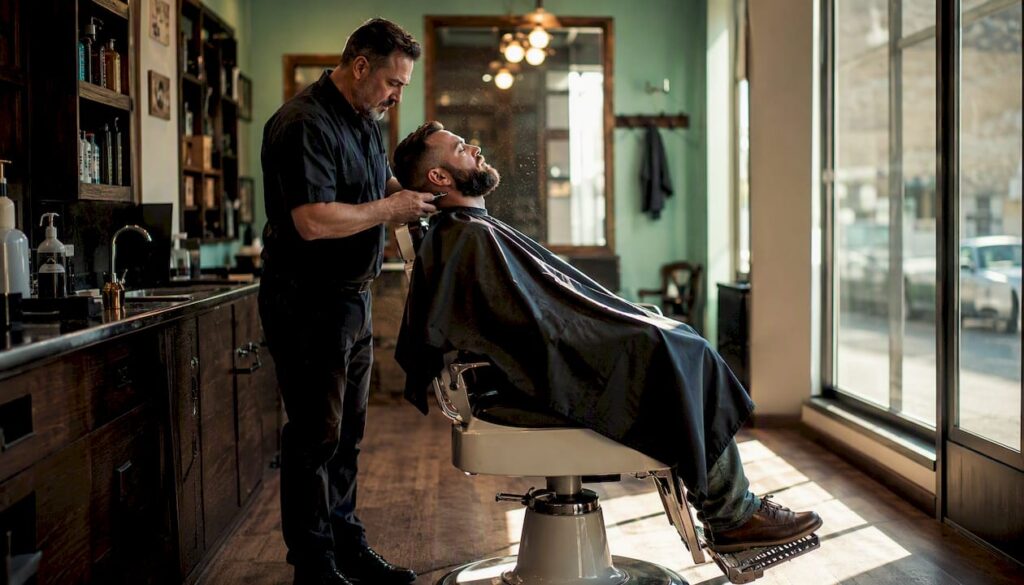
Regular beard maintenance keeps your skin healthy, cuts down on irritation and infection risk, and makes your beard look and behave the way you actually want it to. That’s the short version. The longer version involves skin protection, better hygiene, a sharper appearance, and a confidence boost that compounds the longer you stick with a routine.
According to dermatologists at University of Utah Health, growing a beard and maintaining it properly reduces shaving-induced microtrauma and conditions like pseudofolliculitis barbae, which is the painful cycle of ingrown hairs and bumps that plagues men who shave daily. That alone is a compelling reason to commit to upkeep rather than neglect.
Here’s what a consistent routine delivers:
- Healthier skin beneath the beard, with less dryness and inflammation
- Reduced risk of bacterial or fungal buildup from trapped sebum and debris
- A softer, more manageable beard with fewer split ends and less itch
- A cleaner, more defined shape that reads as polished in professional and social settings
- Greater confidence from knowing your beard looks intentional, not accidental
Key Takeaways
Regular beard maintenance delivers compounding benefits across skin health, hygiene, and appearance, and the simplest routine, washing 2–3 times per week, applying oil daily, and trimming every 4–6 weeks, captures most of them.
| Point | Details |
|---|---|
| Wash 2–3 times per week | Removes sebum, debris, and bacteria without stripping natural oils from the skin. |
| Apply beard oil daily | Jojoba, argan, or coconut oil applied after washing hydrates skin and softens hair. |
| Trim every 4–6 weeks | Removes split ends, resets shape, and keeps the beard looking intentional rather than overgrown. |
| Address problems early | Beardruff, itch, and ingrown hairs respond well to consistent moisturizing and gentle exfoliation. |
| Phillythebarber for professional resets | A certified Master Barber with 20+ years of experience handles shaping, conditioning, and routine guidance in one appointment. |
Table of Contents
- What are the real benefits of regular beard maintenance?
- How maintenance protects the skin beneath your beard
- How a consistent grooming routine improves your style and confidence
- Your practical beard maintenance routine: daily, weekly, and monthly
- Which products and ingredients actually help your beard?
- How regular upkeep prevents the most common beard problems
- What a master barber does differently, and when you should book one
- What 20 years behind the chair has taught me about beard routines
- A professional beard trim is the best investment in your routine
- Sources
What are the real benefits of regular beard maintenance?
The benefits of regular beard maintenance fall into three clear categories: health, hygiene, and appearance. Each one reinforces the others.
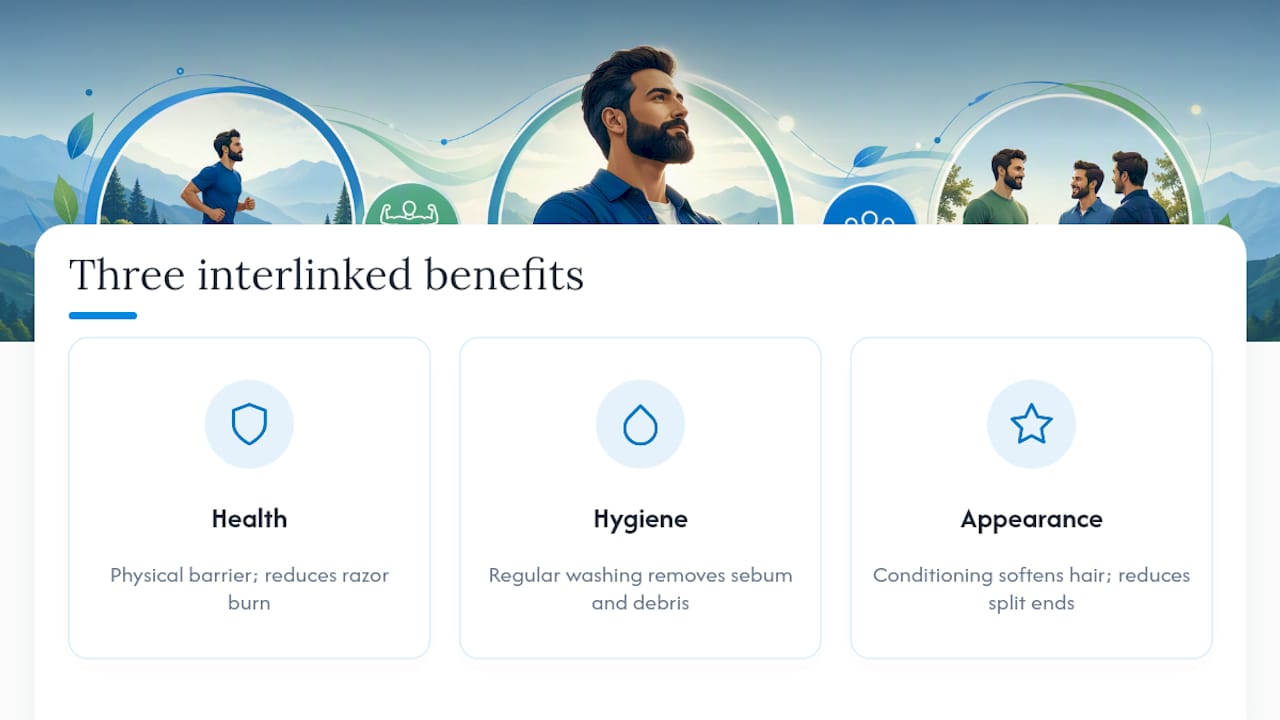
Skin protection. A beard creates a physical barrier between your skin and environmental stressors. Some studies suggest that facial hair can provide measurable UV shielding for covered skin, with denser beards offering more protection, though the effect varies by hair thickness and sun angle. More reliably, skipping daily shaving removes a major trigger for folliculitis and razor burn. Dr. Erika Summers at University of Utah Health notes that men with sensitive skin often see significant improvement simply by letting the beard grow and maintaining it instead of shaving.
Hygiene benefits. A well-maintained beard is not a hygiene liability. Research reviewed by The Conversation finds that beards kept clean carry no greater microbial risk than a clean-shaven face. The risk comes from neglect, not from the beard itself. Regular washing removes trapped sebum, dead skin cells, food debris, and environmental pollutants that accumulate in facial hair.
Appearance and texture. Consistent conditioning and brushing soften coarse beard hair over time, reduce split ends, and create a more uniform texture. The result is a beard that looks intentional rather than overgrown.
Psychological benefits. A grooming routine is a form of self-care with a measurable payoff. Men who commit to beard upkeep consistently report less grooming anxiety and a stronger sense of personal presentation. The routine itself, not just the result, builds confidence.
How maintenance protects the skin beneath your beard
The skin under your beard operates in a different microclimate than the rest of your face. Hair traps heat and moisture, which can accelerate sebum production and create conditions where bacteria and fungi thrive if you’re not cleaning regularly. Dead skin cells accumulate faster in that environment, which is why beardruff (flaking under the beard) is so common in men who skip moisturizing.

Dermatologists recommend washing your beard roughly 2–3 times per week as a baseline. If you have oily skin, sweat heavily, or notice flaking, you can increase frequency. If your skin runs dry and tight after washing, pull back to twice a week and lean harder on a quality beard oil afterward. Daily washing strips the natural sebum your skin produces, which then triggers overproduction and a cycle of greasiness followed by dryness.
Moisturizing is non-negotiable. Beard oil applied to slightly damp skin, within a few minutes of washing, absorbs more effectively than oil applied to dry hair. Keeps notes that oils containing jojoba, argan, and coconut can improve skin hydration and reduce inflammation for some men, with best results when applied right after showering. One caveat: if you’re acne-prone, heavier oils like coconut can clog pores for some skin types. A lighter jojoba-based oil is a safer starting point.
Gentle exfoliation once or twice a week, using a soft beard brush or a mild facial scrub around the beard line, helps clear dead skin before it builds up into visible flaking.
Red flags to watch for: persistent redness or swelling around hair follicles, painful bumps that don’t resolve with better hygiene, or patchy flaking that doesn’t respond to moisturizing. These can signal folliculitis, seborrheic dermatitis, or a fungal condition. A dermatologist visit is the right call when home care isn’t moving the needle after two to three weeks.
Pro Tip: Apply beard oil while your skin is still slightly warm and damp from washing. The hair shaft is more porous at that point, and the oil penetrates deeper rather than just coating the surface.
Understanding how beard skin care differs from regular facial care is worth a few minutes of your time. The skin beneath facial hair has different hydration needs and responds differently to products than the rest of your face.
How a consistent grooming routine improves your style and confidence
Shape and symmetry are what separate a maintained beard from an overgrown one. A clean neckline, defined cheek line, and proportional length relative to your face shape create a polished look that registers immediately in professional and social contexts. Men in client-facing roles often find that a well-shaped beard reads as more put-together than a clean shave, particularly when the neckline and edges are crisp. The connection between grooming and career perception is real and documented.
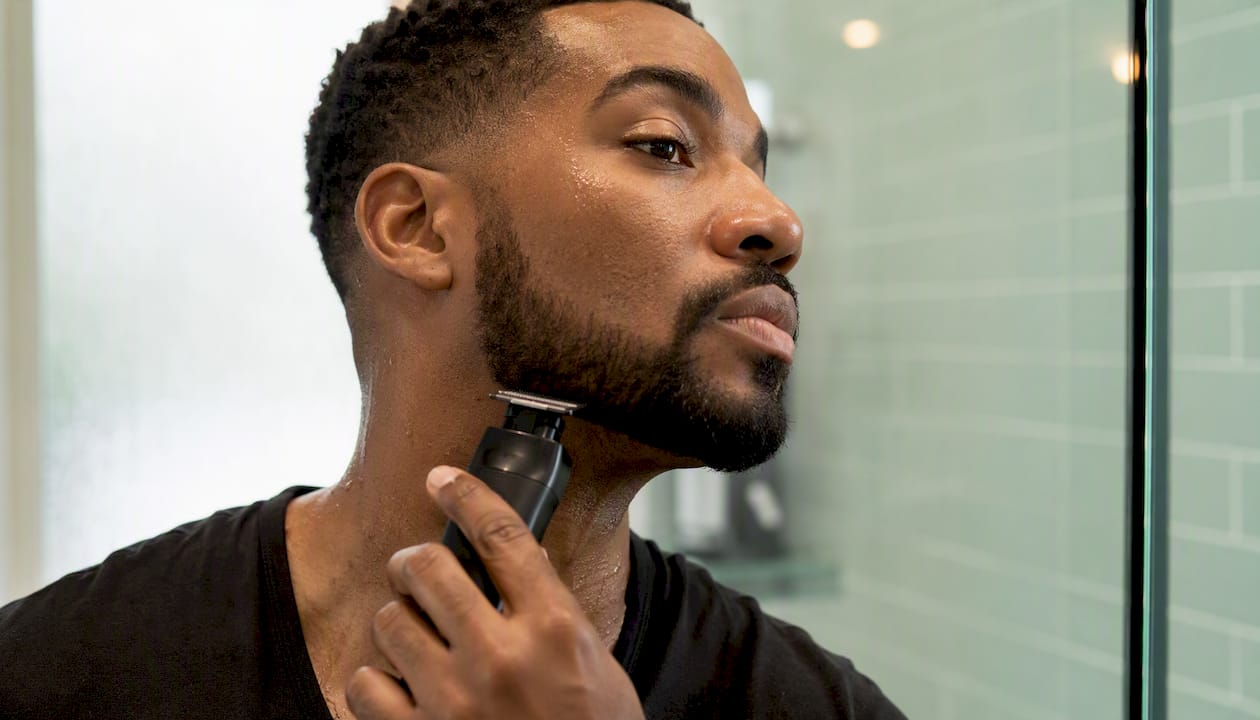
Texture matters as much as shape. Regular brushing with a boar-bristle brush distributes natural oils from root to tip, which softens coarse hair and adds a natural sheen. Conditioning treatments do the same thing more intensively. After four to six weeks of consistent oil and brush use, most men notice a clear difference in how their beard feels to the touch and how it lies against the face.
Style matching is worth thinking about deliberately. A short, corporate-length beard (roughly half an inch) needs clean edges and weekly maintenance to look intentional. A longer, more casual beard tolerates more length variation but demands more conditioning and detangling to avoid a matted appearance. Neither style works without upkeep.
Quick style wins you’ll notice within the first month of a consistent routine:
- Fewer stray hairs poking out from the beard line
- A cleaner, more defined neckline that frames the jaw
- Reduced patchiness as moisturized follicles produce more uniform growth
- Softer texture that makes the beard look fuller and healthier
- Better beard definition when you apply a small amount of balm to shape
Your practical beard maintenance routine: daily, weekly, and monthly
A good routine doesn’t need to be complicated. Here’s how to structure it.
Daily (5 minutes):
- Quick rinse with water if you didn’t wash that day
- Pat dry with a clean towel, never rub
- Apply 3–5 drops of beard oil to slightly damp skin, work from skin outward
- Comb or brush through to distribute oil and detangle
- Check neckline and trim any obvious strays with a trimmer
Weekly:
- Full beard wash with a dedicated beard shampoo
- Follow with a conditioner or beard softener, leave on for 2–3 minutes
- Thorough detangling while conditioner is in
- Spot trims to maintain shape between professional visits
- Beard mask or deeper conditioning treatment if your beard runs dry or coarse
Monthly:
- Full shape and trim to remove split ends and reset the silhouette
- Evaluate your product lineup (is the oil working? do you need a heavier balm for winter?)
- Book a professional trim if your shape has drifted or you’re attempting a new style
For a single beard-wash session, the sequence matters:
- Pre-wash comb to remove tangles and surface debris
- Wet thoroughly with warm water
- Apply beard shampoo, work into skin and hair, rinse fully
- Apply conditioner from mid-length to tips, leave 2 minutes, rinse
- Towel-pat dry, never rub
- Apply beard oil while still slightly damp
- Comb through from skin outward
Tools worth having: a boar-bristle beard brush for daily distribution, a wide-tooth comb for detangling, a quality trimmer with adjustable guards for home maintenance, and barber scissors for precision work. Phillythebarber carries beard oil, combs, brushes, and professional-grade accessories in-shop if you want vetted options without the guesswork of online shopping.
Men’s grooming best practices go beyond just the beard, but the beard routine is often the anchor habit that makes the rest of a grooming regimen stick.
Which products and ingredients actually help your beard?
The product market for beard care is crowded, and a lot of it is noise. Here’s what the evidence and barber experience support.
Ingredients worth seeking out:
- Jojoba oil: Structurally similar to human sebum, absorbs without clogging pores, and works well for most skin types including acne-prone
- Argan oil: Rich in vitamin E and fatty acids, adds softness and sheen, particularly effective for coarse or brittle beard hair
- Coconut oil: Deeply moisturizing but comedogenic for some skin types; better suited to the hair shaft than the skin directly
- Shea butter: Excellent for sealing in moisture in balms; heavier than oils, so best used in small amounts or for longer beards needing hold
Product categories and when to use them:
- Beard shampoo: Gentler than regular shampoo, pH-balanced for facial skin. Use 2–3 times per week.
- Beard conditioner or softener: Follows the shampoo; reduces friction, adds softness, prevents split ends.
- Beard oil: Daily moisturizer for skin and hair. Lightweight, absorbs quickly.
- Beard balm: Heavier than oil, provides light hold for shaping. Better for medium to long beards.
- Dandruff-specific formulas: If you have persistent flaking under the beard, AskMD Sharecare recommends products containing zinc pyrithione or selenium sulfide, which target the fungal component of seborrheic dermatitis.
Ingredients to avoid: alcohol-heavy formulas that dry out the skin, harsh sulfates (sodium lauryl sulfate) in shampoos that strip natural oils aggressively, and heavy waxes that build up on the hair shaft without washing out cleanly.
Add a balm if your beard is longer than two inches or you need light hold. Add a conditioner or mask if you’re dealing with dryness or coarseness. Men’s skin under a beard has specific needs that regular facial moisturizers don’t always address, which is why dedicated beard products tend to outperform general skincare on this front.
How regular upkeep prevents the most common beard problems
Most beard problems are preventable. The ones that aren’t are at least manageable with the right routine.
Beardruff (beard dandruff): Caused by dry skin, infrequent washing, or a fungal imbalance. Prevented by consistent moisturizing and washing. If it persists despite good hygiene, a dandruff-specific shampoo with zinc pyrithione is the next step.
Beard itch: Most common in the first few weeks of growth as hair curls back toward the skin, and again when the skin dries out. Regular oil application and gentle exfoliation resolve most cases.
Ingrown hairs: Happen when shaved or trimmed hair curls back into the follicle. Proper trimming technique (trimming with the grain, not against it), regular exfoliation, and keeping skin moisturized reduce frequency significantly.
Folliculitis: Bacterial infection of the hair follicle, presenting as red, tender bumps. Often triggered by trapped bacteria from sweat, dirty tools, or over-touching the beard. Clean your trimmer blades regularly, wash your hands before touching your face, and don’t share grooming tools.
When to see a professional: if you have painful, spreading bumps that don’t clear up in a week; persistent patchy hair loss in the beard area; or flaking and redness that doesn’t respond to moisturizing and dandruff shampoo after three weeks. These warrant a dermatologist visit, not another product purchase.
What a master barber does differently, and when you should book one
Home maintenance handles the day-to-day, but there are situations where a professional barber delivers results you simply can’t replicate with a mirror and a trimmer.
Book a barber when:
- You’re attempting a new beard shape or style for the first time
- Your growth is uneven and you need a professional eye to work with your natural pattern
- Split ends have accumulated to the point where a full reset is needed
- You’ve been maintaining at home for 6–8 weeks and the shape has drifted
- You want a conditioning treatment that goes deeper than your home products
What to ask at the chair: Tell your barber your target length, your daily routine, and any recurring problems (itch, flaking, ingrown hairs). A good barber will adjust the trim to your growth pattern and give you product recommendations tailored to what they see, not what a generic blog suggests. Knowing how to prepare for a barber visit makes the appointment more productive and the results last longer.
At Phillythebarber, the beard trim service includes neckline shaping, cheek line definition, and styling guidance you can replicate at home. The beard trim process is explained in detail so you know exactly what to expect before you sit down.
Pro Tip: In the 48 hours after a professional trim, avoid heavy balms or waxes on the freshly shaped edges. Light oil only. The skin around the neckline is often slightly sensitized after trimming, and heavy product can clog freshly cleared follicles.
Healthline’s dermatologist guidance puts the professional trim cadence at roughly every 4–6 weeks for a full shape reset, with shorter maintenance trims every 7–10 days if you’re keeping a tight, defined style.
What 20 years behind the chair has taught me about beard routines
I’ve worked with thousands of clients over more than two decades as a Master Barber, and the pattern is consistent: the men who commit to a simple, repeatable routine see results that no single product or one-off trim can deliver. It’s not about spending more money or using more products. It’s about showing up for your beard the same way you show up for anything else you care about.
The clients who come in every four to six weeks, wash two to three times a week, and apply oil daily arrive in the chair with beards that are genuinely easier to work with. The shape holds better. The skin underneath is calmer. The hair responds to the trim instead of fighting it. That consistency is what separates a beard that looks good from one that just exists.
At Phillythebarber, we don’t just trim and send you out the door. We talk through your routine, identify what’s working and what isn’t, and make sure you leave with a clear plan for the weeks ahead. That’s the practical side of what 20 years of experience looks like in practice.
A professional beard trim is the best investment in your routine
The grooming routine described above works best when it’s anchored by a professional reset every four to six weeks. Phillythebarber offers beard trims, neckline shaping, conditioning treatments, and full grooming consultations, all delivered by a certified Master Barber with over 20 years of experience.

A beard trim appointment at Phillythebarber runs roughly 30 minutes and covers shape, neckline, cheek line definition, and a styling walkthrough you can replicate at home. The shop also carries beard oil, combs, and brushes in-shop so you can leave with exactly what you need for your daily routine. Explore the full range of beard grooming services to find the right fit, or book a beard trim in Copenhagen and come in with your questions ready.
Sources
The following sources informed the guidance in this article:
- Beard Health: How to Care for Your Facial Hair | University of Utah Health
- Beard Maintenance: 12 Do’s and Don’ts
- Beards and microbes: what the evidence shows
- Beard care tips | Keeps
- Facial hair grooming habits every man should know | AskMD Sharecare
This article is general information, not a substitute for advice from a qualified doctor. Consult a qualified healthcare professional about your own circumstances before acting on anything here.