The Scandinavian Grooming Style: A Barber’s Guide
Scandinavian grooming style is a minimalist, texture-forward approach to men’s hair and beard care built on effortless precision — clean lines, natural movement, and a restrained product philosophy that makes you look well-groomed without looking like you tried too hard. According to SUITCASE Magazine, the hallmark of this aesthetic is exactly that: effortless. The core elements break down like this:
- Haircut shape: soft tapers, textured tops, and natural movement rather than stiff, heavy-product finishes
- Beard approach: clean shave, short controlled stubble, or a neatly trimmed medium beard with defined edges
- Skin and fresh-faced appearance: simple, consistent skincare as part of the overall look
- Product philosophy: high-quality, natural-ingredient products used sparingly
Walk into a barbershop with this brief and you should leave with a cut that looks sharp on day one and still reads as intentional on day five.
Key Takeaways
The Scandinavian grooming style delivers its best results when precision cutting, a consistent skincare routine, and minimal product use work together as a single system.
| Point | Details |
|---|---|
| Core aesthetic | Minimalist, textured, and natural-looking — effortless precision over heavy product or stark fades. |
| Visit cadence | Short textured cuts need a refresh every 3–6 weeks; medium styles hold for 4–8 weeks. |
| What to request | Name the cut, specify soft taper and matte finish, and bring front, profile, and texture photos. |
| Product philosophy | One or two natural-ingredient products applied sparingly; matte clay and sea-salt spray cover most needs. |
| Phillythebarber | Precision haircuts, beard trims, and straight-razor finishes by a Master Barber with 20+ years of experience in Copenhagen. |
Table of Contents
- What defines the Scandinavian grooming aesthetic?
- Which haircuts and beard styles fit the Scandinavian look?
- How barbers create the Scandinavian look in the chair
- How often should you visit the barber, and what does an appointment include?
- What to tell your barber: a quick appointment checklist
- A simple at-home routine that keeps the look sharp
- Why a specialist barber makes the difference for this style
- What most men get wrong about the Scandinavian approach
- Book your Scandinavian grooming session at Phillythebarber
- Sources
What defines the Scandinavian grooming aesthetic?
The clearest way to understand this style is to contrast it with what it is not. It is not a high-shine, heavily pomaded look. It is not a skin-fade so stark it reads as theatrical. NLS Norwegian describes the approach as genuinely holistic: skincare, hair, beard, and styling form one consistent, low-intervention system.
- Texture over stiffness: Internal layering and point cutting create movement that holds without product weight. Matte finishes dominate; glossy, wet-look products rarely appear in this aesthetic.
- Clean lines, restrained fades: Precision matters, but the contrast between lengths stays soft. A low taper reads as Scandinavian; a bald fade to the skin does not.
- Beard proportion: Short stubble to a medium trimmed beard, always with a defined neckline and a cheek line that follows natural growth rather than a carved-in geometric shape.
- Fresh-faced skin: A moisturized, even complexion is part of the look. Redness, dryness, and flaking undercut the whole aesthetic.
- Minimal product: One or two well-chosen products, applied lightly. The goal is to enhance natural texture, not replace it.
Pro Tip: If your hair still looks styled after sleeping on it, you have used too much product. The Scandinavian look should feel like your hair on its best natural day.
Which haircuts and beard styles fit the Scandinavian look?
OnPointFresh’s Stockholm style guide and Modern Gentleman Magazine’s Scandinavian haircut roundup both point to a consistent set of go-to cuts. Here is how each one maps to face shape and hair type:
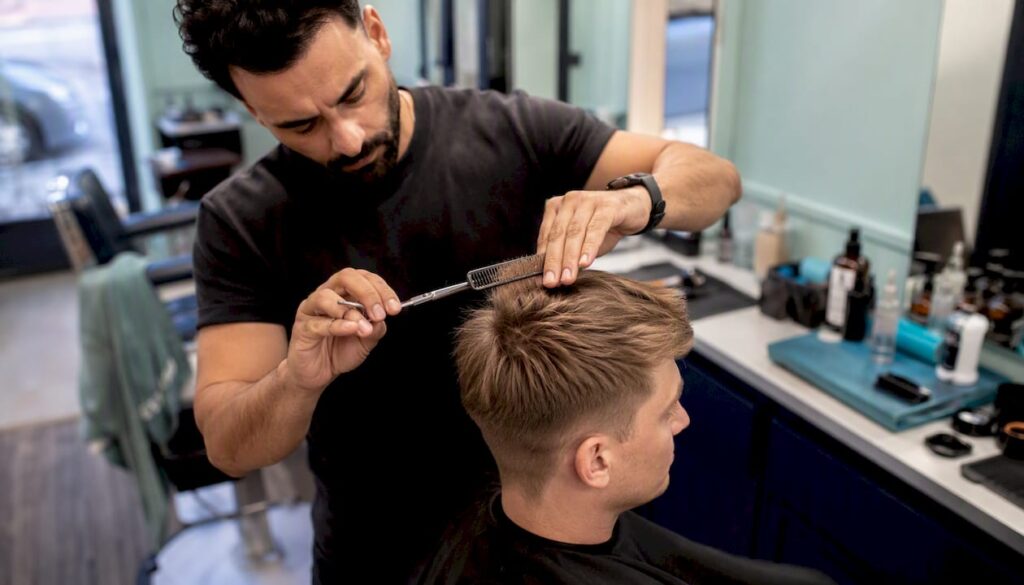
- Short taper with textured top: Works best on thicker hair and suits oval or square faces. The sides stay tight but not shaved, and the top carries visible texture through point cutting. A strong professional-environment choice.
- Textured middle part / curtains: Suits medium-length hair with a natural wave or slight body. Softer facial features benefit most from this cut because the center part adds symmetry. Low daily maintenance once the shape is set.
- Messy fringe with clean sides: A round face gains height and visual length from this style. The fringe sits forward with natural texture rather than being blow-dried back, and the sides are clipped to a low taper.
- Longer natural flow or tied-back medium hair: Wavy or naturally textured hair carries this well. It reads as casual-professional and suits men who prefer less frequent visits. The key is keeping the ends healthy and the shape intentional.
On the beard side, pairing matters. A clean shave or very short stubble (1–3 mm) balances longer hair and softens a strong jaw. Short-to-medium trimmed stubble (3–10 mm) suits most face shapes and is the most versatile Scandinavian beard choice. A fuller trimmed beard works well with shorter hair, provided the neckline stays clean and the cheek line is natural rather than carved.
How barbers create the Scandinavian look in the chair
The technique side of this aesthetic is where a skilled barber earns the result. Here is the sequence a well-trained barber follows:
- Consultation and wet assessment: The barber checks natural growth patterns, cowlicks, and hair density before a single cut. Scandinavian styling works with the hair’s natural behavior, so understanding it first is non-negotiable.
- Point cutting on top: Rather than blunt horizontal cuts that create weight, the barber angles the scissors into the hair to remove bulk and build movement. This is what gives the textured top its lived-in quality.
- Internal layering: Layers are cut below the surface, preserving the perimeter shape while reducing density. The result is hair that moves without looking thin.
- Soft clipper taper on the sides: A 0–3 mm range on the clipper, blended gradually upward. The goal is a fade that disappears rather than one that announces itself.
- Scissor-over-comb beard shaping: The barber uses a comb as a guide and scissors to shape the beard, keeping the outline natural. Neckline definition is done last, usually with a straight razor or detail trimmer for a clean finish.
In-shop styling finishes lean on matte clays, sea-salt sprays, and light pomades, all applied to damp or towel-dried hair. A brief blow-dry with a diffuser or a round brush adds volume without stiffness. The barber then works the product through with fingers rather than a comb, which preserves the texture rather than flattening it.
How often should you visit the barber, and what does an appointment include?
Visit cadence depends on the cut’s intensity. Short textured tapers need a regular refresh every few weeks to keep the taper clean. Medium textured styles, including curtains and longer tops, hold their shape for several weeks before the outline starts to blur. Beard-only trims can extend a haircut appointment’s freshness by a few weeks.
A typical appointment at a quality barbershop covers:
- Consultation (5 minutes): You describe the look, show reference photos, and the barber assesses your hair texture and growth pattern.
- Haircut (20–40 minutes): Cut, taper, and texture work, including a blow-dry and light styling.
- Beard trim and shaping (10–20 minutes): Scissor shaping, neckline definition, and a straight-razor finish on the edges.
- Styling and product guidance (5 minutes): The barber applies a finishing product and walks you through what they used and why.
Pricing follows a straightforward tier structure. A basic trim sits at the entry level; a full haircut plus beard service lands in the mid tier; a premium package that includes a straight-razor finish, hot towel, and product consultation sits at the top. Expect a full Scandinavian grooming appointment to run 45–75 minutes total.
What to tell your barber: a quick appointment checklist
Walking in with a clear brief saves time and gets you a better result. Use this structure:
Your one-sentence brief: “I want a clean, textured [cut name] with a soft taper on the sides and a natural finish — no heavy product, no high shine.”
Then cover these specifics:
- Bring two or three photos: One front-facing, one profile, and one close-up of your hair texture. The front photo shows the overall shape you want; the profile shows the taper length; the texture photo helps the barber understand how your hair will actually behave.
- Mention your hair history: Previous color treatments, chemical relaxers, or a recent buzzcut all affect how the hair responds to texturizing cuts.
- Flag any cowlicks or growth quirks: A strong crown cowlick changes how the top can be styled. Tell the barber upfront rather than discovering it mid-cut.
- Ask about upkeep: “How often should I come back to keep this looking right?” A good barber will give you a specific cadence, not a vague answer.
- Ask about daily styling time: The Scandinavian look should take under three minutes at home. If the barber’s recommended routine sounds longer, ask for a simpler version.
Science Norway’s archaeological research confirms that historical Nordic hair and beard styles varied widely across periods, so if you are drawn to a longer or more rugged look, tell your barber you want a modern Scandinavian interpretation rather than a Viking-inspired style. The two aesthetics pull in different directions.
A simple at-home routine that keeps the look sharp
The Scandinavian approach at home mirrors the in-shop philosophy: fewer steps, better products, consistent habits.
Daily routine:
- Rinse or gently cleanse hair with a sulfate-free shampoo (2–3 times per week, not daily).
- Apply a lightweight moisturizer and SPF to your face every morning.
- If you have a beard, work a few drops of beard oil through it after washing. Natural-ingredient oils with argan or jojoba base absorb without greasiness.
- Towel-dry hair to about 80% dry, apply a small amount of sea-salt spray or a light leave-in, then finger-style. Finish with a pea-sized amount of matte clay if you need more hold.
Weekly care:
- Use a gentle clarifying shampoo once a week to remove product buildup.
- For medium or longer hair, follow with a lightweight conditioner or leave-in treatment.
- Brush the beard with a natural-bristle brush to distribute beard oil evenly and train the growth direction.
Product types to keep in your kit: matte clay or wax, sea-salt spray, a light leave-in conditioner, natural-ingredient beard oil or balm, and a natural-bristle brush. For barber-recommended product picks, the men’s hair product guide at Phillythebarber covers the specific formulas worth using.
Why a specialist barber makes the difference for this style
The Scandinavian look is deceptively simple. Getting it wrong is easy — too much thinning and the hair loses body; too sharp a fade and the whole thing reads as a different aesthetic entirely. A specialist barber with real credentials and experience in precision cuts is the difference between a result that holds for six weeks and one that looks off by day three.
At Phillythebarber, Philly is a certified Master Barber with over 20 years of experience, and the shop’s service menu maps directly to what this style requires:
- Precision haircuts with point cutting, internal layering, and soft taper work
- Beard trims and shaping using scissor-over-comb technique and straight-razor neckline definition
- Straight-razor shave finishes for clean edges and a polished result
- Hybrid beard and shave treatments for clients who want a complete grooming session in one visit
- Grooming consultations to match the right cut and beard style to your face shape and hair texture
Every appointment includes a consultation, the cut or service, light styling, and product guidance. Before-and-after portfolio work is available in-shop so you can see the results before you commit to a style.
Pro Tip: Book a consultation-first appointment if you are new to the Scandinavian aesthetic. Fifteen minutes with an experienced barber will save you months of growing out a cut that does not suit your texture or face shape.
For more on what a specialist barbershop cut delivers versus a standard salon visit, that guide breaks down the difference clearly.
What most men get wrong about the Scandinavian approach
Here is the honest truth from behind the chair: the Scandinavian grooming style is not low-effort. It is low-product and low-fuss, but it demands precision at the cut stage. The mistake most men make is assuming that because the look appears effortless, any barber can produce it without a specific brief. They sit down, say “something natural,” and walk out with a generic medium cut that has nothing to do with the aesthetic.
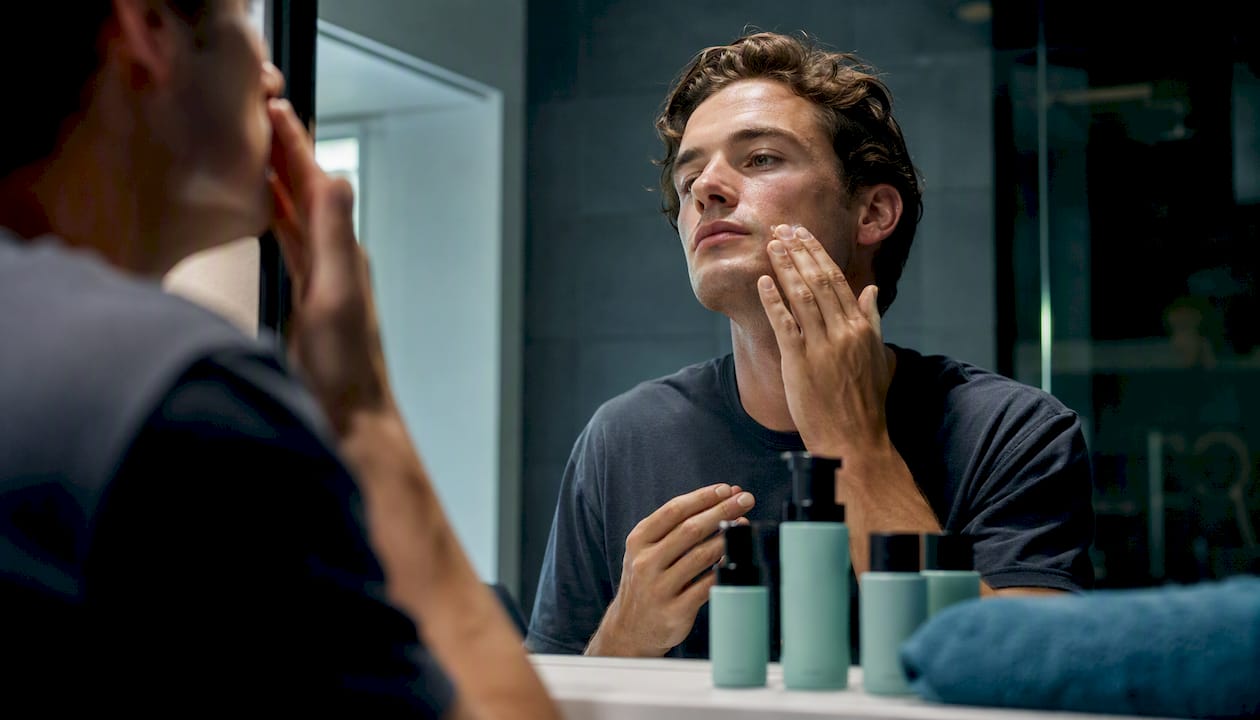
The second mistake is skipping the skincare. Hair and beard work alone will not carry the look if the skin underneath is dry, red, or uneven. The fresh-faced quality is structural to the style, not optional.
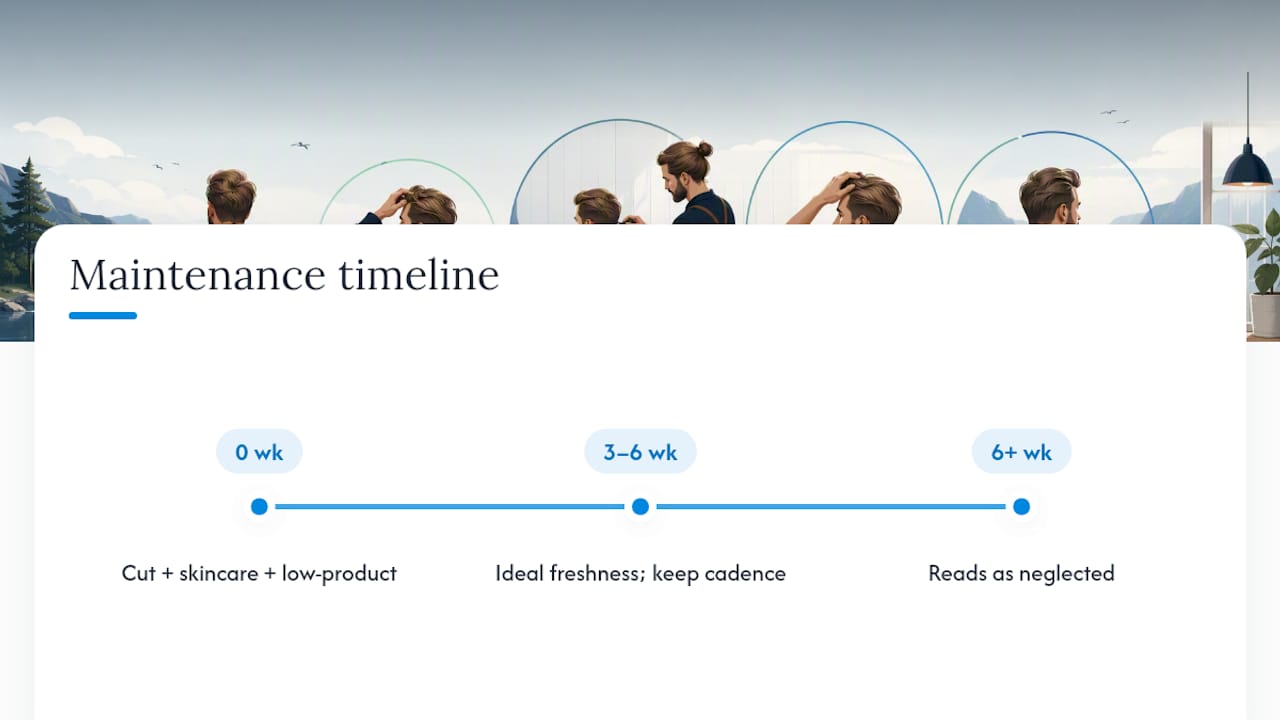
Maintenance is the third gap. A textured taper left for ten weeks stops reading as Scandinavian and starts reading as neglected. The look lives in the 3–6 week window for shorter cuts, and that cadence is worth building into your schedule.
Book your Scandinavian grooming session at Phillythebarber
If you are ready to get the look in person, Phillythebarber in Copenhagen’s Vesterbro neighborhood is the right starting point. The recommended entry service is a precision haircut combined with a beard trim, which covers the two pillars of the aesthetic in a single 45–60 minute appointment. For a more complete experience, the full-service grooming package adds a straight-razor neckline finish, hot towel treatment, and product consultation.
Bring two or three reference photos, mention your hair texture and any growth quirks, and Philly will handle the rest. For beard-focused bookings, the beard trim service page explains exactly what to expect step by step. Book online at Phillythebarber and walk in prepared.
Sources
- How to Live Like a Scandi: Beauty and Grooming | SUITCASE Magazine
- Nordic men: Unveiling Scandinavian masculinity | NLS Norwegian
- Stockholm Style Aesthetic for Men: Scandinavian Outfits and Wardrobe Guide – OnPointFresh
- 40 Best Mens Haircuts Scandinavian Styles