What Does Barbershop Atmosphere Mean for Your Experience
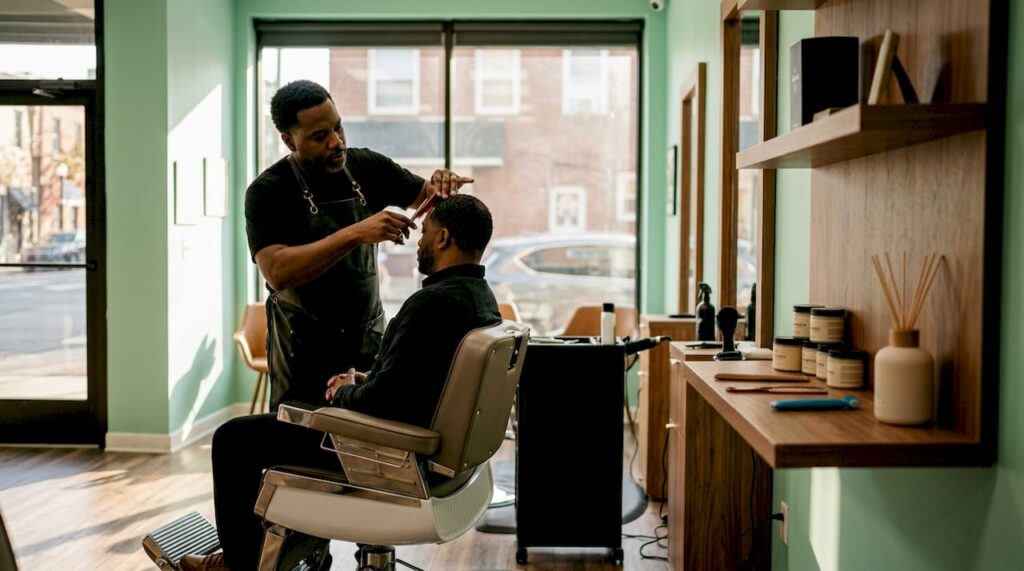
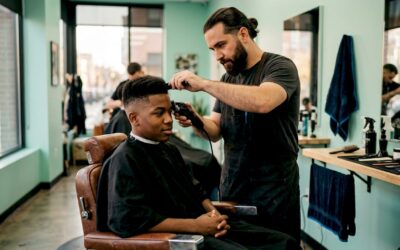
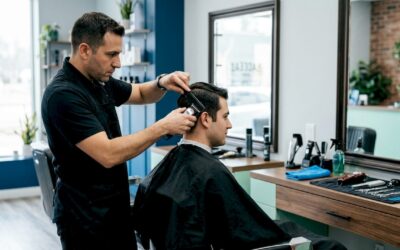
Barbershop atmosphere is the full sensory and social environment a shop creates the moment you walk through the door. It combines interior design, scent, temperature, music, lighting, and the way you’re greeted and served. Together, these elements do something a haircut alone never could: they make you feel like you belong somewhere. A 2022 study described barbershops as “more than a haircut,” identifying them as genuinely supportive spaces where men relax, open up, and leave with renewed confidence.
The core components of barbershop atmosphere include:
- Sensory design: color palettes, lighting temperature, and spatial layout
- Scent and sound: curated music playlists and ambient fragrance
- Service style: warm greetings, personalized attention, and easy booking
- Social environment: the community feel and sense of belonging among clients
- Cultural identity: the values and personality a shop communicates through every detail
What are the core elements that define barbershop ambiance?
Interior color is one of the most immediate signals a shop sends. Dark, saturated tones like navy and burgundy communicate luxury and exclusivity, and clients in those environments tend to be less price-sensitive. Lighter, neutral palettes read as modern and clean. Neither is wrong; the key is that every color choice points in the same direction.
Lighting does double duty. Warm light with lower color temperature creates comfort and pleasantness, while cooler light with higher color temperature increases alertness and perceived cleanliness. Most premium shops layer both: warm ambient light in the waiting area, neutral daylight-balanced light directly over the cutting chair for precision work.
Scent is the most underestimated element in the room. It bypasses the brain’s rational filters and connects directly to emotion and memory. Lavender reduces anxiety, while citrus scents increase alertness and mask chemical odors from products. The goal is a signature scent that becomes part of the shop’s identity, not just a cover for the smell of clippers.
Music sets the pace of the whole visit. Jazz, soul, or lo-fi hip-hop played at conversational volume keeps clients relaxed without drowning out the conversation. Mismatched sensory cues, like a spa scent paired with fast-tempo pop, create subtle discomfort that clients feel but can’t always name.
Pro Tip: Ask a friend who has never visited your shop to walk in cold and describe what they feel in the first 30 seconds. Their answer tells you more about your atmosphere than any checklist.
Temperature is straightforward but often overlooked. A comfortable shop temperature balances client comfort, avoiding extremes that cause tension or discomfort.
Spatial layout shapes how private and comfortable a client feels. Adequate distance between barber chairs reduces the feeling of being watched, which makes clients more willing to talk openly about what they want. Clear circulation paths and a distinct transition from the waiting area to the cutting floor signal that the service has begun.
How does barbershop atmosphere affect men’s mental health and culture?
Barbershops have always been more than grooming stops. The PMC study on barbershops and mental health found that the physical and relational context of a barbershop creates a non-judgmental, relaxed setting where men discuss things they wouldn’t raise elsewhere. One barber in the study described it plainly: “A barbershop is a hub for men where they can relax, unwind, open up and distract themselves from the pressures of life.”
The sensory environment shapes this directly. Research by Bitner shows that a physical space affects a client’s emotional state, their cognitive evaluation of service quality, and their physiological comfort simultaneously. Change the environment and you change how the same haircut feels.
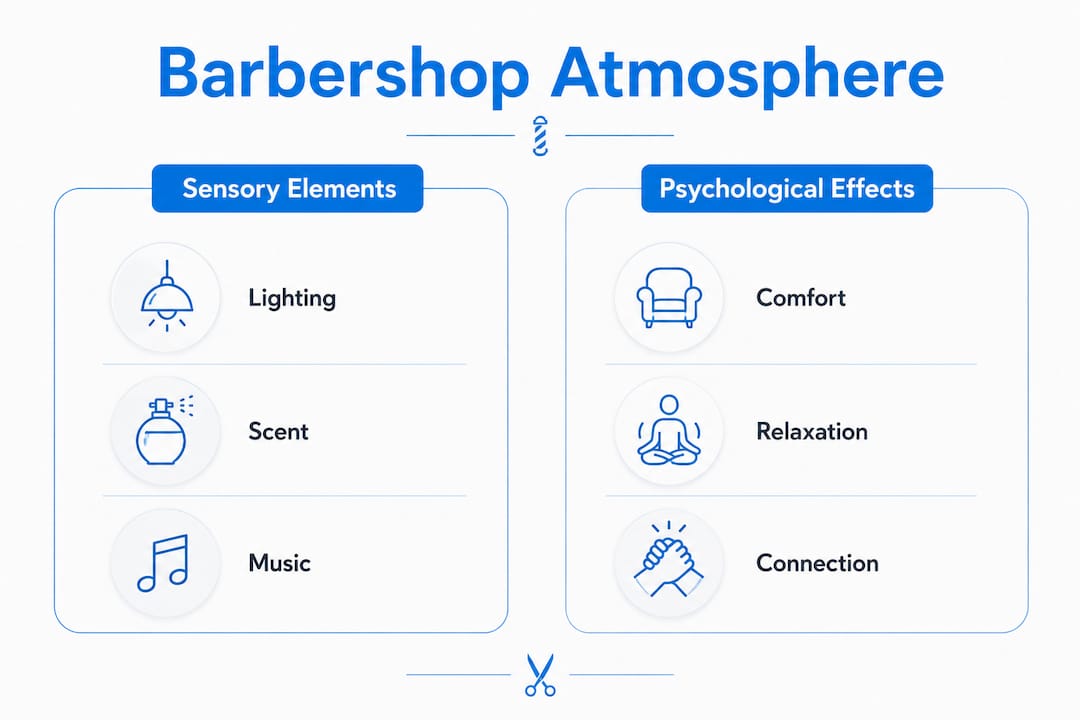
| Atmosphere Element | Psychological Effect | Client Outcome |
|---|---|---|
| Warm lighting | Increases comfort and pleasantness | Longer visits, greater openness |
| Lavender scent | Reduces anxiety | Receptive to add-on services |
| Citrus scent | Increases alertness, masks chemical odors | Energized, positive first impression |
| Adequate chair spacing | Reduces feeling of being observed | More candid style conversations |
| Curated music at low volume | Maintains relaxed pace | Higher satisfaction scores |
Social interaction reinforces all of it. The National Barbers Association identifies atmosphere as the strongest takeaway a client has from any brand encounter, direct or indirect. When the room feels right, clients connect the experience to the barber’s skill, the shop’s values, and their own sense of identity. That connection is what drives loyalty.
How Phillythebarber builds a premium atmosphere in practice
Philly’s Barber Shop in Copenhagen is a working example of how atmosphere principles translate into a real shop. Philly, a certified Master Barber with over 20 years of experience, has built the space around a specific feeling: professional, warm, and distinctly his own.
The shop’s brand identity uses a cool primary blue with mint accents, refined typography, and a clean layout that communicates trustworthiness without feeling sterile. Every visual element points toward the same personality: contemporary, skilled, and approachable.
The atmosphere at Phillythebarber is built on several deliberate choices:
- Personalized service: every client is greeted by name and treated as an individual, not a booking slot
- Clean, organized space: cleanliness is treated as a non-negotiable signal of professionalism
- Easy online booking: removing friction from the appointment process is itself part of the experience
- Scent and music: chosen to create a relaxed, focused environment that suits both a straight razor shave and a bald fade
- Expert consultation: Philly’s depth of knowledge means clients leave with a style that fits them, not just a fresh cut
The affordable luxury approach described by BSPK’s Paul Andre de Vera applies directly here: luxury isn’t about spending more on décor, it’s about making every client feel seen and valued through details others ignore.
How does atmosphere shape your actual grooming experience?
Your judgment of a barber’s skill begins before anyone picks up a clipper. Clients form a subconscious read on professionalism within seconds of entering, based entirely on the waiting area’s cleanliness, lighting, and organization. A cluttered or poorly lit space signals carelessness, regardless of what happens in the chair.
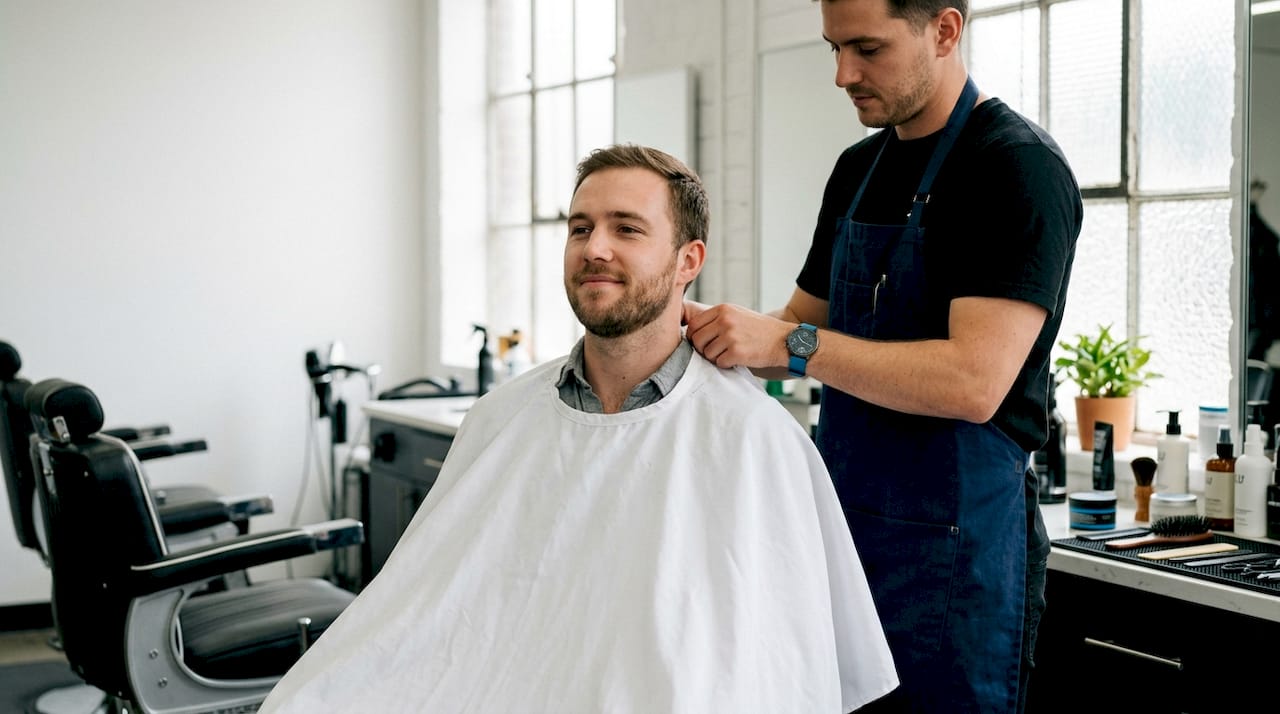
Once you’re seated, the environment continues to work on you. Spatial design that gives each client a sense of privacy makes it easier to describe exactly what you want, including the details you might skip in a crowded, rushed shop. That openness leads directly to better results.
Atmosphere also shapes personalized service delivery in ways that go beyond comfort. When clients feel relaxed and valued, they’re more receptive to styling suggestions, more likely to try a beard trim or a hot towel shave, and more willing to pay for the full experience. The environment doesn’t just set the mood; it actively influences what the visit becomes.
How has barbershop atmosphere evolved over time?
The early American barbershop was purely functional. A striped pole, a single chair, and a straight razor were the whole offer. The atmosphere, if you could call it that, was incidental: a few chairs, some conversation, and the smell of shaving soap.
The mid-20th century barbershop became a genuine community institution, particularly in Black American neighborhoods where shops served as social hubs, political forums, and safe spaces for men to speak freely. The atmosphere was built on relationship and trust, not design.
The shift toward intentional atmosphere design started in the 1990s and accelerated through the 2000s as men’s grooming became a recognized market. Shops began borrowing from hospitality design, adding leather seating, curated music, and branded products. By 2026, the modern barbershop is expected to function as a full sensory environment, and clients judge it accordingly.
What do iconic barbershop atmospheres actually look like?
The classic American barbershop atmosphere is built on red, white, and blue poles, chrome fixtures, and the sound of a baseball game on the radio. It signals tradition, familiarity, and no-nonsense craft.
The gentlemen’s lounge model, popularized in cities like New York and London, layers leather club chairs, dark wood paneling, jazz on low volume, and a whiskey or coffee offering during service. The message is exclusivity and ritual. Clients aren’t just getting a haircut; they’re stepping into a space designed around their identity as men.
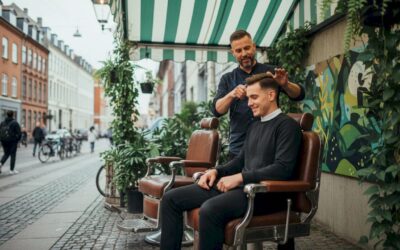
The modern urban barbershop takes a different angle: exposed brick, industrial lighting, bold graphic branding, and a playlist that runs from soul to hip-hop. It’s energetic and community-driven, drawing on the cultural roots of the barbershop as a gathering place. Grooming businesses like Awani Hair Braiding reflect a similar philosophy in their own service environment, centering the client experience around cultural identity and care.
Phillythebarber’s atmosphere sits at the intersection of these traditions: classic craft meets contemporary design, with a warmth that makes every visit feel personal.
Key Takeaways
Barbershop atmosphere is a multi-sensory system where design, scent, sound, temperature, and service style work together to shape how men feel, how they judge quality, and whether they come back.
| Point | Details |
|---|---|
| Atmosphere defines brand identity | The National Barbers Association calls atmosphere the strongest client takeaway from any brand encounter. |
| Scent drives emotional response | Lavender reduces anxiety; citrus increases alertness and masks chemical odors from grooming products. |
| Temperature affects relaxation | A comfortable shop temperature balances client comfort, avoiding extremes that cause tension or discomfort. |
| Spatial design builds trust | Adequate distance between chairs reduces the feeling of being observed, encouraging open style conversations. |
| Small details create luxury | Warm greetings, clean spaces, and easy online booking make clients feel valued without expensive renovations. |
Why atmosphere is the part most barbershops get wrong
Most shops treat atmosphere as decoration. They buy good chairs, paint the walls a strong color, and call it done. What they miss is coherence. A dark, moody color palette paired with fluorescent overhead lighting and a random Spotify playlist sends three different signals at once, and clients feel the contradiction even when they can’t articulate it.
The research is clear on this: sensory coherence, where scent, lighting, music, and color all point toward the same experience, multiplies positive client perception. Each element alone is additive. Together, they’re something else entirely.
What I’ve seen over 20 years behind the chair is that the shops clients remember aren’t always the most expensive or the most decorated. They’re the ones where everything felt intentional. The greeting matched the music. The scent matched the lighting. The barber’s attention matched the care that went into the space. That consistency is what turns a first visit into a regular appointment.
The quality signals that matter most to clients are rarely the ones that cost the most. A spotless mirror, a warm hello, a chair at the right temperature, and a barber who remembers your fade from last time. Those details are the atmosphere. Everything else is just furniture.