Common Haircut Mistakes Barbers Fix: Men’s Guide
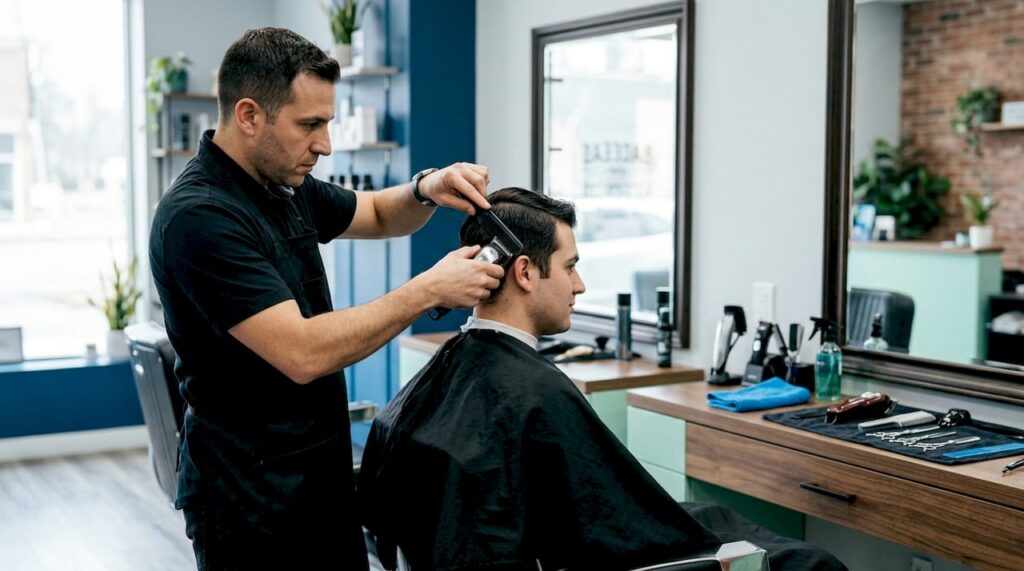
Common haircut mistakes barbers fix result primarily from poor communication and choosing styles that don’t suit your hair type or maintenance routine. Over 70% of “bad” haircuts stem from communication failures rather than technical errors. That’s a striking number. It means most men leave the chair disappointed not because their barber lacked skill, but because the conversation before the cut fell short. Skilled barbers correct these mistakes through re-blending, reshaping fades, and targeted consultations. Knowing what goes wrong, and why, puts you in control of every appointment.
1. Common haircut mistakes barbers fix: the communication breakdown
Poor communication is the single biggest cause of barber haircut errors. Vague requests like “just a trim” or “clean it up” leave too much open to interpretation. Your barber may take off half an inch while you expected a full inch, or vice versa.
Clients often misinterpret hair terminology, which makes photo references one of the most reliable tools in the chair. Showing a photo of the exact style you want removes ambiguity instantly. Specifying your maintenance preferences, how often you plan to visit, and how much time you spend styling each morning gives your barber the full picture.
When communication breaks down, barbers fix the result by re-shaping the cut, clarifying your preferences mid-appointment, and adjusting clipper guard sizes to match what you actually wanted. The correction takes longer than getting it right the first time. Learning to describe a haircut clearly before you sit down is the fastest way to avoid this situation entirely.
- Bring a photo of the style you want, front and side view if possible
- State the exact length you want on top, sides, and back
- Tell your barber how often you plan to come back for maintenance
- Mention any areas that grow unevenly or cause problems
Pro Tip: Write down two or three specific details about your ideal cut before your appointment. “Skin fade on the sides, two inches on top, textured finish” gives your barber a clear brief in under ten seconds.
2. Choosing a style that doesn’t match your hair type or face shape
Choosing a haircut that ignores hair texture and face shape is one of the most common sources of dissatisfaction. A high-contrast bald fade looks sharp on straight, dense hair. On fine or wavy hair, the same fade can look patchy within days. The style itself is not the problem. The mismatch is.
Face shape drives decisions about fade height and layering. A round face benefits from more volume on top and tighter sides, which creates the illusion of length. A longer face works better with lower fades and less height. Barbers factor these proportions into every cut, but only if you give them the chance to consult with you first.
Maintenance frequency matters just as much as face shape. High-contrast cuts like skin fades require a return visit every 2–3 weeks to stay sharp. Conservative styles like a classic taper can hold their shape for 4–6 weeks. Choosing a high-maintenance style when you only visit the barber once every two months is a setup for disappointment.
- Fine hair: avoid heavy, blunt cuts that expose thinning; ask for textured layers instead
- Curly or coily hair: request cuts that work with your natural pattern, not against it
- Thick hair: high fades and structured shapes hold well; avoid overly long tops that lose definition
- Oval face: most styles work; use this flexibility to try bolder cuts
Barbers correct style mismatches by adjusting fade heights, switching blending techniques, and recommending styles that suit your actual hair behavior. Understanding your own hair before you walk in makes that conversation faster and the result better.
3. Technical errors: dull tools, wrong guards, and poor blending
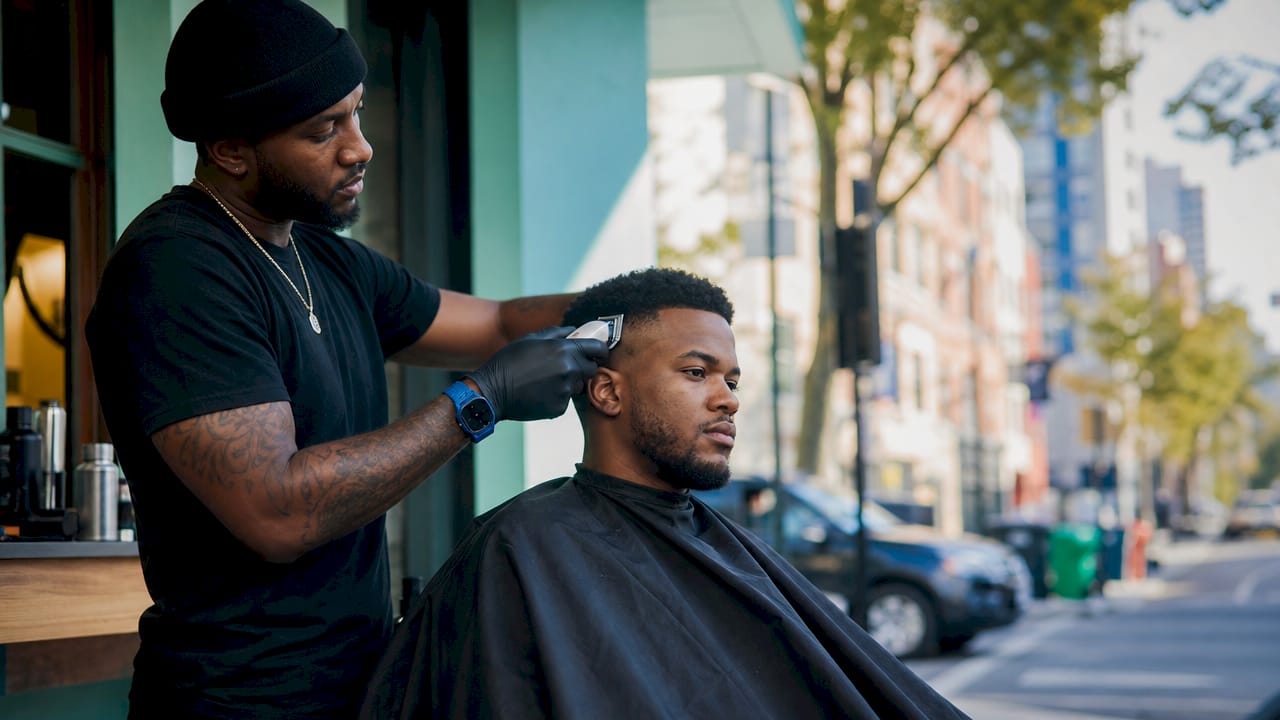
Dull shears and incorrect clipper guard sizes cause nearly 50% of preventable hair damage, including split ends that require cutting off extra length to fix. That damage is not always visible in the chair. It shows up days later when the hair starts to look frayed or uneven.
Incorrect pressure during clipping and skipped blending steps produce harsh lines between lengths. A fade that jumps from a 1 guard to a 3 guard without a 2 in between creates a visible shelf instead of a smooth gradient. These are fixable, but they require time and skill to correct without losing more length.
Barbers address technical errors through clean re-blending of transition zones, tapering fades with smaller guard increments, and trimming damaged ends. Re-blending transition zones is the most common corrective technique because it improves the overall look without cutting everything short.
Pro Tip: If your fade looks uneven right after the cut, ask your barber to check it under natural light before you leave. Barbershop lighting can hide blending issues that become obvious outside.
Proper tool maintenance prevents most of these problems. Sharp shears cut cleanly without pulling. Oiled, calibrated clippers hold their guard settings accurately. A professional clipper set built for precision work makes a measurable difference in the quality of every cut.
4. Styling and maintenance mistakes that ruin a good cut
Heavy product use stiffens hair and causes buildup, which makes a good cut look flat and dull. Pomades and waxes with strong hold are the most common culprits. They weigh hair down and mask the texture and movement that make a well-executed cut look alive.
Skipping trims is the other major maintenance mistake. A bald fade starts to blur after two weeks. A skin fade loses its definition even faster. When you wait too long between visits, the barber has to work harder to restore the original shape, and sometimes the only fix is a shorter cut than you wanted.
Incorrect blow drying and styling can hide or worsen cut quality. Drying hair flat against the scalp removes volume. Drying without direction causes frizz that obscures the cut’s lines. A haircut’s quality depends heavily on aftercare and styling technique alongside the cut itself.
- Switch to lightweight, matte-finish products that restore natural texture without buildup
- Use a medium-hold cream or paste for everyday styling instead of heavy wax
- Blow dry in the direction of your style, not just to remove moisture
- Book your next appointment before you leave the chair so maintenance stays on schedule
Barbers compensate for styling mistakes by recommending specific product types and grooming routines during the consultation. Checking out barber-recommended hair products before your next visit gives you a head start on protecting your cut between appointments.
5. What to do when you get a bad haircut
Getting a bad haircut feels frustrating, but the fix is almost always simpler than you think. The key is acting quickly and acting smart.
- Wait 3–5 days before panicking. A haircut often needs 3–5 days to settle as hair growth and natural oils normalize its shape. What looks uneven on day one frequently looks much better by day four.
- Book a professional correction within 7 days. Professional fixes within 7 days resolve about 80% of haircut unevenness without sacrificing much length. Early intervention is always better than waiting weeks.
- Skip the DIY fix. Home fixes with clippers or scissors almost always worsen the problem. You risk cutting unevenly, removing more length than needed, and creating new errors that are harder to correct.
- Ask for re-blending, not a full redo. Barbers rarely fix bad cuts by cutting everything short. They use blending and fade techniques that preserve length and improve the overall appearance. Ask specifically for re-blending rather than a complete restyle.
- Use styling to manage the grow-out period. Texture sprays, a different part, or a small amount of matte paste can disguise minor unevenness while the hair grows back to a correctable length.
The most important step is returning to a skilled barber promptly. Preparing well for that visit, knowing what to say and what to ask for, makes the correction faster and the result better. A solid barber visit preparation guide walks you through exactly what to bring and say.
Key takeaways
Most haircut mistakes are preventable with clear communication, the right style choice, and consistent maintenance between visits.
| Point | Details |
|---|---|
| Communication drives outcomes | Over 70% of bad haircuts come from poor communication, not technical failure. |
| Match style to hair type | Hair texture, density, and face shape must inform every style and fade decision. |
| Act fast on bad cuts | Professional correction within 7 days resolves most unevenness without major length loss. |
| Maintenance intervals matter | High-contrast fades need a return visit every 2–3 weeks; conservative styles hold for 4–6 weeks. |
| Aftercare protects the cut | Lightweight products and correct blow drying preserve cut quality between appointments. |
What 20 years in the chair taught me about fixing haircut mistakes
After more than two decades as a Master Barber, the pattern I see most often is this: men walk in knowing what they want but struggle to say it out loud. They point vaguely at the sides, say “not too short,” and hope for the best. Then they leave disappointed. The cut was not wrong. The conversation was.
The fix I reach for most is re-blending the transition zones. It is the least invasive correction and it works in the vast majority of cases. Men are always surprised that I can improve a cut significantly without taking off more length. That is the whole point. A skilled barber’s job is to make you look better, not to start over.
What I tell every client is this: bring a photo, tell me your maintenance schedule, and be honest about how much time you spend styling each morning. Those three pieces of information change everything. They let me tailor the fade height, the texture, and the overall shape to your actual life, not just the photo on your phone.
The clients who get the best results are the ones who treat the appointment as a conversation, not a transaction. They ask questions, give feedback, and come back on schedule. That consistency is what separates a good haircut from a great one. Trust the process, trust your barber, and invest five minutes in the consultation. It pays off every single time.
— Stephen
Your next great haircut starts before you sit down
Getting a consistently sharp haircut is not about luck. It is about preparation, communication, and the right tools in the right hands.
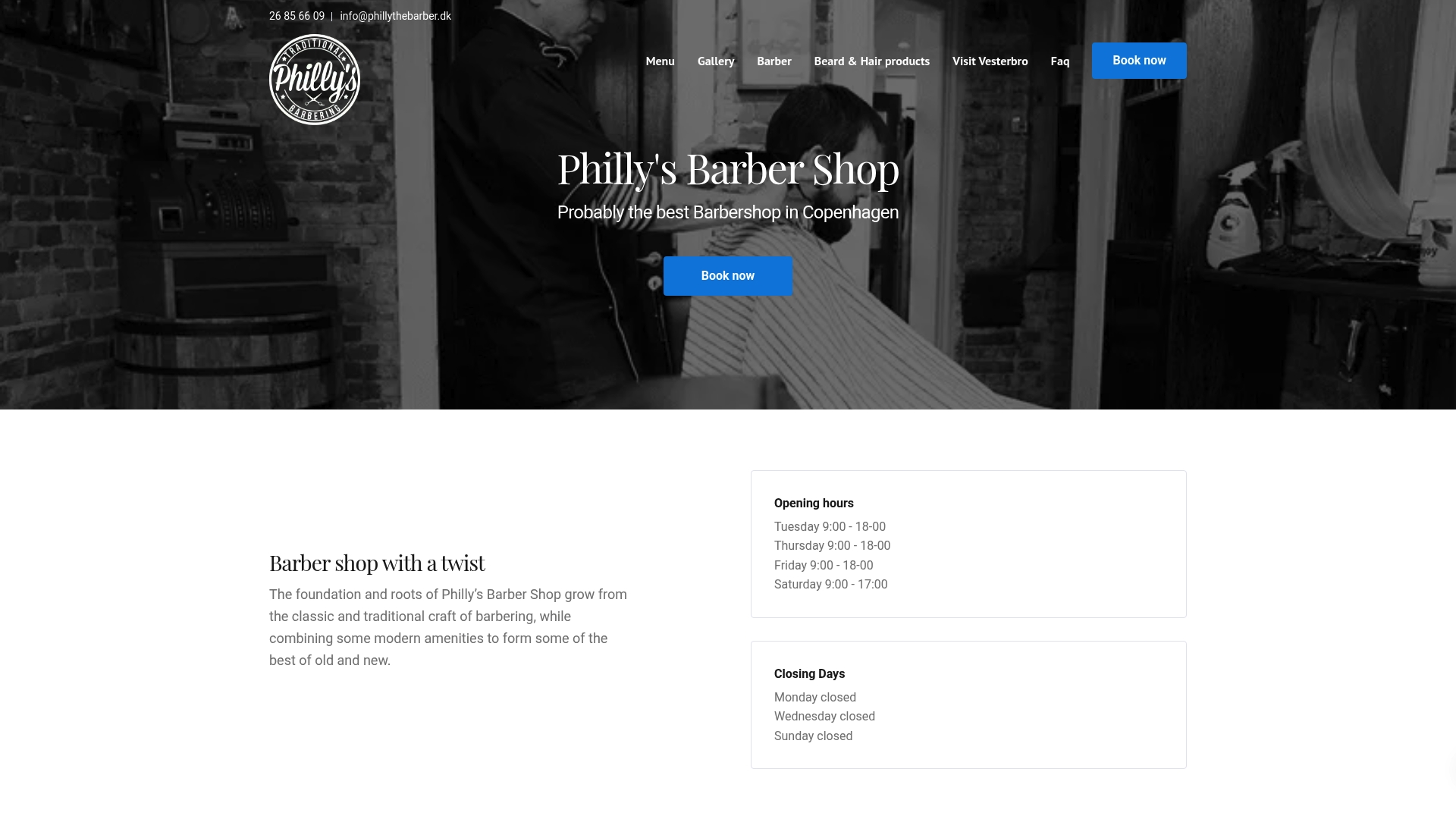
Phillythebarber has put together a practical barber visit preparation guide that walks you through exactly how to describe your style, set your maintenance expectations, and get the most out of every appointment. For barbers and serious grooming enthusiasts, the personalized barber flat top comb delivers the precision that separates a clean finish from a great one. Whether you are fixing a past mistake or building a better grooming routine, Phillythebarber has the resources to help you get there.
FAQ
What causes most bad haircuts?
Poor communication causes over 70% of bad haircuts, not technical mistakes. Using photo references and specifying your maintenance schedule dramatically improves results.
How soon should I get a bad haircut fixed?
Visit a professional within 7 days. Early correction resolves about 80% of unevenness without significant length loss.
Can barbers fix a bad fade without cutting more hair?
Yes. Barbers primarily use re-blending and tapering techniques to correct fades. These methods improve the transition zones without removing extra length.
How often should I get a fade touched up?
High-contrast fades need a visit every 2–3 weeks. Conservative tapers hold their shape for 4–6 weeks before the style starts to lose definition.
What products help maintain a haircut between visits?
Lightweight, matte-finish products preserve natural texture and mask minor blending issues better than heavy waxes or pomades. Ask your barber for a specific product recommendation based on your hair type.