Types of Fade Haircuts Explained: Your 2026 Style Guide
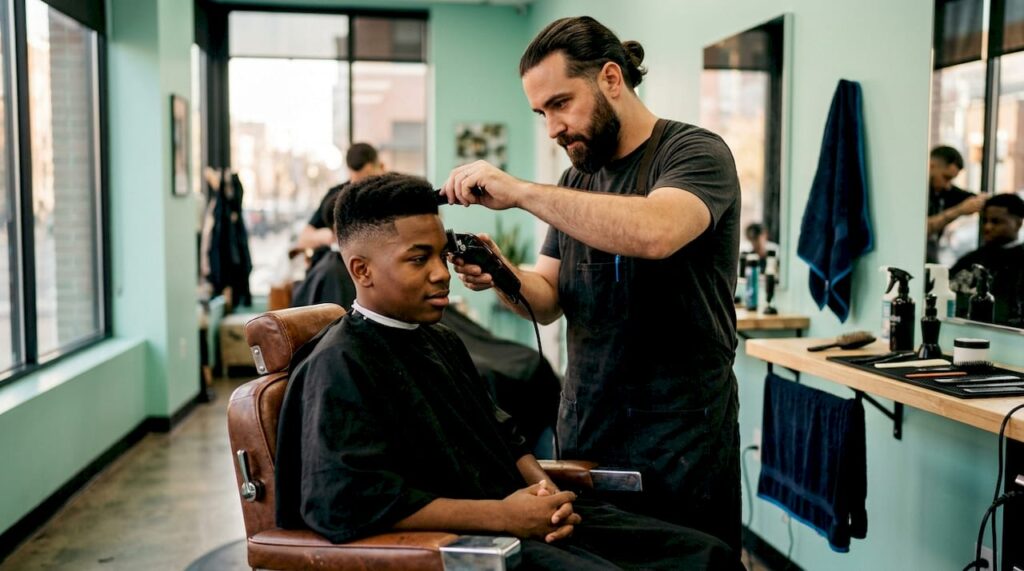
A fade haircut is defined as a gradual blending technique that transitions hair from longer on top to shorter or skin-level on the sides and back. Understanding the types of fade haircuts explained here will help you walk into any barbershop knowing exactly what to ask for. The main fade categories are low, mid, high, skin, taper, drop, burst, and temple. Each one creates a different silhouette, suits different face shapes, and demands a different maintenance schedule. Choosing the right one comes down to your hair texture, your lifestyle, and how sharp you want to look between visits.
1. What are the main types of fade haircuts?
A fade is not one haircut but a technique with customizable variables: fade height, fade length, fade contour, and top hair style all influence the final look. That means two men can both ask for a “fade” and leave the chair looking completely different. Knowing the core categories puts you in control of the result.
The three primary fade categories are defined by their starting height on the head:
- Low fade: Starts just above the ears. Creates a subtle, clean look that works well in professional settings. Barbers describe it as “subtle and professional.”
- Mid fade: Starts around the temple area, roughly halfway up the head. Hits the parietal ridge, which is the widest part of the skull.
- High fade: Starts near the crown, leaving very little hair on the sides. Creates a bold, high-contrast look.
Pro Tip: When you sit in the chair, point to where you want the fade to start rather than relying on words alone. Barbers respond faster to a finger on your head than to “medium high.”
2. What is a skin fade and how does it differ from a taper?
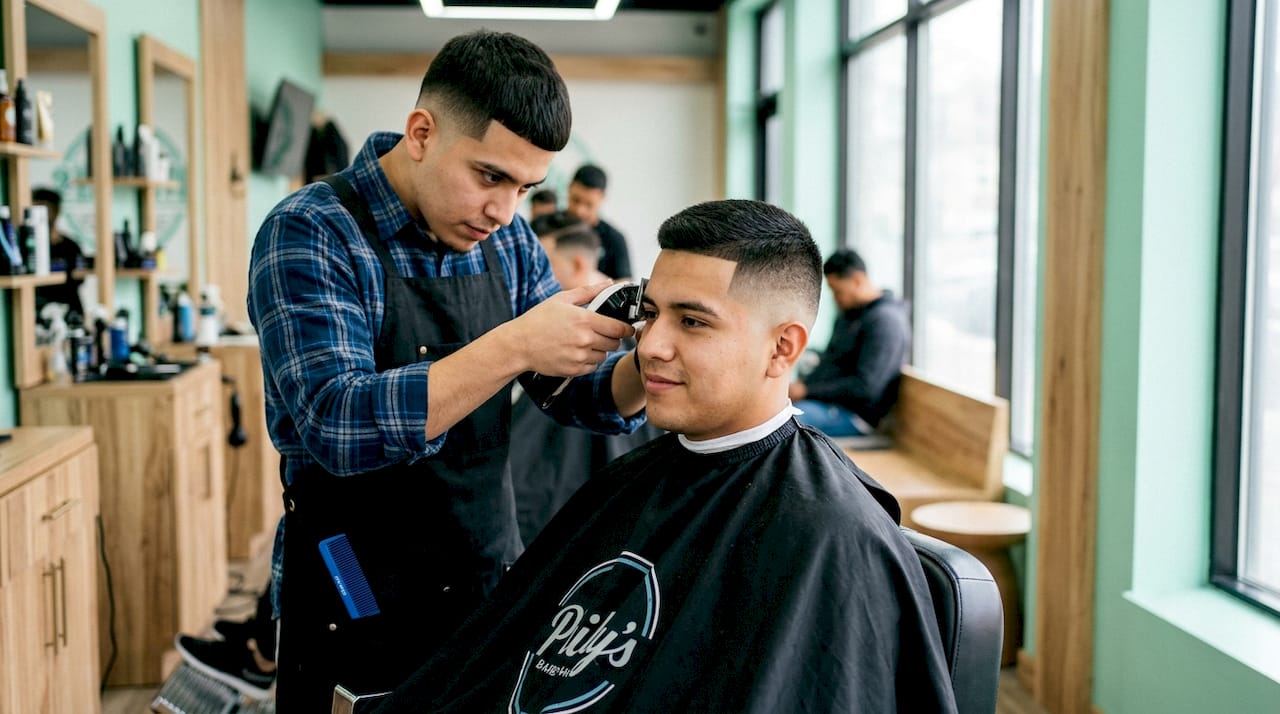
The skin fade, also called a bald fade, takes the sides all the way down to bare skin. The contrast between the top hair and the sides is dramatic and sharp. This style is one of the most requested cuts in barbershops right now.
A taper fade is a milder version. Barbers distinguish tapers as conservative fades that keep some hair length, typically a guard 2 or 3, rather than going all the way to skin. The result is a softer gradient that reads as polished without being aggressive. Tapers suit office environments and men who prefer a lower-maintenance look.
The practical difference matters for upkeep. Skin fades show regrowth against bare skin within days. Tapers grow out more gracefully and hold their shape longer. If you are new to fades, a taper is a lower-risk starting point.
3. What is the mid fade and why is it so popular?
The mid fade is often called the “Goldilocks” fade because it strikes the right balance between subtlety and dramatic contrast. It is the most versatile option in 2026 because it works with almost every top style, from a textured crop to a pompadour to a buzz cut.
The mid fade acts as a slimming contour by cutting hair short at the widest part of the head. That creates a visual narrowing effect on round or square faces. Men who are unsure which fade to choose almost always look good with a mid fade as their starting point.
4. What are specialized fade variations: drop, burst, and temple?
Beyond the three core heights, barbers offer several specialized fade shapes that change the contour of the fade line itself rather than just the height.
- Drop fade: The fade line curves behind the ear and drops toward the back of the head rather than running in a straight horizontal line. This creates a sculpted, dynamic shape. It pairs especially well with mohawks, mullets, and textured tops.
- Burst fade: The fade radiates outward in a semicircle around the ear. The result looks like a sunburst pattern on the side of the head. It works well with curly hair and afro-textured styles.
- Temple fade: Also called a Brooklyn fade, this is the most subtle of the three. It focuses only on the temples and hairline, leaving the sides relatively full. Men who want a clean edge without a dramatic contrast choose this style.
Each of these variations can be combined with a low, mid, or high starting height. A drop mid fade is a different cut from a drop high fade. Knowing the shape and the height separately gives you much more control over your final look.
5. How to choose a fade by face shape
Matching fade style with face shape improves overall appearance and prevents undesirable proportions. The fade height you choose changes the silhouette of your head, which either balances or exaggerates your natural face shape.
High fades sharpen round faces by creating an inverted triangle silhouette that draws the eye upward. Low fades suit longer faces by maintaining a balanced side profile and adding visual width. Square faces benefit from mid fades, which soften the jaw line without adding bulk to the sides.
| Face shape | Recommended fade | Why it works |
|---|---|---|
| Round | High fade | Adds height, slims the sides |
| Square | Mid fade | Softens jaw without widening sides |
| Oval | Any fade | Balanced proportions suit all heights |
| Long | Low fade | Adds width, balances length |
| Heart | Low or mid fade | Keeps sides fuller to balance narrow jaw |
Pro Tip: Bring a photo of the fade you want AND a photo of your face shape reference. A good barber will immediately see how to adapt the style to your specific head.
6. How to choose a fade by hair texture
Hair texture changes how a fade looks and how it behaves after the cut. Fine or thinning hair hides the scalp better with a taper because going to skin would expose too much scalp and create an uneven look. Coarse or thick hair contrasts well with a skin fade because the density makes the gradient look clean and defined.
Curly hair requires extra attention. Curly hair shrinks significantly when dry, which means a fade that looks right wet can appear much shorter once it dries. The best practice is to cut curly hair dry and leave slightly more length than you think you need. This avoids the surprise of a shorter-than-expected result. You can read more about managing curly fade results to understand how shrinkage affects your cut.
Wavy and coily hair both hold fade shapes well but benefit from a burst or drop fade because those contour shapes complement natural curl patterns. Straight fine hair looks cleanest with a low or mid taper rather than a skin fade.
7. What is the maintenance schedule for different fade types?
Fade maintenance is the part most men underestimate before committing to a style. The sharper the fade, the more often you need to visit the barbershop.
- Skin fade: Requires a barber visit every 2–3 weeks. Regrowth against bare skin is visible quickly, sometimes within 10–14 days. This is the highest-maintenance option.
- High fade: Needs a refresh every 3 weeks. The contrast is high, so growth shows fast even if it is not going to skin.
- Mid fade: Holds its shape for 3–4 weeks before the gradient starts to blur noticeably.
- Low fade: Lasts 4 weeks comfortably. The starting point is lower, so growth is less obvious.
- Taper fade: Lasts 4–5 weeks before the contrast becomes an issue. The most forgiving option for men with busy schedules.
Between visits, a quality pomade or matte clay on top keeps the style looking intentional even as the sides grow. Learning how to prepare for a barber visit also helps you get more out of each appointment and extend the life of your cut.
8. How to communicate your fade to your barber
Knowing the fade styles is only useful if you can translate that knowledge into clear instructions at the barbershop. Barbers use visual language like “subtle, professional” for low fades and “bold, high contrast” for high fades to help clients decide. Using that same language back at them speeds up the consultation.
The clearest approach is to name three things: the fade height (low, mid, or high), the fade type (skin, taper, drop, burst, or temple), and the top style you want. “Mid skin fade with a textured crop on top” gives your barber everything they need. If you are unsure how to phrase it, a guide on describing your haircut to your barber covers the exact terminology to use.
Showing a reference photo is always a good idea. Even experienced barbers prefer a visual over a verbal description because hair grows in different directions on every head.
Key takeaways
The right fade haircut depends on three factors working together: fade height, hair texture, and how often you can visit the barbershop.
| Point | Details |
|---|---|
| Fade height defines the look | Low fades are subtle, mid fades are balanced, and high fades are bold. |
| Skin fades need the most upkeep | Plan a barber visit every 2–3 weeks to keep a skin fade sharp. |
| Face shape guides your choice | High fades suit round faces; low fades balance long faces. |
| Hair texture changes the result | Fine hair suits tapers; thick or coarse hair suits skin fades. |
| Name all three variables | Tell your barber the height, the type, and the top style for a precise result. |
What I have learned after 20 years of cutting fades
Most men walk in asking for “a fade” without realizing how many decisions that leaves open. After two decades behind the chair, the clients who leave happiest are the ones who know at least the height they want before they sit down. Everything else we can figure out together.
The biggest mistake I see is men choosing a skin fade because it looks sharp on someone else, then skipping appointments because the upkeep is more than they expected. A taper fade that you maintain consistently will always look better than a skin fade that has grown out for five weeks. Honest grooming fits your actual schedule, not just your ideal one.
The second thing I have noticed is that men with curly or coily hair often leave disappointed because they did not account for shrinkage. If your hair curls when it dries, always ask your barber to cut it dry or to leave extra length. A fade that looks perfect wet can look a full inch shorter once you step outside.
My advice is to start with a mid fade if you are unsure. It is forgiving, it suits almost every face shape, and it grows out cleanly. Once you know how your hair behaves and how often you realistically visit the barbershop, you can move toward a skin fade or a drop fade with confidence. The goal is a cut that works for your life, not just for the day you leave the shop.
— Stephen
A sharp fade deserves a complete grooming routine
A well-executed fade is only part of the picture. The best-dressed men pair a clean fade with a well-groomed beard, and that combination is where the full effect comes together.
At Phillythebarber, Philly brings over 20 years of certified master barber experience to every appointment. Whether you want a low taper for the office or a high skin fade for a bold weekend look, the shop delivers precision cuts tailored to your hair type and face shape. Pair your fade with a professional beard trim service to complete the look. Book your appointment at Phillythebarber and walk out looking exactly the way you intended.
FAQ
What is a fade haircut?
A fade haircut is a barbering technique that gradually blends hair from longer on top to shorter or skin-level on the sides and back. The transition creates a clean, graduated look with no harsh lines.
What is the difference between a fade and a taper?
A taper keeps some hair length on the sides, typically a guard 2 or 3, while a fade goes shorter and often all the way to bare skin. Tapers are more conservative and last longer between visits.
Which fade haircut is easiest to maintain?
A taper fade is the easiest to maintain, lasting 4–5 weeks before regrowth becomes noticeable. Skin fades require the most upkeep, needing a touch-up every 2–3 weeks.
What fade suits a round face?
A high fade suits a round face best because it creates height and draws the eye upward, producing a slimmer, more defined silhouette.
How do I tell my barber what fade I want?
Name the fade height (low, mid, or high), the fade type (skin, taper, drop, burst, or temple), and your preferred top style. Bringing a reference photo alongside that description gives your barber everything needed for a precise cut.